



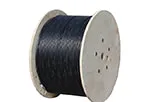
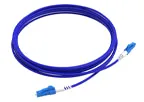
In today’s rapidly evolving digital landscape, high-speed data transmission has become a cornerstone of modern communication. From enterprise networks to telecommunications infrastructure and data centers, the demand for reliable, efficient, and scalable connectivity solutions continues to grow. Among the most critical components enabling this technological advancement is the 24 fibre optic cable. Designed to support multiple data channels simultaneously, this type of cable plays a pivotal role in ensuring seamless data flow across various applications. With its ability to transmit large volumes of information over long distances with minimal signal loss, the 24 fibre optic cable has emerged as a preferred choice for industries requiring robust network performance.
A 24 fibre optic cable consists of 24 individual optical fibres bundled together within a single protective sheath. Each fibre is capable of carrying data using pulses of light, allowing for extremely high bandwidth and low latency. These cables are typically constructed using either single-mode or multi-mode fibres, depending on the specific application requirements. Single-mode fibres are ideal for long-distance transmissions, such as those used in telecom networks and undersea cables, while multi-mode fibres are better suited for shorter distances, commonly found in data centers and local area networks (LANs). The 24 fibre optic cable strikes an optimal balance between capacity and manageability, making it suitable for both backbone installations and horizontal cabling systems.
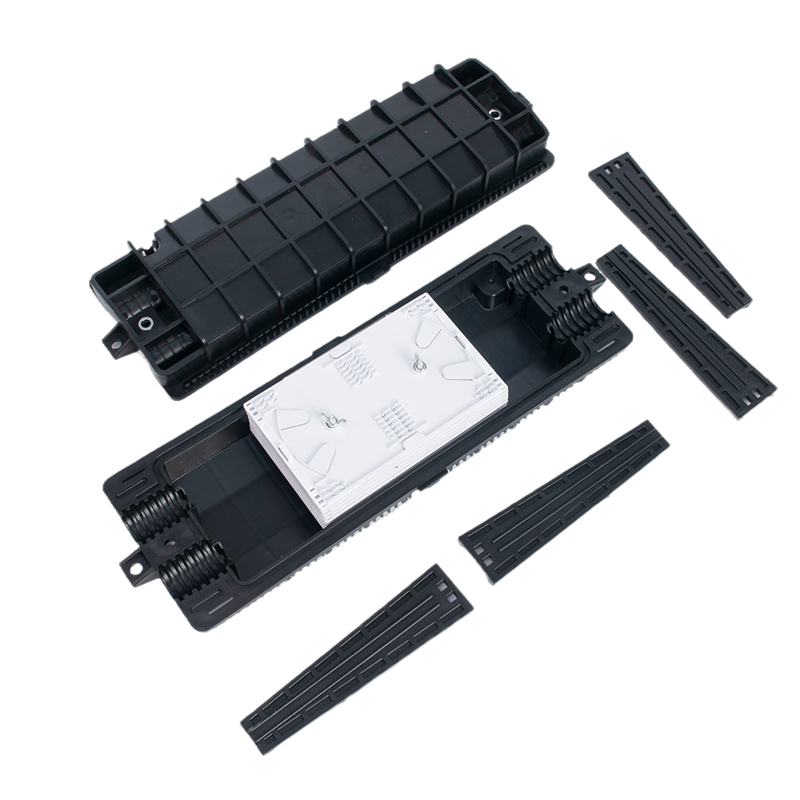
One of the primary advantages of the 24 fibre optic cable is its scalability. In environments where future expansion is anticipated—such as growing corporate campuses or expanding cloud service providers—having additional fibres readily available eliminates the need for frequent re-cabling. This foresight not only reduces downtime but also lowers long-term operational costs. Furthermore, the compact design of a 24 fibre cable allows for easier installation in tight conduits and crowded pathways, offering flexibility without sacrificing performance. Its standardized configuration also ensures compatibility with a wide range of networking equipment, including patch panels, splice enclosures, and transceivers.
Durability is another key attribute that sets the 24 fibre optic cable apart. Protected by layers of strength members, moisture barriers, and rugged outer jackets, these cables are engineered to withstand harsh environmental conditions. Whether deployed indoors, outdoors, aerially, or underground, they maintain signal integrity even under mechanical stress, temperature fluctuations, and exposure to moisture. For instance, outdoor-rated 24 fibre optic cables often feature armored construction or gel-filled tubes to prevent water ingress—a critical consideration in regions prone to heavy rainfall or flooding.

The deployment of a 24 fibre optic cable is particularly beneficial in data center environments. As businesses increasingly rely on cloud computing, big data analytics, and real-time collaboration tools, data centers must handle exponentially growing traffic loads. A 24 fibre setup enables efficient interconnection between servers, switches, and storage units, supporting high-density configurations and facilitating rapid data exchange. Moreover, structured cabling using 24 fibre trunks simplifies network management and enhances troubleshooting capabilities, reducing the risk of human error during maintenance or upgrades.
Telecommunications providers also heavily depend on 24 fibre optic cables to deliver broadband services, mobile backhaul, and fiber-to-the-home (FTTH) connectivity. By deploying these cables along utility poles or underground ducts, carriers can efficiently distribute signals to multiple endpoints from a central hub. The 24 fibre count provides ample room for redundancy and future service expansion, ensuring network reliability and adaptability. In metropolitan areas, where space is at a premium, the compact nature of 24 fibre cables allows for more efficient use of existing infrastructure, minimizing disruption during installation.
Another notable application of the 24 fibre optic cable lies in industrial automation and smart city projects. Factories equipped with Internet of Things (IoT) sensors, surveillance systems, and automated machinery require stable and secure communication links. The immunity of fibre optics to electromagnetic interference (EMI) makes them ideal for use in electrically noisy environments, such as manufacturing plants or power substations. Similarly, in smart cities, 24 fibre cables connect traffic control systems, public Wi-Fi hotspots, and security cameras, forming the backbone of intelligent urban infrastructure.
When selecting a 24 fibre optic cable, quality and consistency are paramount. Substandard products may suffer from poor attenuation, inconsistent refractive index, or inadequate protection, leading to signal degradation and increased maintenance costs. That’s why choosing a reputable brand is essential. Among the leading manufacturers in the industry, OWIRE stands out for its commitment to innovation, durability, and performance. OWIRE’s 24 fibre optic cables are engineered to meet international standards, including ITU-T G.652.D for single-mode fibres and ISO/IEC 11801 for structured cabling. Their products undergo rigorous testing for tensile strength, crush resistance, and thermal stability, ensuring reliability in diverse operating conditions.
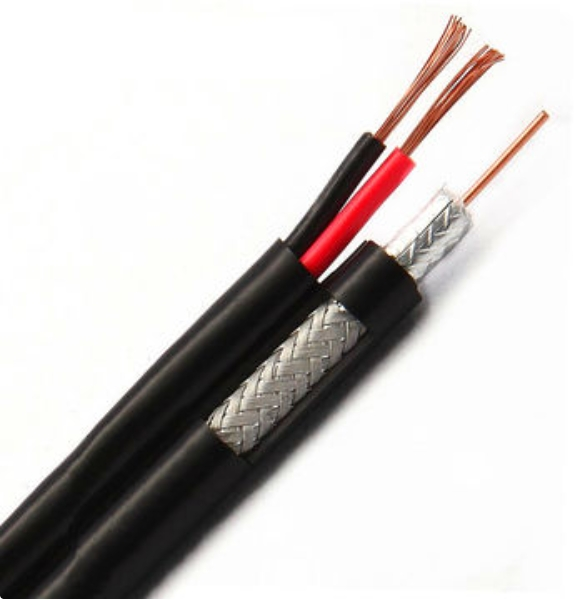
OWIRE offers a comprehensive range of 24 fibre optic cables tailored to different deployment scenarios. For indoor use, their tight-buffered cables provide excellent flexibility and flame retardancy, complying with fire safety codes such as OFNR or LSZH. For outdoor installations, OWIRE’s loose-tube designs incorporate water-blocking tapes and corrugated steel armor for maximum protection against environmental hazards. Additionally, the company provides hybrid variants that combine fibre with copper conductors, enabling simultaneous data and power transmission—an ideal solution for remote antennas or CCTV systems.
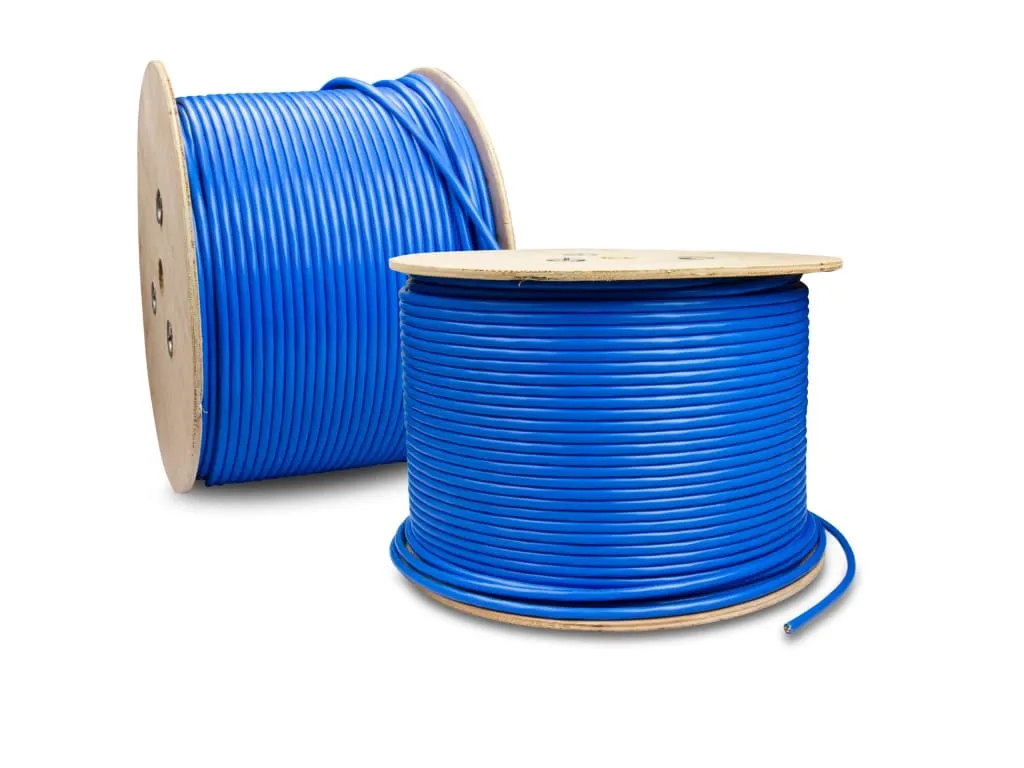
What truly distinguishes OWIRE is its focus on customer support and technical expertise. The company provides detailed installation guides, compatibility charts, and responsive technical assistance to ensure smooth integration into existing networks. They also offer custom-length spools and connectorization options, reducing waste and installation time. For large-scale projects, OWIRE supports bulk procurement with consistent batch quality, which is crucial for maintaining uniform performance across extensive networks.
Installation best practices further enhance the effectiveness of any 24 fibre optic cable system. Proper handling, bending radius adherence, and cleanliness during termination are critical to avoiding micro-cracks or contamination that could impair signal transmission. Technicians should use fusion splicers with high precision and conduct thorough OTDR (Optical Time Domain Reflectometer) testing after installation to verify link integrity. Labeling each fibre clearly according to TIA-606 standards also aids in future maintenance and troubleshooting.
Looking ahead, the role of the 24 fibre optic cable is expected to expand alongside advancements in 5G, edge computing, and artificial intelligence. As networks become denser and more distributed, having a dependable medium like fibre will be indispensable. The 24 fibre configuration, in particular, is likely to remain a standard workhorse due to its versatility and cost-effectiveness. Emerging technologies such as wavelength division multiplexing (WDM) will further increase the data-carrying capacity of each fibre, maximizing the return on investment for installed cable plants.
In conclusion, the 24 fibre optic cable represents a vital component of modern communication infrastructure. Its combination of high capacity, durability, and flexibility makes it suitable for a wide array of applications—from enterprise networks and data centers to telecommunications and smart city deployments. As digital transformation accelerates across industries, investing in high-quality cabling solutions becomes increasingly important. For organizations seeking reliability, performance, and long-term value, OWIRE delivers a superior range of 24 fibre optic cables backed by engineering excellence and customer-centric service. Choosing OWIRE means building a network foundation that is not only ready for today’s demands but also prepared for the challenges of tomorrow.