
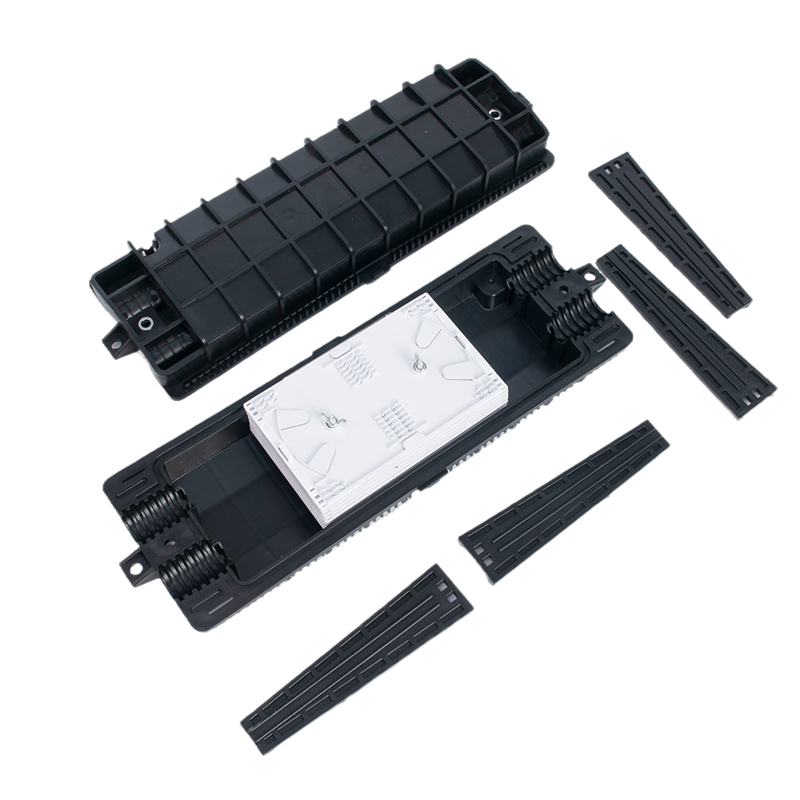
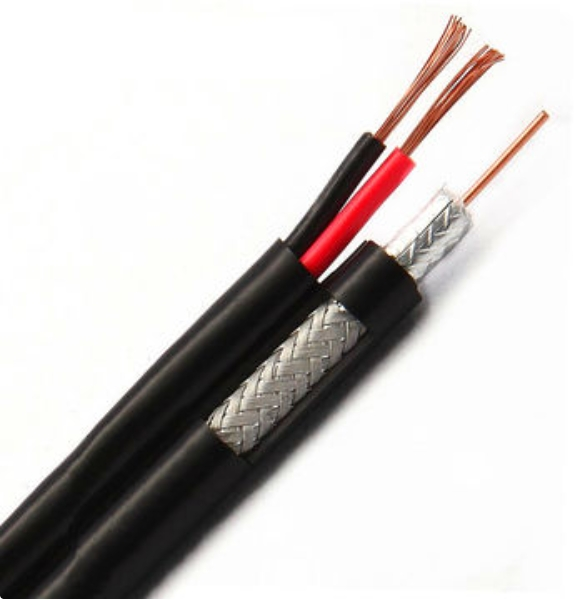
No, not all optical cables are of the same quality. The performance and reliability of fiber optic cables can vary significantly based on several factors, including the materials used, the manufacturing process, the type of fiber, and specific design features. Let’s explore the key factors that determine the quality of optical cables:
In conclusion, the quality of fiber optic cables varies based on the type of fiber, materials, manufacturing processes, and specific use cases. For businesses and industries requiring reliable, high-speed communication, it’s essential to choose high-quality cables that meet your specific needs. OWIRE offers a wide range of certified, high-performance fiber optic cables suitable for diverse applications, ensuring durability, speed, and cost-effectiveness.
1. Type of Fiber
There are two primary types of optical fiber—single-mode and multi-mode—and their quality depends on the intended use.- Single-Mode Fiber (SMF):
- Designed for long-distance communication, single-mode fibers have a smaller core and are optimized for laser light transmission.
- These offer higher quality for long-range applications like telecommunications and internet backbones, providing minimal signal loss over distances of up to 100 kilometers or more.
- Multi-Mode Fiber (MMF):
- Multi-mode fibers have a larger core and are designed for shorter distances, typically within buildings or data centers.
- While they’re more cost-effective for short-range communication, their quality can vary in terms of bandwidth and distance limitations.
2. Core and Cladding Materials
The materials used in the core and cladding of the fiber optic cable can affect signal transmission quality:- Glass Fiber: High-quality optical cables are usually made with pure silica glass in the core, which offers better light transmission and less attenuation.
- Plastic Fiber: Some lower-quality or budget cables use plastic optical fiber (POF), which is generally less efficient and has a shorter range, suitable for very specific and less demanding applications.
3. Coating and Protection
The protective layers surrounding the optical fibers also impact the durability and overall performance of the cable:- Buffer Coating: High-quality fiber optic cables have durable buffer coatings that protect the core from environmental factors such as moisture, temperature changes, and physical stress.
- Armored Cables: In harsher environments (e.g., underground or industrial areas), cables with extra protection like armored coatings provide better durability and resistance to damage.
4. Manufacturing Standards
Optical cables manufactured according to strict industry standards and certifications—such as ISO 9001:2015, ইউএল, FCC, CE, and ROHS—tend to be of higher quality. These certifications ensure that the cables meet performance, safety, and environmental guidelines.At OWIRE, we adhere to the highest manufacturing standards to produce top-quality optical cables. Our cables are rigorously tested and certified to meet international standards, ensuring reliable performance across a wide range of applications.5. Signal Loss (Attenuation) and Bandwidth
High-quality fiber optic cables have low attenuation, meaning less signal loss over long distances. Poor-quality cables may suffer from higher attenuation rates, leading to degraded signal quality, lower bandwidth, and a reduced capacity to carry large amounts of data.- Insertion Loss and Return Loss: Cables with low insertion loss and high return loss (as discussed earlier) are indicators of better quality. These factors are important for evaluating how much of the signal is retained and efficiently transmitted.
6. Environmental Suitability
The quality of optical cables can also vary depending on the conditions in which they are used:- Indoor vs. Outdoor Cables: Outdoor cables often come with additional protection against environmental factors like UV radiation, extreme temperatures, and water ingress. High-quality outdoor cables are designed to withstand these conditions better than standard indoor cables.
- Specialty Cables: Certain environments, such as undersea or military installations, require specialty optical cables that are built for extreme conditions. These are generally higher quality and more expensive due to their advanced construction and materials.
7. Cost vs. Quality
While it might be tempting to opt for cheaper fiber optic cables, the cost can be a reflection of the quality. Lower-cost cables may use inferior materials, have poor manufacturing standards, and result in degraded performance over time. Investing in high-quality cables ensures better performance, longevity, and reduced maintenance costs in the long run.In conclusion, the quality of fiber optic cables varies based on the type of fiber, materials, manufacturing processes, and specific use cases. For businesses and industries requiring reliable, high-speed communication, it’s essential to choose high-quality cables that meet your specific needs. OWIRE offers a wide range of certified, high-performance fiber optic cables suitable for diverse applications, ensuring durability, speed, and cost-effectiveness.