

Finding a break in a fiber optic cable can be challenging but is essential for maintaining a stable network. Here’s a guide to identifying the location of a break in a fiber optic cable, including the tools and techniques needed for accurate diagnosis.
1. Common Indicators of a Cable Break
- Signal Loss or Interruption: If data transmission is interrupted, it could indicate a break or severe bend.
- Physical Damage: Check if there’s any visible damage along the cable length, especially in areas subject to wear or environmental exposure.
2. Tools for Locating a Break in Fiber Optic Cable
- Visual Fault Locator (VFL): A low-cost tool that emits a visible red laser light through the fiber. If there is a break, the light will escape at the breakage point, making it visible.
- Optical Time Domain Reflectometer (OTDR): An OTDR is the most effective tool for locating breaks in long-distance cables. It sends pulses of light through the cable and measures the backscattered signal to pinpoint the exact location of a fault or break.
- Fiber Optic Power Meter and Light Source: This combination tests for loss in fiber continuity and helps determine if the issue is due to a break or just signal degradation.
3. Step-by-Step Guide to Finding a Break
Using a Visual Fault Locator (VFL)
- Connect the VFL to the Fiber: Attach the VFL to one end of the fiber cable.
- Turn on the VFL: The red laser light will travel down the cable.
- Inspect the Cable: Slowly move along the length of the cable. When the red light leaks out at a particular point, you’ve found the location of the break or damage.
- Limitations: VFLs are typically effective only over short distances (up to a few kilometers) and are best suited for short or indoor cables.
Using an Optical Time Domain Reflectometer (OTDR)
- Set Up the OTDR: Connect the OTDR to one end of the fiber. Enter the cable specifications, including fiber length and type, into the OTDR device for accurate results.
- Run a Test Pulse: The OTDR sends a light pulse through the fiber and analyzes the backscattered signal.
- Interpret the Results: The OTDR generates a trace that shows signal reflection points. A spike or drop in the trace indicates a fault or break, along with the distance to that point.
- Keuntungan: OTDRs are accurate for both short and long distances and provide exact locations, making them ideal for long fiber optic cables, such as those in large outdoor networks.
Using a Power Meter and Light Source
- Connect the Light Source: Connect a stable light source to one end of the cable.
- Measure at the Other End: At the other end, connect the power meter to measure the amount of light that passes through.
- Analyze the Results: If the signal is significantly lower than expected, there may be a break or severe bend in the cable. By testing segment-by-segment, you can narrow down the location of the fault.
4. Physical Inspection for Outdoor Cables
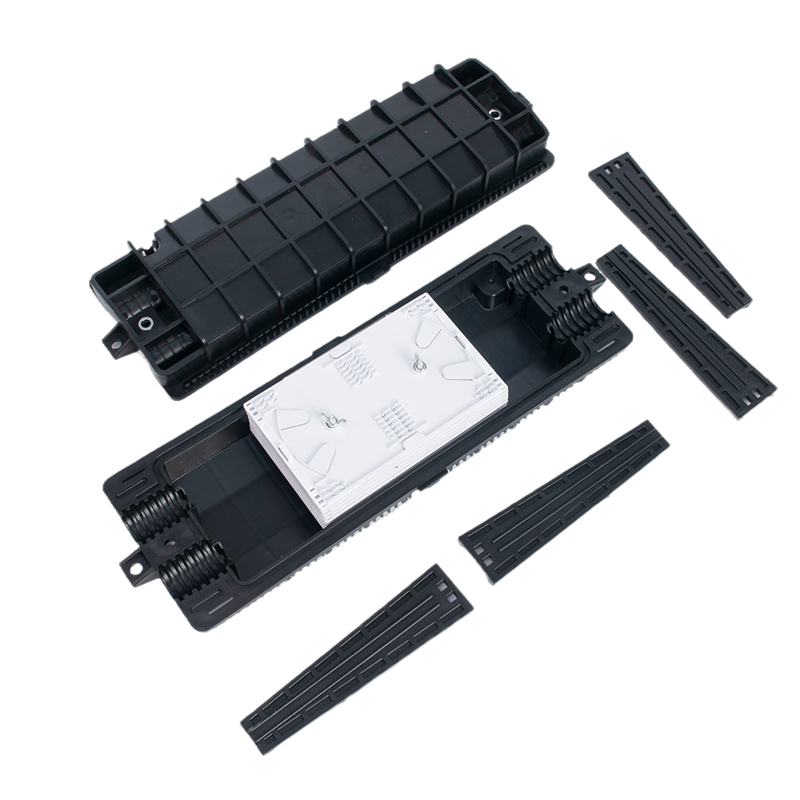
For outdoor installations, physical damage can often be caused by environmental factors or accidental impacts. Check the following:- Junction Boxes and Connectors: Loose or damaged connectors could be the issue.
- Areas Prone to Pressure: Cables laid underground or along walls may be pinched or cut by external forces.