



In today’s interconnected world, network cables play a crucial role in establishing reliable and efficient communication between devices. Whether you’re setting up a home network or managing a large-scale enterprise infrastructure, understanding the different types of network cables and their uses is essential. This article aims to provide a comprehensive overview of network cables, their functionalities, and how they contribute to seamless data transmission.
Types of Network Cables:
Ethernet Cables
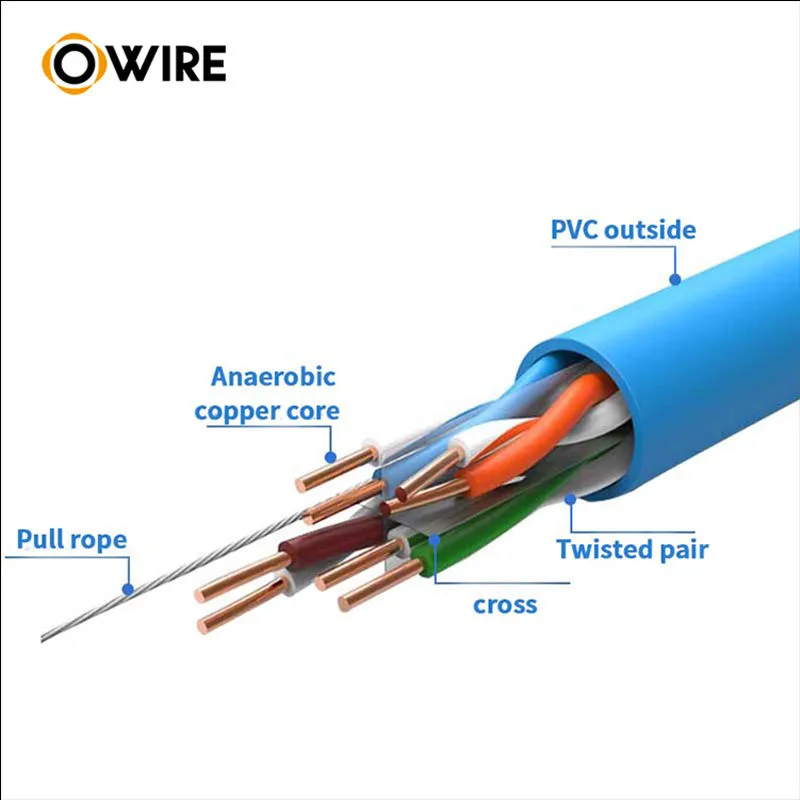
Ethernet cables are the most commonly used network cables for wired connections. They come various categories, each designed for specific purposes.Category 5e (Cat5e) Cable: Cat5e cables support data transfer speeds of up to 1000 Mbps and are suitable for most home and small office networks. They are cost-effective and widely available, making them an excellent choice for basic internet connectivity.Category 6 (Cat6) Cable: Cat6 cables offer improved performance compared to Cat5e cables. With higher bandwidth capabilities and reduced crosstalk, Cat6 cables can handle data transfer speeds of up 10 Gbps. They are ideal for demanding applications such video streaming and online gaming.Category 6a (6a) Cable: Cat6a cables are an enhanced version of Cat6 cables, capable of supporting even higher data transfer speeds and longer cable lengths. They are often used in professional settings where high-speed and reliable connections are critical, such as data centers and server rooms.