


In today’s rapidly evolving digital landscape, the demand for high-speed data transmission has never been greater. From enterprise networks to smart city infrastructure, reliable connectivity is foundational to modern operations. One of the most critical components enabling this seamless communication is fiber optic cable technology. Among the various types available, the 4c fiber optic cable stands out for its balance of performance, durability, and scalability. Designed with four individual optical fibers, this cable type supports a wide range of applications, including telecommunications, data centers, security systems, and industrial automation. Its compact design and efficient signal-carrying capacity make it ideal for both indoor and outdoor installations where space and reliability are key considerations.
The “4c” in 4c fiber optic cable refers to the four core fibers housed within a single protective jacket. Each core functions as an independent channel for transmitting data via pulses of light, allowing for massive bandwidth and minimal signal loss over long distances. These cables typically use single-mode or multimode fiber depending on the application. Single-mode variants are preferred for long-haul connections due to their ability to carry signals over tens of kilometers with little attenuation, while multimode versions are often used in shorter-distance scenarios such as within buildings or campus environments. The 4c configuration provides flexibility—two fibers can be dedicated to transmitting data while the other two serve as backups or support bidirectional communication, ensuring redundancy and network resilience.
One of the primary advantages of the 4c fiber optic cable is its versatility. It can be deployed in aerial, duct, or direct-burial installations, adapting to diverse environmental conditions. The outer sheath is usually constructed from UV-resistant, flame-retardant materials like LSZH (Low Smoke Zero Halogen) or PE (Polyethylene), protecting the internal fibers from moisture, temperature fluctuations, and physical stress. Many models also include aramid yarn or fiberglass rods for added tensile strength, making them suitable for challenging terrains and high-traffic areas. This ruggedness ensures long-term performance even in harsh industrial settings or outdoor deployments exposed to weather extremes.
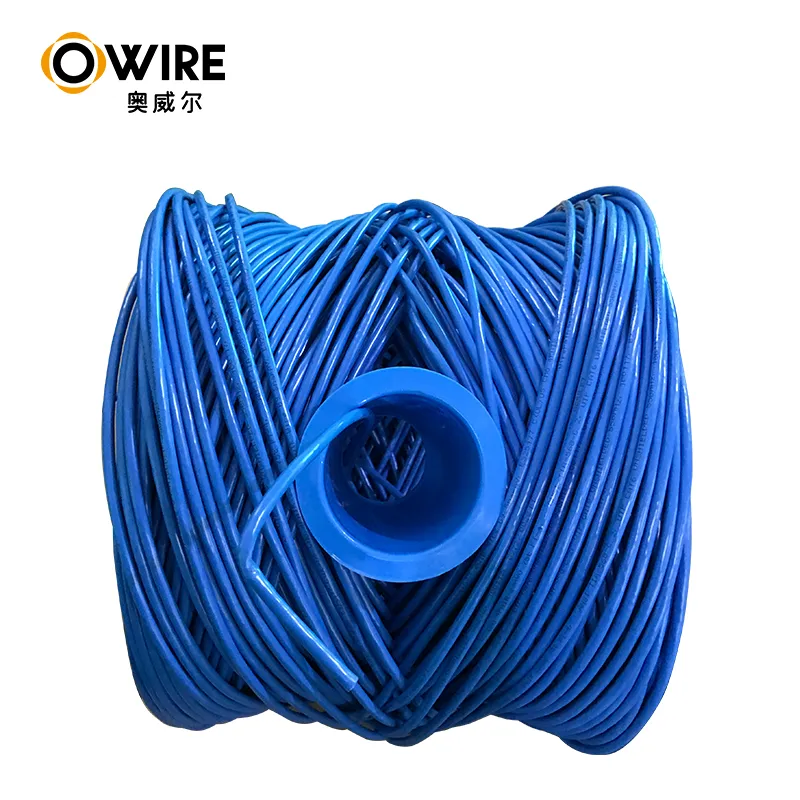
Another significant benefit lies in the cable’s scalability. As businesses grow and network demands increase, having multiple fibers readily available eliminates the need for frequent cable replacements. With two spare fibers built into the 4c configuration, future expansion becomes seamless. For example, a company might initially use only two fibers for connecting surveillance cameras across a facility. Later, when upgrading to a higher-capacity network or adding IoT devices, the remaining two fibers can be activated without any new cabling work. This forward-thinking design reduces downtime, labor costs, and infrastructure complexity.
Signal integrity is another area where the 4c fiber optic cable excels. Unlike copper-based cables that are susceptible to electromagnetic interference (EMI) and radio frequency interference (RFI), fiber optics transmit data using light, rendering them immune to such disruptions. This makes them particularly valuable in environments with heavy machinery, power lines, or medical equipment where EMI could compromise data accuracy. Additionally, fiber optic cables offer much higher bandwidth potential—capable of supporting speeds from 1 Gbps up to 100 Gbps or more—making them future-proof solutions for next-generation networks.
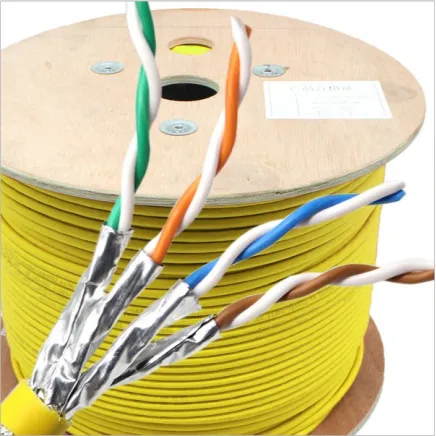
Security is also enhanced with fiber optic technology. Because they do not emit electrical signals, tapping into a fiber cable without detection is extremely difficult. Any attempt to physically intercept the signal typically causes noticeable light loss, triggering alarms in monitoring systems. This inherent security feature makes the 4c fiber optic cable a preferred choice for government institutions, financial organizations, and any entity handling sensitive information.
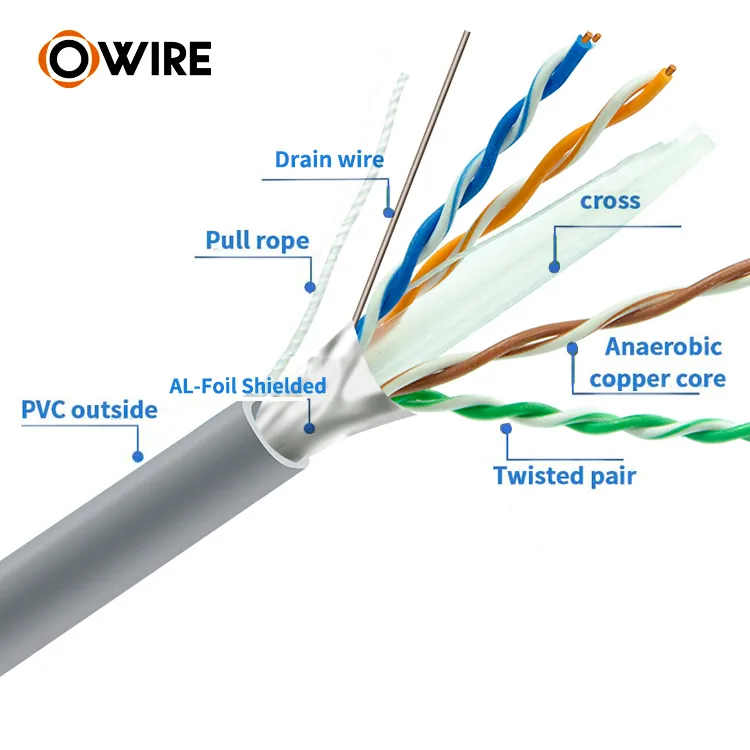
When selecting a 4c fiber optic cable, quality and reliability should be top priorities. Not all cables perform equally under real-world conditions, and substandard products may suffer from micro-bending losses, inconsistent attenuation, or poor jacket durability. That’s why choosing a trusted manufacturer is crucial. Among the leading brands in the industry, OWIRE has established a strong reputation for producing high-performance fiber optic solutions tailored to diverse technical requirements.
OWIRE’s 4c fiber optic cables are engineered to meet international standards, including ITU-T G.652.D for single-mode fibers and ISO/IEC 11801 compliance for structured cabling systems. Their products undergo rigorous testing for tensile strength, crush resistance, temperature tolerance, and optical performance. Whether you’re deploying in a data center, industrial plant, or urban surveillance network, OWIRE offers 4c cables designed to deliver consistent, low-latency connectivity. The company provides both single-mode and multimode options, allowing customers to select the best fit based on distance, bandwidth needs, and budget.
What sets OWIRE apart is its commitment to innovation and customer support. The brand integrates advanced manufacturing techniques such as tight-buffered construction and precision fiber alignment to minimize insertion loss and maximize signal clarity. Their cables are also optimized for easy installation, featuring ripcords, clear color coding, and lightweight jackets that simplify handling and termination. For large-scale projects, OWIRE offers customized lengths and labeling options, reducing waste and streamlining deployment timelines.
Moreover, OWIRE places a strong emphasis on sustainability. Their LSZH-jacketed 4c fiber optic cables produce minimal smoke and no toxic halogens when exposed to fire, enhancing safety in enclosed spaces like offices, hospitals, and public transit systems. This eco-conscious approach aligns with global trends toward greener infrastructure and responsible sourcing.
Installation best practices further enhance the performance of a 4c fiber optic cable. Technicians should avoid sharp bends—maintaining a minimum bend radius of 10 to 15 times the cable diameter—to prevent micro-cracks in the glass fibers. Proper cleaning of connectors before mating is essential to avoid contamination-related signal loss. Fusion splicing or mechanical splicing methods should be used by certified professionals to ensure low-loss, high-reliability joints. Regular inspection using OTDR (Optical Time Domain Reflectometer) tools helps identify faults or degradation early, preserving network uptime.
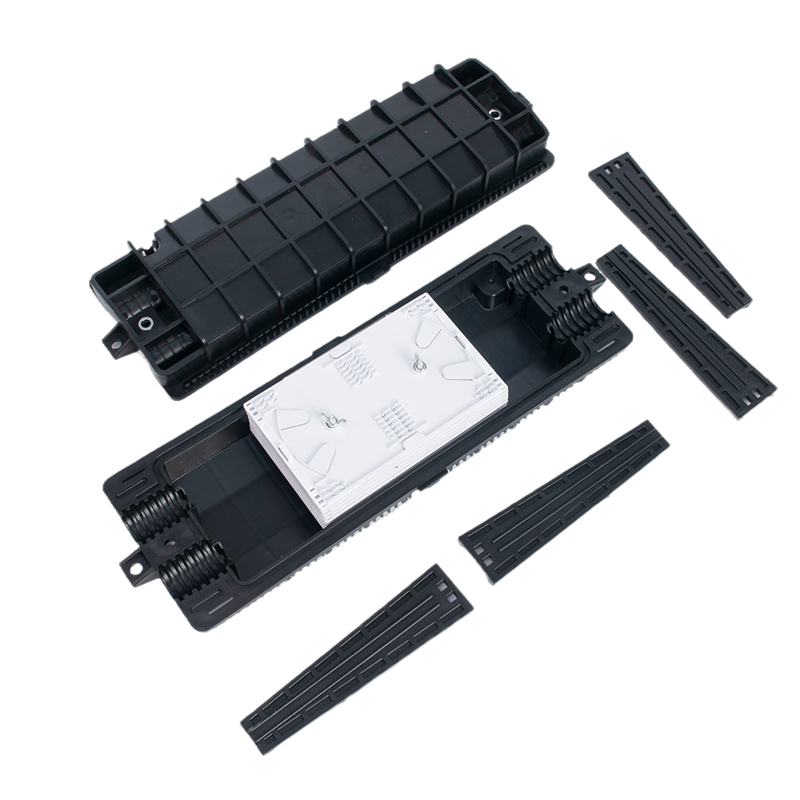
Maintenance is relatively straightforward thanks to the passive nature of fiber optics—no moving parts, no power requirements. However, periodic checks of patch panels, splice enclosures, and connector ends help sustain optimal performance. Labeling each fiber clearly during installation simplifies troubleshooting and future upgrades. In outdoor settings, inspecting for rodent damage, water ingress, or UV degradation every few years can prevent unexpected failures.
Looking ahead, the role of fiber optic technology will only expand. Emerging technologies such as 5G backhaul, cloud computing, edge data centers, and AI-driven analytics rely heavily on high-speed, low-latency connections. The 4c fiber optic cable, with its proven reliability and adaptability, is well-positioned to support these advancements. As cities become smarter and industries embrace digital transformation, robust cabling infrastructure will remain a cornerstone of progress.
For businesses and municipalities planning long-term network investments, selecting the right cable partner is as important as choosing the right technology. OWIRE not only delivers superior 4c fiber optic cables but also provides technical guidance, warranty support, and compatibility with a wide range of networking hardware. Their global distribution network ensures timely delivery, while local technical teams assist with project planning and implementation.
In conclusion, the 4c fiber optic cable represents a smart, scalable solution for modern connectivity challenges. Its four-fiber design offers redundancy, future readiness, and excellent performance across varied environments. Whether supporting high-definition video feeds, real-time data processing, or secure communications, this cable type meets the demands of today’s digital ecosystems. When paired with a reputable brand like OWIRE, users gain access to durable, high-quality products backed by innovation and service excellence. As the world continues to connect at unprecedented speeds, investing in reliable fiber infrastructure isn’t just an option—it’s a necessity. Choosing the right 4c fiber optic cable from a trusted provider ensures networks remain fast, secure, and ready for whatever comes next.