





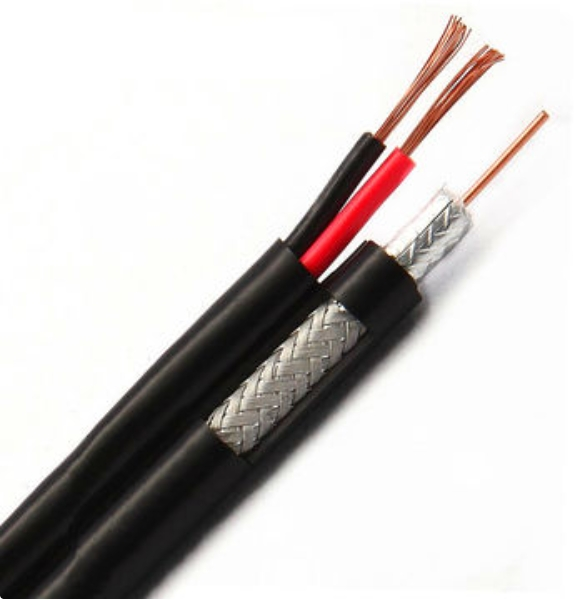
Fiber optic cables, traditionally known for their role in providing high-speed internet, are now being harnessed to enhance railroad safety through a technology known as distributed acoustic sensing (DAS). This innovative approach utilizes the extensive network of fiber optic cables to detect and analyze vibrations, offering unprecedented detail in monitoring and ensuring the integrity of railway tracks. Stretching thousands of miles underground, fiber optic cables are proving to be more than just conduits for data. When vibrations from above-ground activities disturb the light traveling through these cables, sophisticated equipment can interpret these disturbances to pinpoint their source and timing. This burgeoning technique, DAS, has shown remarkable sensitivity, capable of monitoring everything from volcanic eruptions to the movements of insects.Scientists are now exploring the use of DAS in railroads. The vibrations caused by a passing train can be closely monitored, with any sudden changes potentially indicating issues such as track cracks or dislodged ties. This technology also has the potential to detect more gradual changes, such as track misalignment, which could signal developing faults.Fiber optic cables, already present alongside many railways for signaling and telecommunications, make this application particularly cost-effective. “You’re utilizing the already available facilities and infrastructure, which can reduce the cost,” says Hossein Taheri, an engineer studying DAS for railroads at Georgia Southern University.To utilize DAS, an interrogator device sends laser pulses through the fiber optic cables and analyzes the light that bounces back. This method allows for precise pinpointing of disturbances, such as a rock hitting the track, down to within 30 feet. By building a vibration profile of a healthy railway, deviations can be detected early, much like an EKG monitors the heart.Daniel Pyke, a rail expert at Sensonic, explains, “We profile the track, looking for changes in the acoustic signature. If it’s changing, that needs someone to go and fix it before it becomes a problem.”One significant challenge is the sheer volume of data generated by DAS, necessitating the use of machine learning to manage and interpret it. “The files you generate are huge, so you’re going to have to use machine learning to automate it,” says David Milne, a research engineer at the University of Southampton.Sensonic has developed AI models trained on real railway data to identify events like rockfalls, ensuring that alerts sent to operators are concise and accurate. “The machine learning and AI models used to identify these events are continually refined to improve both their sensitivity and to reduce false alarms,” adds Pyke.Looking AheadWhile DAS is still in its early stages of application in railroads, the potential benefits for safety and operational efficiency are significant. “Distributed acoustic sensing is one area that suppliers and carriers are exploring to see if it can meaningfully advance safety goals,” says Jessica Kahanek, spokesperson for the Association of American Railroads.As this technology continues to evolve, its ability to “hear” and analyze disturbances will likely lead to broader applications, providing a new level of safety and insight for infrastructure monitoring across various industries.
 Stretching thousands of miles underground, fiber optic cables are proving to be more than just conduits for data. When vibrations from above-ground activities disturb the light traveling through these cables, sophisticated equipment can interpret these disturbances to pinpoint their source and timing. This burgeoning technique, DAS, has shown remarkable sensitivity, capable of monitoring everything from volcanic eruptions to the movements of insects.Scientists are now exploring the use of DAS in railroads. The vibrations caused by a passing train can be closely monitored, with any sudden changes potentially indicating issues such as track cracks or dislodged ties. This technology also has the potential to detect more gradual changes, such as track misalignment, which could signal developing faults.Fiber optic cables, already present alongside many railways for signaling and telecommunications, make this application particularly cost-effective. “You’re utilizing the already available facilities and infrastructure, which can reduce the cost,” says Hossein Taheri, an engineer studying DAS for railroads at Georgia Southern University.To utilize DAS, an interrogator device sends laser pulses through the fiber optic cables and analyzes the light that bounces back. This method allows for precise pinpointing of disturbances, such as a rock hitting the track, down to within 30 feet. By building a vibration profile of a healthy railway, deviations can be detected early, much like an EKG monitors the heart.Daniel Pyke, a rail expert at Sensonic, explains, “We profile the track, looking for changes in the acoustic signature. If it’s changing, that needs someone to go and fix it before it becomes a problem.”One significant challenge is the sheer volume of data generated by DAS, necessitating the use of machine learning to manage and interpret it. “The files you generate are huge, so you’re going to have to use machine learning to automate it,” says David Milne, a research engineer at the University of Southampton.Sensonic has developed AI models trained on real railway data to identify events like rockfalls, ensuring that alerts sent to operators are concise and accurate. “The machine learning and AI models used to identify these events are continually refined to improve both their sensitivity and to reduce false alarms,” adds Pyke.Looking AheadWhile DAS is still in its early stages of application in railroads, the potential benefits for safety and operational efficiency are significant. “Distributed acoustic sensing is one area that suppliers and carriers are exploring to see if it can meaningfully advance safety goals,” says Jessica Kahanek, spokesperson for the Association of American Railroads.As this technology continues to evolve, its ability to “hear” and analyze disturbances will likely lead to broader applications, providing a new level of safety and insight for infrastructure monitoring across various industries.