


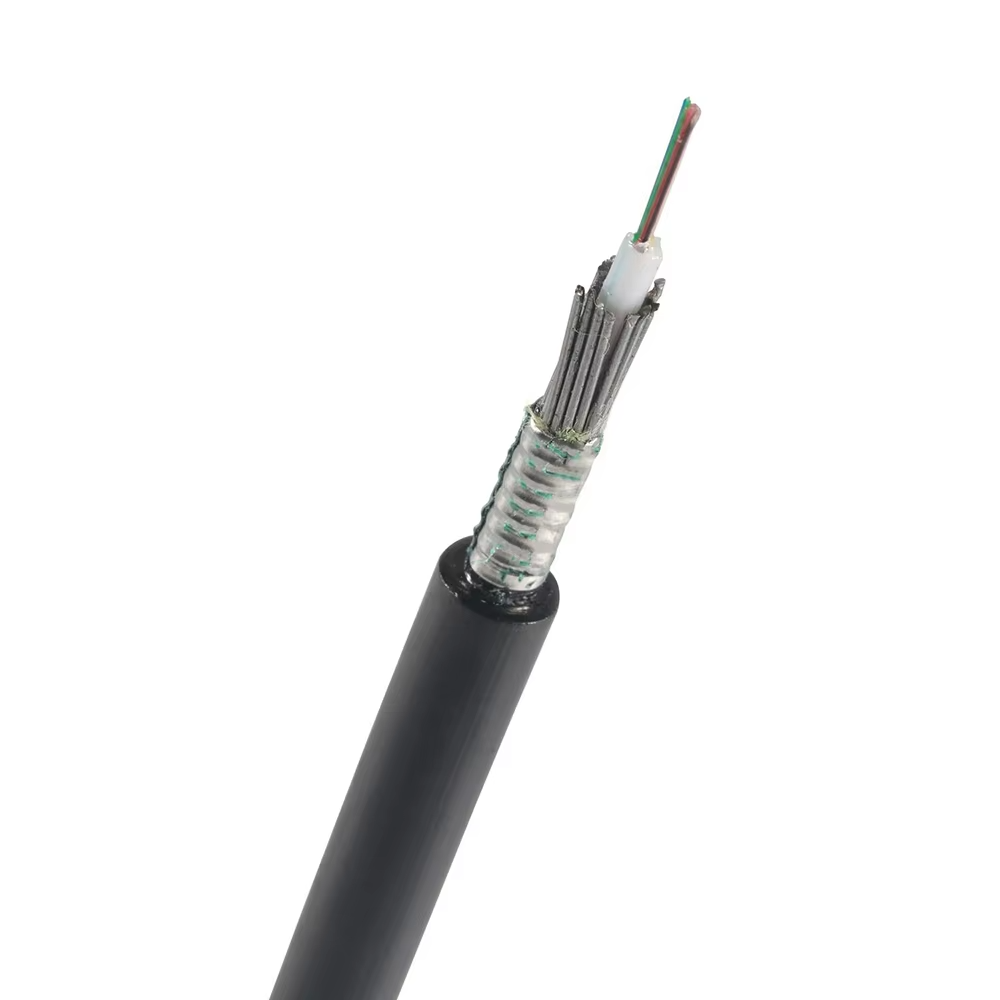
Armored fiber optic cable for grain silo temperature monitoring station monitoring networks
To source armored fiber optic cable for grain silo temperature monitoring station monitoring networks, first define the operating conditions, the interfaces and the evidence needed to approve a representative sample. Map pulling sections, wet zones, vibration and termination enclosures. Specify fiber count, armor and jacket and compare reel attenuation records with completed-link tests. The relevant offering is network and fiber optic cables; suitability depends on the selected configuration and the buyer’s acceptance requirements. Use the product information to shortlist an option, then ask for confirmation against the project specification before committing to recurring supply.
Define a repeatable stock configuration
Group demand by functional configuration before setting stocking quantities. Products that look alike can require different interfaces, labels or accessories. Build a clear stock record containing the approved specification and the customers it can serve. Keep exceptional project versions separate from the regular replenishment range so that warehouse staff do not substitute them by appearance.
Ask how the supplier identifies production revisions and replacement compatibility. A small initial order can establish the receiving checks, packing format and technical information needed for resale. Review whether your service team can identify the correct item from the label and support the first installation. Use actual demand and replacement experience to set reorder levels; an attractive bulk discount is not enough to justify carrying an unqualified configuration.
Receiving evidence for repeat stock orders
Request conductor/fiber verification, attenuation or electrical testing, jacket and marking checks, fire rating documentation, reel/packing inspection, batch traceability as applicable to the offered configuration. These are checks to agree with the supplier, not a statement that a particular batch has already passed. Match each requested record to the relevant purchase requirement and ask how the delivered lot will be identified.
Before shipment, review the packing arrangement and included accessories against the order. At receiving, check identification, visible condition and the agreed critical features. Record discrepancies with photographs and the affected lot reference so that the supplier can investigate the exact delivery. Keep unresolved deviations open until the authorized approver accepts the proposed disposition.
Where this configuration belongs
Best for: teams buying network and fiber optic cables against a defined industrial application and a documented acceptance requirement. Suitable for: EPC contractors, network integrators, electrical distributors, security installers, telecom and infrastructure procurement teams. A trial order is useful when the working conditions or interfaces still need validation.
Not suitable for: a purchase based only on appearance, an undocumented substitution or an application outside the confirmed operating limits. Individual retail inquiries without a technical requirement are unlikely to provide enough information for a project quotation. Confirm the specific model before making performance or compliance commitments to an end customer.
Qualify the first stocking configuration
Consider a buyer evaluating armored fiber optic cable for grain silo temperature monitoring station monitoring networks. This is a planning scenario, not a reported customer result. Map pulling sections, wet zones, vibration and termination enclosures. Specify fiber count, armor and jacket and compare reel attenuation records with completed-link tests. Keep a record of the starting condition and the proposed acceptance limit. The trial should produce a clear approval, rejection or request for additional information.
If the sample needs a change, state which requirement it failed and update the controlled specification before requesting another sample. Retain the accepted sample identity, test setup and approval date. These records help the next buyer, installer or receiving inspector understand what was agreed without repeating the qualification work.
SKU limits and compatibility checks
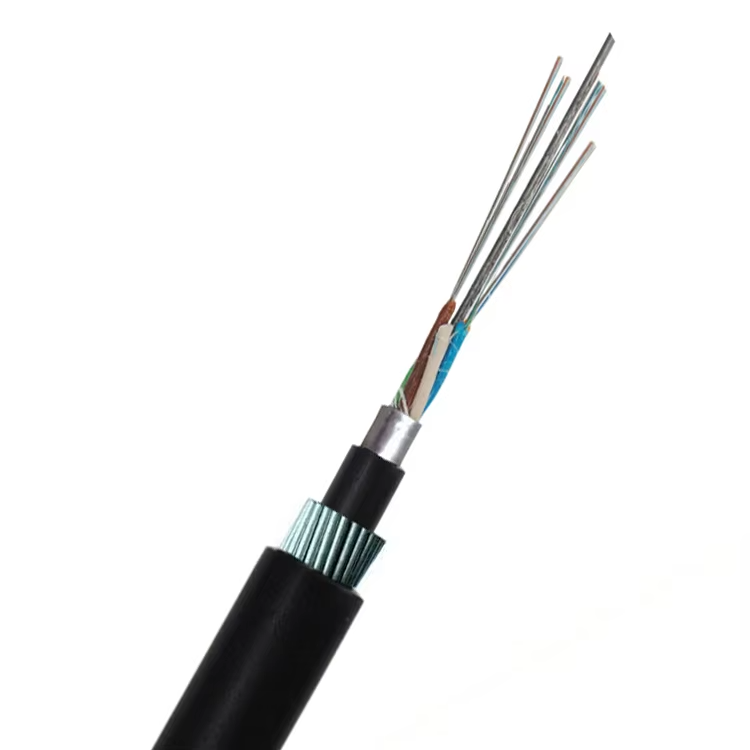
For armored fiber optic cable for grain silo temperature monitoring station monitoring networks, establish cable structure, fiber/conductor specification, core count, shielding, jacket, tensile strength, installation environment, fire rating, test standard, reel length, quantity. Enter required values in the RFQ and distinguish them from supplier-proposed values. Where a limit is not yet known, identify the test or project input needed to close it; leaving an empty field is better than turning an assumption into a requirement.
| Buyer need | Recommended product | Key specification | Mengapa ia penting |
| Application fit | network and fiber optic cables | cable structure, fiber/conductor specification, core count | Establishes the basic comparison boundary |
| Interface approval | Application-matched network and fiber optic cables | shielding, jacket, tensile strength | Reduces installation and qualification uncertainty |
| Repeat supply | Approved network and fiber optic cables configuration | installation environment, fire rating, test standard, reel length, quantity | Keeps later deliveries tied to the accepted scope |
Can one stock item cover every customer application?
Only where the approved operating limits and interfaces overlap. Keep a documented compatibility boundary and route exceptions through technical review. A single broad catalog description should not conceal different installation needs, inspection requirements or replacement parts.
Questions before ordering
What information makes the first quotation useful?
Provide the application, quantity, destination and required delivery date together with cable structure, fiber/conductor specification, core count. Attach the relevant drawing, layout or operating record. Identify any mandatory acceptance limit and name the person who can answer technical questions. Ask the supplier to return assumptions and exclusions with the offer so the commercial team can compare the same scope.
How should the proposed configuration be approved?
Bandingkan dengan keadaan operasi sebenar dan bukannya nama produk sahaja. Semak perisai, jaket, kekuatan tegangan dan jelaskan sebarang maklumat antara muka yang hilang. Gunakan sampel atau percubaan yang representatif di mana keputusan tidak dapat ditentukan daripada dokumentasi sedia ada. Catatkan konfigurasi yang diluluskan dan bukti penerimaan bersama-sama; perubahan kemudian hendaklah disemak terhadap rekod itu sebelum pesanan ulangan dikeluarkan.
Bukti kualiti manakah yang harus disertakan dengan perintah itu?
Minta rekod yang berkaitan dengan konfigurasi yang dipilih, termasuk pengesahan konduktor/gentian, pengecilan atau ujian elektrik, jaket dan pemeriksaan tanda. Setuju saiz sampel, kaedah penerimaan dan semakan dokumen sebelum pengeluaran. Risalah am atau laporan yang tidak berkaitan tidak menetapkan bahawa kumpulan yang dihantar memenuhi spesifikasi pembelian. Semasa menerima, sambungkan dokumen yang dibekalkan kepada pengenalan lot dan periksa ciri yang mengawal kesesuaian aplikasi.
Bolehkah pembungkusan atau butiran projek disesuaikan?
Serahkan perubahan label, pembungkusan, antara muka atau dokumentasi yang diminta dengan pertanyaan. Minta pembekal mengesahkan kebolehlaksanaan, kuantiti pesanan dan kesan ke atas kelulusan atau penghantaran sebelum menganggap permintaan sebagai disertakan. Simpan perubahan yang diterima dalam spesifikasi pesanan terkawal. Untuk bekalan berulang, tentukan cara versi tersuai akan dikenal pasti dan cara penggantian akan dibezakan daripada item standard.
Bilakah tarikh penghantaran boleh disahkan?
Request a schedule tied to specification approval, sample acceptance and the agreed commercial terms. Separate production completion from shipment and arrival at the destination. State any installation deadline and receiving constraints, then ask the supplier to identify dependencies. No fixed lead time is established by this selection guide; the quotation needs to confirm the schedule for the actual configuration and quantity.
RFQ details and approval responsibilities
Provide the target customer applications, proposed stock configurations, first order and forecast demand. Include carton labels, resale documentation, replacement identification and the receiving checks needed for repeat shipments.
- What is the intended application and which operating condition is most demanding?
- What trial quantity and first production quantity are needed?
- Which measurements decide acceptance, and who approves the result?
- What destination, packing format and arrival date must the offer cover?
- Which customization, documentation or replacement requirements are mandatory?
Request a channel supply and replenishment offer
Contact the project team with the completed requirement package. Include cable structure, fiber/conductor specification, core count, shielding and the planned order quantity. Ask for the offered configuration, deviations, relevant inspection evidence and a schedule tied to approval. Review the product range and company website when preparing the inquiry.