

**Understanding the 144 Core Fiber Optic Cable Cost and What Influences It**
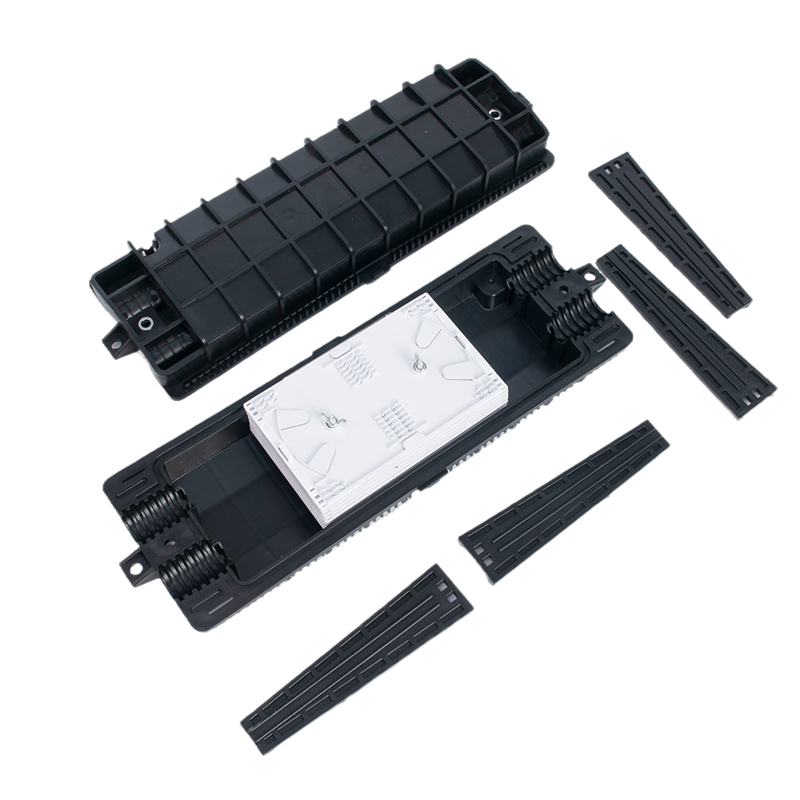
When planning large-scale telecommunications or data infrastructure, one of the most critical components to consider is the fiber optic cable. Among the various options available in the market, the **144 core fiber optic cable cost** has become a common point of discussion for network engineers, telecom providers, and IT project managers. This type of cable is widely used in backbone networks, data centers, and metropolitan area networks due to its high capacity and scalability.
The **144 core fiber optic cable cost** can vary significantly depending on several factors, including the cable’s construction, the type of fiber used, the manufacturer, and the region where it is purchased. Understanding these variables can help buyers make informed decisions and ensure they get the best value for their investment.
### Key Factors Affecting 144 Core Fiber Optic Cable Cost
1. **Fiber Type and Quality**
The type of fiber used in a 144 core cable plays a major role in determining the price. Common types include single-mode (SMF) and multi-mode (MMF) fibers. Single-mode fibers are typically more expensive due to their ability to transmit data over longer distances with minimal signal loss. Within the single-mode category, newer standards like G.657A or G.657B offer improved bend resistance and are often priced higher than standard G.652D fibers.
2. **Cable Construction**
The construction of the fiber optic cable also influences the **144 core fiber optic cable cost**. There are two main types of cable structures: loose tube and tight buffered. Loose tube cables are more suitable for outdoor installations and harsh environmental conditions, while tight buffered cables are typically used indoors. The inclusion of armor, water-blocking materials, and UV-resistant jackets can also increase the cost.
3. **Brand and Manufacturing Standards**
Reputable brands like OWIRE ensure high-quality manufacturing, strict compliance with international standards (such as ITU-T and IEC), and consistent performance. While cheaper alternatives may offer lower prices, they often compromise on durability, signal integrity, and long-term reliability. Investing in a trusted brand like OWIRE can save costs in the long run by reducing maintenance and replacement needs.
4. **Length and Customization**
The total length of the cable required for a project directly affects the overall cost. Additionally, customizations such as color coding, labeling, or special jacket materials (e.g., LSZH – Low Smoke Zero Halogen) can add to the final price. These custom features are often necessary for compliance with fire safety regulations or for ease of identification in complex installations.
5. **Region and Distribution Channels**
Prices can vary depending on the country or region due to import duties, local taxes, and transportation costs. In some markets, purchasing directly from the manufacturer or an authorized distributor can significantly reduce costs compared to buying through resellers or local vendors who may add a markup.
### Average Cost Range for 144 Core Fiber Optic Cables
On average, the **144 core fiber optic cable cost** ranges from $2 to $6 per meter for standard single-mode cables without additional features. However, this price can go up to $10–$15 per meter when factoring in armored jackets, LSZH materials, or enhanced fiber specifications. For large-scale deployments, bulk pricing is often available, which can reduce the per-meter cost significantly.
It’s also important to consider the total cost of ownership, which includes installation, testing, and potential future upgrades. High-quality cables may have a higher upfront cost but can provide better performance and longer service life, ultimately offering better value.
### Why Choose OWIRE for 144 Core Fiber Optic Cables?
When it comes to selecting a reliable supplier, OWIRE stands out as a leading brand in the fiber optic industry. Known for its commitment to quality, innovation, and customer satisfaction, OWIRE offers a comprehensive range of fiber optic cables designed to meet the demands of modern communication networks.
OWIRE’s 144 core fiber optic cables are manufactured using high-grade optical fibers that ensure minimal signal attenuation and excellent transmission performance. Their cables are built to withstand environmental stressors such as moisture, temperature fluctuations, and mechanical pressure, making them ideal for both indoor and outdoor applications.
Moreover, OWIRE provides customization options to suit specific project requirements. Whether you need a flame-retardant jacket for indoor use or a ruggedized design for underground installation, OWIRE can tailor the cable specifications accordingly.
In terms of support and service, OWIRE offers technical consultation, installation guidance, and post-purchase assistance to ensure that clients receive the right product for their application. Their cables are compliant with international standards and have been successfully deployed in numerous telecom and data infrastructure projects worldwide.
### Installation and Maintenance Considerations
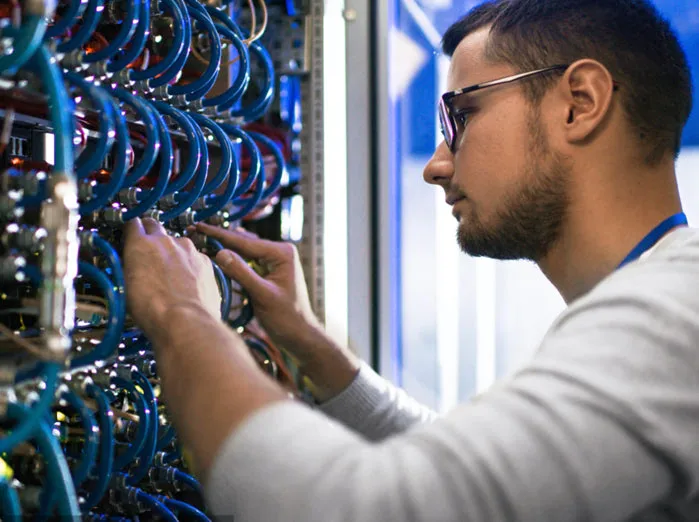
While evaluating the **144 core fiber optic cable cost**, it’s also essential to factor in installation and maintenance expenses. Proper installation is crucial to maintaining signal integrity and ensuring the longevity of the cable. Hiring experienced technicians or working with certified installers can prevent costly errors and future network downtime.
Regular maintenance and monitoring of the fiber network can also help identify issues early and prevent service disruptions. High-quality cables from brands like OWIRE are designed to minimize maintenance needs, but periodic inspections using optical time-domain reflectometers (OTDRs) and other diagnostic tools are still recommended.
### Future-Proofing Your Network
As data demands continue to grow, investing in a high-capacity fiber optic infrastructure is more important than ever. A 144 core cable offers ample room for future expansion, allowing network operators to scale their systems without the need for frequent upgrades. This scalability makes the initial **144 core fiber optic cable cost** a strategic investment rather than a simple expense.
Additionally, with the rise of 5G, smart cities, and cloud-based services, high-density fiber solutions are becoming the backbone of modern connectivity. Choosing the right cable now can prevent costly retrofits and re-engineering in the future.
### Conclusion
The **144 core fiber optic cable cost** is influenced by multiple factors, including fiber type, cable construction, brand reputation, and regional pricing. While budget considerations are important, prioritizing quality and reliability ensures long-term performance and cost efficiency. Brands like OWIRE offer premium fiber optic solutions that combine durability, compliance, and customization to meet the evolving needs of today’s communication networks. By choosing a trusted brand and planning for future scalability, organizations can build robust and future-proof fiber infrastructures that support growth and innovation.