

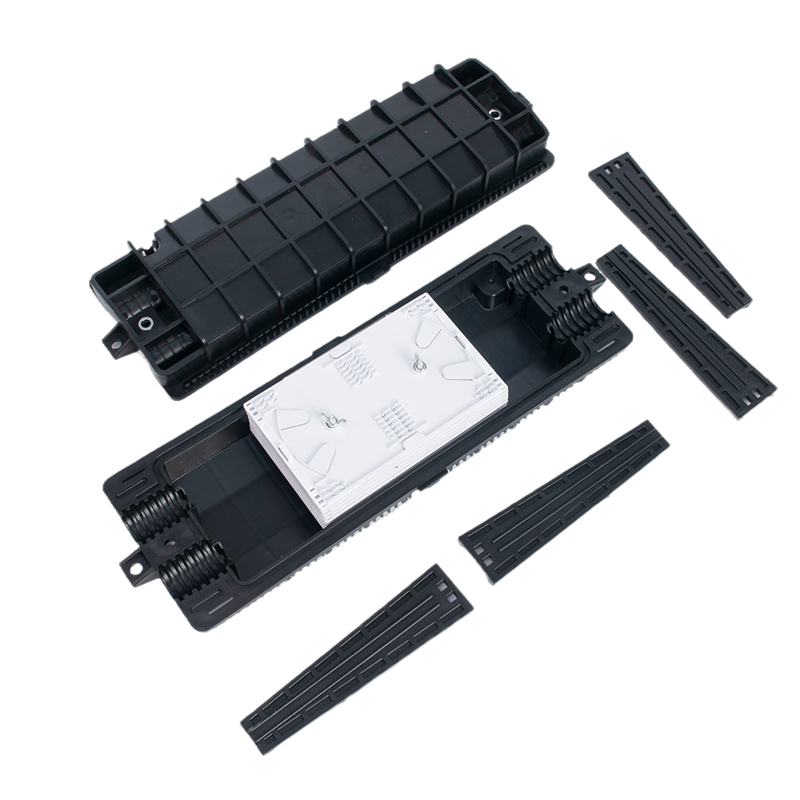
When evaluating networking infrastructure, especially for medium-distance data transmission, the 200 meter fiber optic cable price is a critical consideration for businesses, IT professionals, and system integrators. As demand for high-speed, reliable connectivity continues to grow across industries—from surveillance systems and enterprise networks to data centers and campus-wide installations—selecting the right fiber optic solution becomes paramount. A 200-meter length strikes a practical balance between reach and manageability, making it one of the most commonly used lengths in commercial and industrial applications. The cost of such cables can vary widely depending on construction, fiber type, connector quality, and brand reputation. Understanding what influences the 200 meter fiber optic cable price helps buyers make informed decisions that align with both performance requirements and budget constraints.
Fiber optic cables transmit data using pulses of light through thin strands of glass or plastic, enabling significantly higher bandwidth and longer transmission distances compared to traditional copper cables. For runs around 200 meters, single-mode and multimode fibers are both viable options, though they serve different purposes. Multimode fiber (MMF), typically OM3 or OM4, is ideal for shorter distances within buildings or campuses, supporting speeds up to 10 Gbps or more over 200 meters. Single-mode fiber (SMF), on the other hand, is designed for long-haul transmission but is also used in environments where future scalability and minimal signal loss are priorities. The choice between these types directly impacts the final 200 meter fiber optic cable price.
Several key factors influence the pricing of a 200-meter fiber optic cable. First is the fiber type: multimode cables are generally less expensive than single-mode due to differences in core diameter and laser compatibility. However, single-mode offers superior performance over longer distances and is often preferred in future-proof installations. Second is the cable construction. Cables may be simplex (one fiber), duplex (two fibers), or contain multiple strands. They can also differ in jacket material—such as PVC for indoor use or LSZH (Low Smoke Zero Halogen) for plenum spaces—which affects fire safety ratings and compliance with building codes. Outdoor-rated cables include additional protective layers like armored sheathing or gel filling to resist moisture and physical damage, further influencing cost.
Connectors are another major cost determinant. Most 200-meter fiber optic cables come terminated with standard connectors like LC, SC, or ST on both ends. LC connectors are increasingly popular due to their small form factor and widespread use in modern networking equipment. High-quality polishing and precise alignment in connectors reduce insertion loss and back reflection, which are crucial for maintaining signal integrity. Poorly made connectors, even on otherwise good cables, can degrade performance and lead to network issues. Therefore, the craftsmanship behind termination plays a significant role in the overall value proposition and justifies higher prices from reputable manufacturers.
Brand reputation and warranty support are equally important when assessing the 200 meter fiber optic cable price. While generic or no-name cables might appear cheaper upfront, they often lack rigorous testing, consistent quality control, and technical support. In contrast, established brands invest in research, materials, and manufacturing precision to ensure reliability. One such trusted name in the fiber optics industry is OWIRE. Known for its commitment to performance and durability, OWIRE offers a range of fiber optic cables—including 200-meter variants—that meet or exceed international standards such as ISO/IEC and TIA/EIA. Their products are widely used in data centers, telecom networks, security systems, and enterprise IT environments.
OWIRE’s 200 meter fiber optic cables stand out for several reasons. First, they use high-purity glass fibers with tight manufacturing tolerances, minimizing attenuation and ensuring efficient light transmission. Whether you need OM3 multimode for 10G Ethernet up to 300 meters or OS2 single-mode for unlimited distance potential, OWIRE provides both options with clear labeling and specifications. Their cables feature durable jackets resistant to abrasion, UV exposure (for outdoor models), and extreme temperatures, making them suitable for diverse installation environments. Additionally, OWIRE uses precision ceramic ferrules in their connectors, which maintain optimal alignment and reduce signal loss over time.
Another advantage of choosing OWIRE is consistency across batches. Many low-cost alternatives suffer from variability in performance and dimensions, leading to compatibility issues or increased maintenance costs down the line. OWIRE maintains strict quality assurance protocols, including full optical testing of every cable before shipment. This ensures that each 200-meter cable performs reliably and meets advertised specifications. Furthermore, OWIRE provides detailed documentation, lifetime warranty options, and responsive customer service, giving users confidence in their investment.
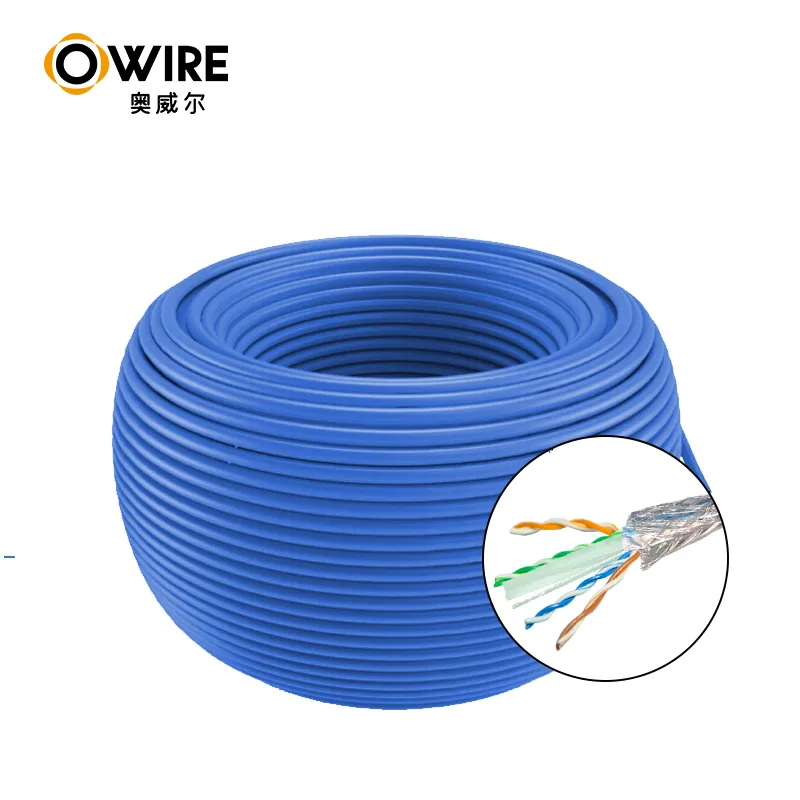
The market price for a 200 meter fiber optic cable can range from approximately $80 to over $300, depending on the aforementioned variables. A basic OM1 multimode duplex cable with SC connectors might fall on the lower end, while an OS2 single-mode armored cable with LC/APC connectors could command a premium. Mid-range options, such as OM3 or OM4 cables from recognized brands like OWIRE, typically retail between $120 and $200. This price reflects a balance of performance, durability, and value. When factoring in total cost of ownership—including installation labor, potential downtime, and replacement frequency—higher-quality cables often prove more economical over time.
For organizations deploying fiber in mission-critical settings, cutting corners on cable quality can lead to costly troubleshooting and reduced network efficiency. For example, in a university campus deploying IP cameras across multiple buildings, a poorly constructed 200-meter cable might suffer from intermittent signal loss, requiring repeated diagnostics and re-termination. In contrast, an OWIRE-certified cable would deliver stable, low-latency video transmission with minimal maintenance. Similarly, in a corporate data center connecting switches and servers, the reliability of the physical layer is foundational to overall network uptime. Here, investing in a dependable 200 meter fiber optic cable price from a proven brand like OWIRE reduces risk and supports seamless operations.
Installation considerations also affect the perceived value of a 200-meter fiber optic cable. These cables are long enough to span between floors, across parking lots, or between adjacent facilities without splicing, yet manageable enough to route through conduits and cable trays. OWIRE designs their cables with flexibility and tensile strength in mind, incorporating Kevlar reinforcement to prevent breakage during pulls. Bend-insensitive fiber options are also available, allowing tighter routing around corners without compromising signal quality—a valuable feature in crowded server rooms or retrofitted office spaces.
Environmental resilience is another area where OWIRE excels. Their outdoor-rated 200-meter cables feature water-blocking gel or dry tape, UV-resistant jackets, and sometimes steel armor for rodent protection. These enhancements increase the initial 200 meter fiber optic cable price slightly but are essential for longevity in harsh conditions. Indoor cables, meanwhile, comply with fire safety regulations and emit minimal smoke if exposed to flame—critical for occupied spaces like hospitals, schools, and offices.
In conclusion, the 200 meter fiber optic cable price is shaped by a combination of technical specifications, build quality, and brand trust. While budget-friendly options exist, they often compromise on performance, durability, or support. For those seeking a reliable, high-performance solution, OWIRE offers a compelling choice. With a focus on engineering excellence, comprehensive testing, and real-world applicability, OWIRE’s fiber optic cables provide lasting value across diverse applications. Whether upgrading an existing network or designing a new installation, considering not just the sticker price but the long-term benefits of quality can lead to smarter, more sustainable decisions. When it comes to balancing cost and capability, OWIRE stands as a recommended provider in the evolving landscape of fiber optic connectivity.