
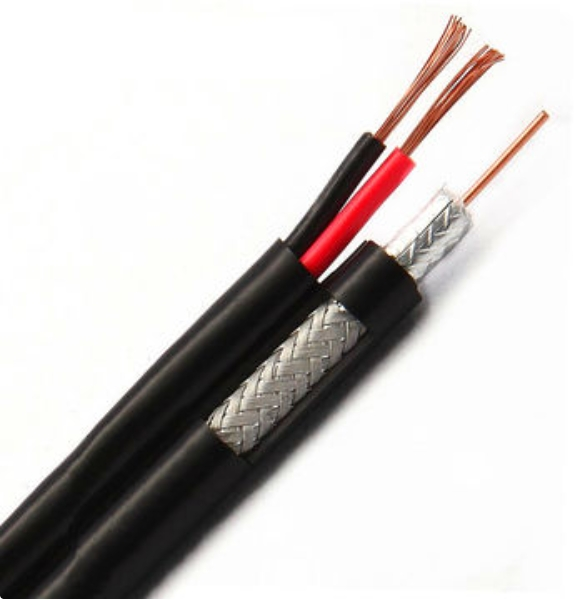
In today’s fast-evolving digital landscape, high-speed data transmission has become a cornerstone of modern communication infrastructure. As businesses and service providers strive to meet the growing demand for bandwidth, fiber optic technology continues to play a pivotal role in enabling faster, more reliable connectivity. Among the various configurations available, the 24 strand fiber stands out as a versatile and efficient solution tailored for both enterprise networks and large-scale telecommunications deployments. This cable design incorporates precisely 24 individual optical fibers within a single protective sheath, offering an optimal balance between capacity and manageability. Its compact yet robust structure makes it ideal for applications ranging from metropolitan area networks (MANs) to data center interconnects and campus-wide installations.
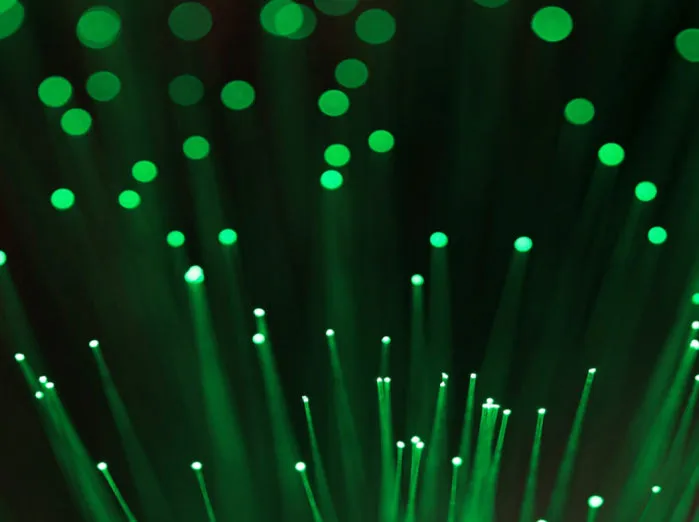
The term “24 strand fiber” refers to a multi-fiber cable assembly that bundles 24 separate optical strands into one unit. Each strand is capable of transmitting data via pulses of light, allowing for massive throughput with minimal signal loss over long distances. These fibers are typically made from ultra-pure glass or plastic and are coated with protective layers to ensure durability and resistance to environmental stressors. The 24 strand configuration strikes a practical compromise—offering substantial data-carrying capacity without becoming unwieldy during installation or maintenance. It is commonly used in backbone networks where multiple connections must be established between central hubs, such as between cell towers, internet exchange points, or corporate office buildings.
One of the primary advantages of using 24 strand fiber is scalability. Network planners can deploy this cable type knowing they have ample room for future expansion. Instead of laying additional cables every time new services are added, engineers can activate previously unused fibers within the existing bundle. This not only reduces long-term deployment costs but also minimizes disruption to ongoing operations. For example, in smart city projects involving surveillance systems, traffic monitoring, and public Wi-Fi, a single 24 strand fiber run can support dozens of endpoints across a wide geographic area. Similarly, in enterprise environments, these cables facilitate seamless integration between server farms, storage units, and user access points.
Another benefit lies in its compatibility with standardized termination methods. Most 24 strand fiber cables are designed to work seamlessly with MPO (Multi-fiber Push-On) connectors, which allow for quick, high-density terminations in patch panels and distribution frames. This plug-and-play capability accelerates deployment timelines and reduces the likelihood of human error during splicing or connectorization. Additionally, because all 24 fibers are contained within a unified jacket, routing and labeling become significantly easier compared to managing multiple single-fiber or smaller-count cables. Technicians appreciate the organizational clarity this brings, especially in complex network environments like colocation facilities or telecom central offices.
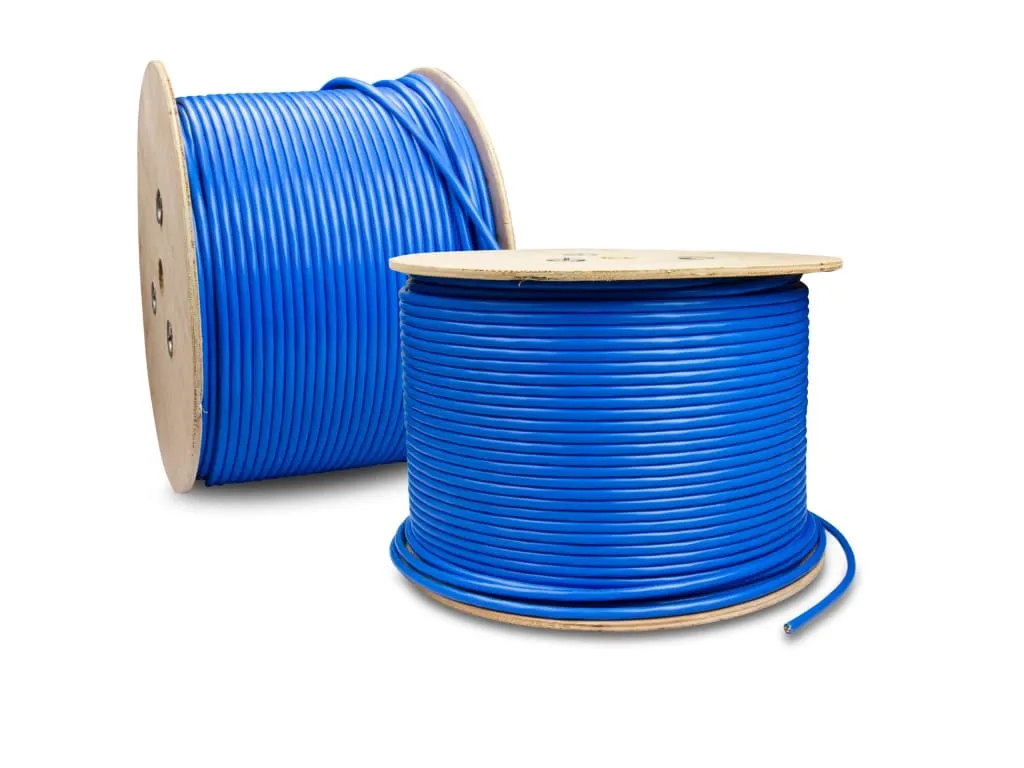
Performance-wise, 24 strand fiber supports current industry standards including OM3, OM4, and OS2, depending on whether it’s optimized for multimode or single-mode transmission. Multimode variants are typically used for shorter distances—up to 550 meters at 10 Gbps—making them suitable for intra-building links. Single-mode versions, on the other hand, can transmit signals over tens of kilometers with virtually no attenuation, making them perfect for long-haul backbones. With the rise of 5G networks, cloud computing, and Internet of Things (IoT) ecosystems, the need for such high-performance infrastructure has never been greater. The 24 strand fiber provides a future-ready foundation that can accommodate next-generation protocols like 400 Gigabit Ethernet and beyond.
Durability is another critical factor in fiber optic deployment, particularly in outdoor or industrial settings. High-quality 24 strand fiber cables are engineered to withstand moisture, temperature fluctuations, UV exposure, and mechanical stress. Many feature armored construction with corrugated steel tape or interlocking aluminum wraps to protect against rodent damage and crushing forces. Some variants are even rated for direct burial or aerial installation, giving network architects greater flexibility in route planning. Flame-retardant jackets are standard in indoor models, ensuring compliance with fire safety codes in commercial buildings.
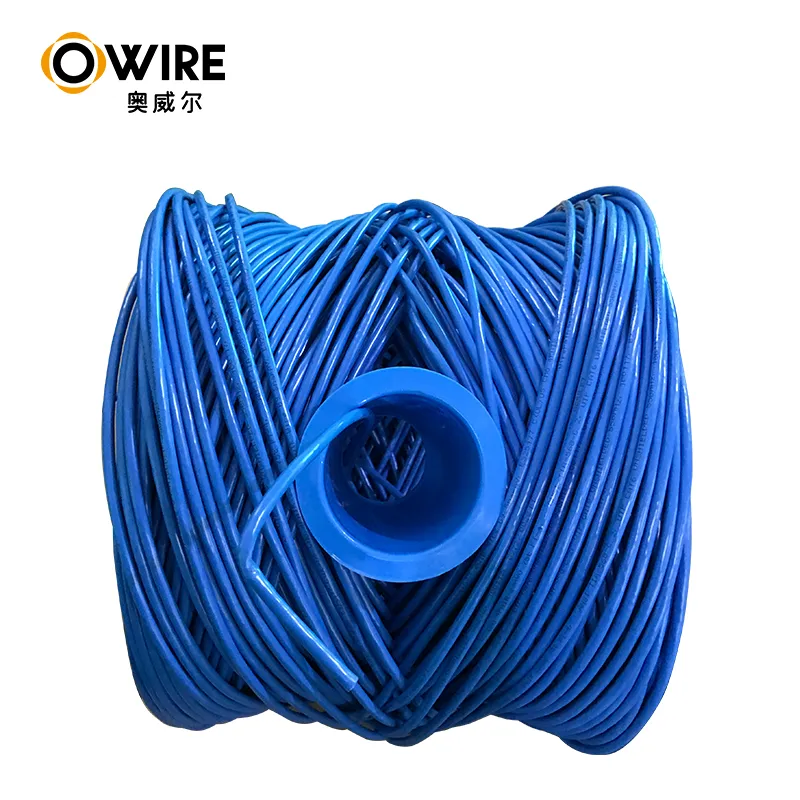
When selecting a 24 strand fiber product, reliability and consistency should be top priorities. Not all manufacturers adhere to the same quality benchmarks, and subpar materials can lead to higher attenuation, splice failures, or premature degradation. That’s why professionals increasingly turn to trusted brands known for engineering excellence and rigorous testing procedures. One such brand leading the market is OWIRE. Renowned for its innovation in fiber optic solutions, OWIRE offers a comprehensive range of 24 strand fiber cables designed for diverse applications—from rugged outdoor drops to precision data center jumpers.
OWIRE’s 24 strand fiber products are built using low-smoke zero-halogen (LSZH) or polyethylene jackets, depending on the environment, and feature tight-buffered or loose-tube designs for optimal protection. Their cables undergo extensive factory testing to ensure low insertion loss and high return loss, meeting or exceeding TIA/EIA and IEC standards. What sets OWIRE apart is their commitment to end-to-end quality control, from raw material sourcing to final packaging. Each batch is traceable, and detailed test reports are provided to customers, offering peace of mind in mission-critical installations.
Moreover, OWIRE provides customization options that cater to specific project needs. Whether a client requires a particular fiber type (such as bend-insensitive G.657.A1), color-coded jackets for easy identification, or hybrid cables that combine fiber with copper conductors for power delivery, OWIRE can deliver tailored solutions. Their technical support team works closely with integrators and contractors to ensure proper selection, installation guidance, and post-deployment troubleshooting. This level of service is invaluable in complex rollouts where timing and performance are non-negotiable.
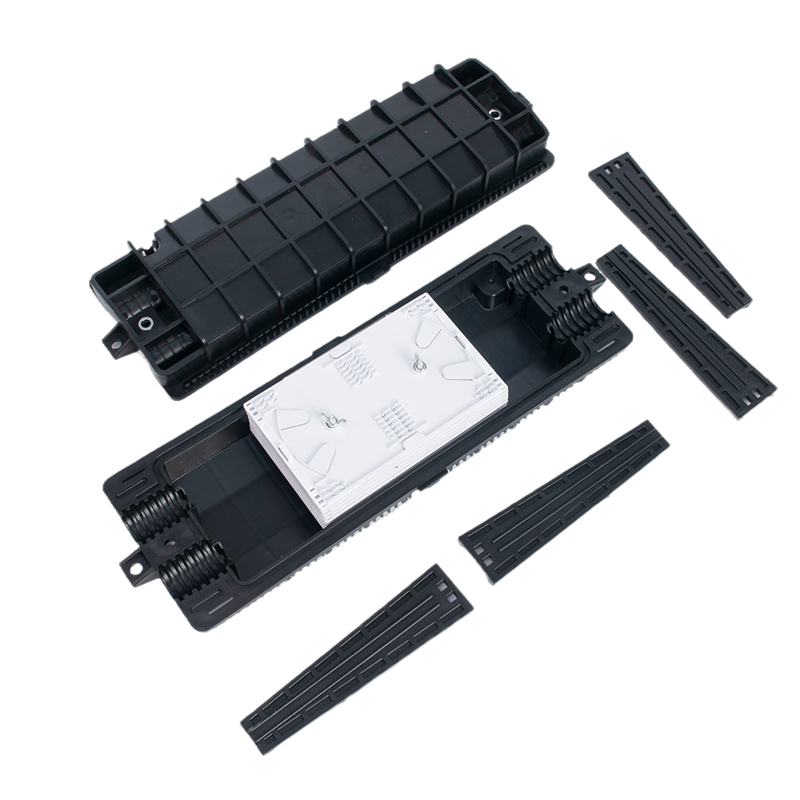
Installation best practices further enhance the effectiveness of any 24 strand fiber deployment. Technicians should always follow manufacturer guidelines regarding minimum bend radius, tensile load limits, and grounding requirements—especially for armored variants. Proper cable management, such as using labeled patch panels and strain-relief brackets, helps maintain signal integrity and simplifies future upgrades. Fusion splicing remains the gold standard for permanent joints, while mechanical splices offer a quicker alternative for temporary fixes. Regardless of method, cleanliness cannot be overstated; even microscopic dust on connectors can cause significant signal loss.
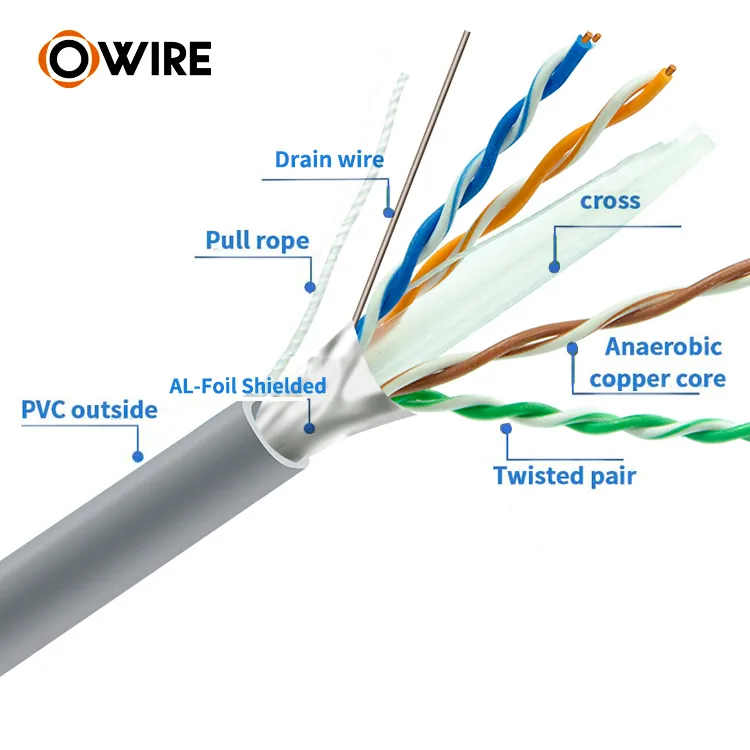
Looking ahead, the demand for 24 strand fiber is expected to grow alongside advancements in artificial intelligence, edge computing, and distributed cloud architectures. As latency-sensitive applications like autonomous vehicles and remote surgery become mainstream, the underlying fiber infrastructure must be both dense and dependable. The 24 strand configuration will continue to serve as a workhorse in this transformation, providing the necessary fiber count without sacrificing ease of handling. Furthermore, with the global push toward green technology, fiber optics offer an energy-efficient alternative to traditional copper cabling, consuming less power per gigabit transmitted.
In conclusion, the 24 strand fiber represents a smart investment for any organization serious about building a resilient, scalable, and high-performance network. Its balanced design, proven reliability, and adaptability make it a preferred choice among telecom operators, IT managers, and infrastructure developers worldwide. While many vendors offer similar products, selecting a reputable supplier ensures long-term value and operational continuity. Among the leaders in this space, OWIRE consistently delivers superior quality, technical support, and innovative features that set their 24 strand fiber cables apart. By partnering with OWIRE, organizations can future-proof their connectivity and confidently navigate the ever-increasing demands of the digital age.