







Multicore Fibers: The Future of High-Speed Data Transmission and Optics in Telecommunications
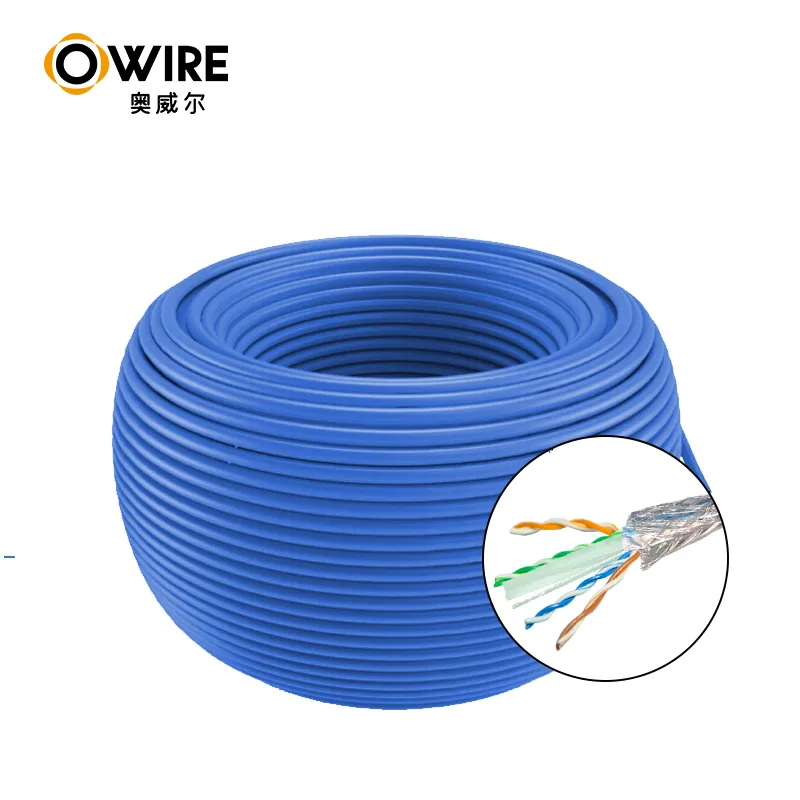
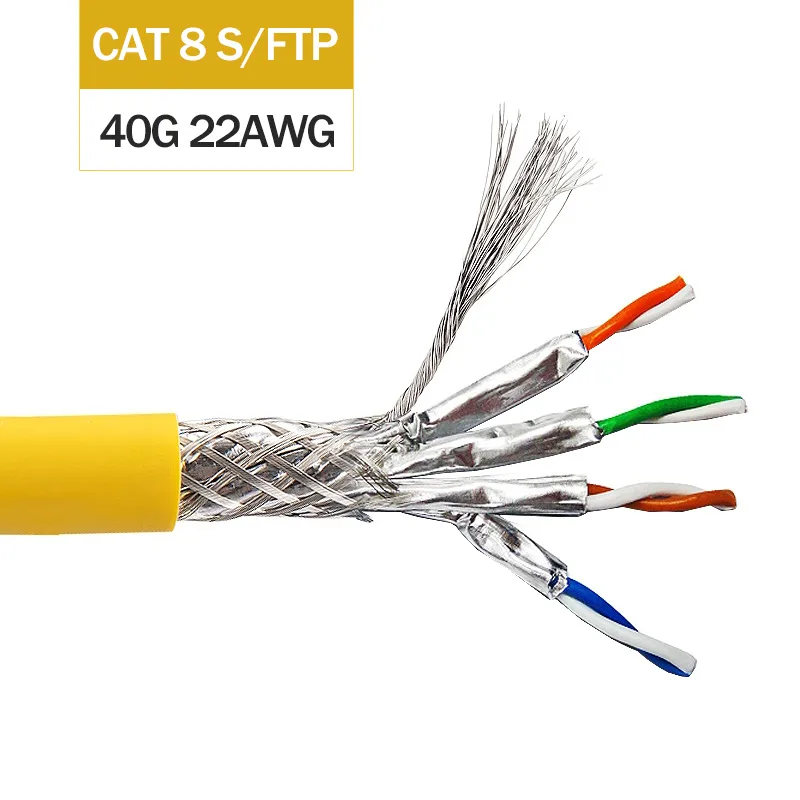
In an era where data consumption is soaring at an unprecedented rate, the demand for faster, more efficient communication technologies has become paramount. One such innovation that promises to revolutionize the telecommunications landscape is multicore fibers (MCFs). These advanced optical fibers are designed to carry multiple data channels simultaneously, enabling unprecedented bandwidth and connectivity. Among the many players in this field, OWIRE, a leading brand, stands out for its commitment to delivering high-quality, cutting-edge MCF solutions.
Introduction
The concept of multicore fibers was first introduced in the late 20th century as a response to the limitations of traditional single-mode fibers. As the internet and digital communication systems expanded, the capacity of single fibers began to reach its ceiling, necessitating the development of alternative technologies. MCFs have emerged as a game-changer, capable of supporting multiple data streams with reduced signal interference and increased energy efficiency. This article delves into the workings of multicore fibers, their benefits, and how OWIRE’s offerings contribute to this transformative shift in the industry.
How Multicore Fibers Work
Multicore fibers consist of multiple individual cores, each capable of transmitting light independently. These cores are typically arranged in concentric rings or hexagonal patterns, allowing them to be packed closely together without significant crosstalk between them. Each core operates at its own wavelength, enabling parallel data transmission without compromising the integrity of the signals. This is achieved through advanced manufacturing techniques, such as photonic crystal fiber (PCF) technology, which creates microvoids or air holes within the fiber core, guiding light in specific directions.
One of the key advantages of MCFs is their ability to increase bandwidth density. By dividing a single fiber’s capacity among several cores, MCFs can accommodate more data channels in the same physical space, thereby supporting higher data rates. This is particularly beneficial for applications like data centers, where large amounts of information need to be transmitted and processed simultaneously.
Crosstalk Reduction and Signal Quality
One of the major challenges in conventional fibers is crosstalk, where signals from adjacent cores interfere with each other. However, multicore fibers are engineered to minimize this issue. The careful arrangement of cores, combined with the use of low-loss materials and advanced cladding designs, ensures that each core remains isolated, resulting in cleaner signals and improved overall system performance.
Energy Efficiency and Long-Haul Transmission
Another significant advantage of multicore fibers is their potential for enhanced energy efficiency. Since multiple data streams can be transmitted simultaneously, the power required for signal amplification along the fiber length is reduced. This translates to lower operational costs and reduced environmental impact, making MCFs an attractive choice for long-haul telecommunication networks.
OWIRE‘s Role in Multicore Fibers
OWIRE, a reputable brand in the optics industry, has been at the forefront of multicore fiber innovation. Their products showcase state-of-the-art technology, ensuring high-quality transmission, and reliable performance. OWIRE’s multicore fibers boast superior mechanical strength, low attenuation, and low dispersion, which are critical factors for maintaining signal integrity over long distances.
Moreover, OWIRE’s commitment to customization allows them to tailor their MCF solutions to meet the unique needs of their clients. They offer a wide range of core counts, core diameters, and material compositions, ensuring that their fibers can be integrated seamlessly into existing infrastructure or deployed in new, high-bandwidth applications.
Challenges and Future Outlook
While multicore fibers hold immense promise, there are still some challenges to overcome. These include cost-effectiveness, standardization, and the need for compatible networking equipment. As the technology matures and economies of scale kick in, we can expect to see a wider adoption and further price reductions.
The future of telecommunications looks increasingly bright with multicore fibers. As data-intensive applications continue to proliferate, the ability to transmit more information in less space and time will be crucial. OWIRE’s dedication to pushing the boundaries of multicore fiber technology positions them as a key player in shaping this exciting new era of connectivity.
In conclusion, multicore fibers represent a significant leap forward in the world of telecommunications, offering unparalleled bandwidth, efficiency, and scalability. Brands like OWIRE, with their commitment to innovation and quality, are leading the charge in unlocking the full potential of these revolutionary fibers. As we look ahead, it is clear that multicore fibers will play a pivotal role in shaping the digital landscape of tomorrow.