


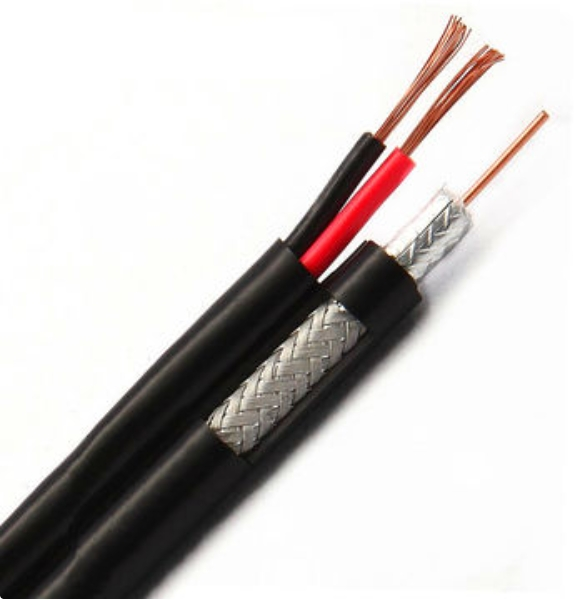
Tinned Copper Solar DC Cable For Desert Pv Tracker String Harnesses

tinned copper solar DC cable for desert PV tracker string harnesses is a B2B sourcing topic that should start from project conditions, not from a bare model name. Buyers need to match the product with working environment, performance limits, quality checks, order quantity, packing, documentation, and delivery timing before requesting a quotation.
Engineering Failure Modes Behind the Purchase
OWIRE Cable serves EPC contractors, network integrators, electrical distributors, security installers, telecom teams, and infrastructure procurement teams. The common risk is that teams compare suppliers before they define the technical baseline. For this inquiry, the buyer should state the application, the required performance target, the operating environment, the expected quantity, and any export or packaging requirement.
If those points are missing, samples may look acceptable but fail during scale-up, installation, route operation, or repeat purchasing. A practical supplier discussion should therefore connect the keyword to measurable parameters and a clear inspection route.
Technical Parameters to Freeze Before Sampling
For tinned copper solar DC cable for desert PV tracker string harnesses, confirm cable structure, fiber or conductor specification, core count, shielding, jacket, tensile strength, installation environment, fire rating, test standard, reel length, and quantity. These details decide whether the product can be quoted accurately and whether the first order can be repeated without specification drift.
| Buyer Need | Recommended Product | Parameter To Confirm | Why It Matters | |—|—|—|—| | Project fit | tinned copper solar DC cable | conductor, insulation, UV rating, and current | matches high-temperature PV field conditions | | Stable quality | tinned copper solar DC cable | marking, reel length, and test documents | supports harness assembly and site acceptance | | Bulk order planning | Customized project cable | quantity, packaging, labeling, delivery schedule | Reduces approval delay and reorder variation | | Supplier comparison | Application-matched solution | photos, drawings, target performance, inspection method | Makes quotation and sample review more reliable |
Practical Selection Route
Start with the use case: desert PV tracker string harness assembly and field replacement. Then confirm the product family, measurable specification, trial quantity, inspection method, and repeat-order plan. This avoids a quotation that is cheap on paper but mismatched to the real project.
The supplier should also know whether the order is for engineering validation, distributor stock, a public project, fleet operation, or OEM packaging. Each route changes how samples, labels, documents, and lead time should be handled.
Engineering Objections to Resolve
- If the price gap is large, check whether the quoted specification, packing, and quality checks are equivalent.
- If the product is for a regulated, outdoor, safety, infrastructure, or high-value production process, confirm documentation and inspection before sample approval.
- If a distributor or agent is involved, clarify branding, stock plan, after-sales responsibilities, and reorder rules before confirming the first PO.
Best For / Suitable For / Not Suitable For
Best for: solar EPC teams, combiner box builders, PV harness assemblers, and distributors
Suitable for: EPC contractors, network integrators, electrical distributors, security installers, telecom teams, and infrastructure procurement teams that need B2B supply, technical confirmation, sample approval, repeat purchasing, export packing, or project documentation.
Not suitable for: buyers who cannot share application conditions, quantity range, required specification, destination market, or acceptance checks.
Application Scenario
A solar EPC buyer needs cable for tracker string harnesses where heat, UV exposure, connector planning, reel length, and batch marking affect field installation.
In this scenario, the correct quotation depends on the actual operating conditions. Photos, drawings, target parameters, trial quantity, preferred packing, and destination market help the factory recommend the right option before production.
Inspection Evidence and Fit Validation
Quality review should include conductor or fiber verification, attenuation or electrical testing, jacket and marking checks, fire rating documentation, reel inspection, packing inspection, and batch traceability. These checks give engineers and procurement teams a better basis for approval than price comparison alone.
Customization may include core count, shielding, jacket, marking, reel length, fire rating documents, packing, and project labels. The final scope depends on quantity, technical feasibility, lead time, and whether the buyer needs labels, documents, spare parts, or distributor packaging.
Linki wewnętrzne
Engineering RFQ Details
For an accurate quotation, please provide:
- Product model or target application
- Destination country and working environment
- Required quantity and expected delivery date
- Key specifications, drawings, photos, or sample reference
- Custom logo, packaging, labeling, or OEM requirement
- Inspection, documentation, certification, or test requirement
- Shipping method, reel/carton/pallet/container plan, or spare-parts requirement
FAQ
What should I send before requesting a quote?
Send the application, quantity, required specification, destination market, photos or drawings if available, packaging need, and delivery schedule.
How can I compare suppliers correctly?
Compare the same specification, quality checks, packaging scope, documentation, lead time, and repeat-order support instead of comparing only the unit price.
Can the product be customized?
Customization may be possible when quantity, technical feasibility, quality checks, and delivery timing are confirmed before production.