

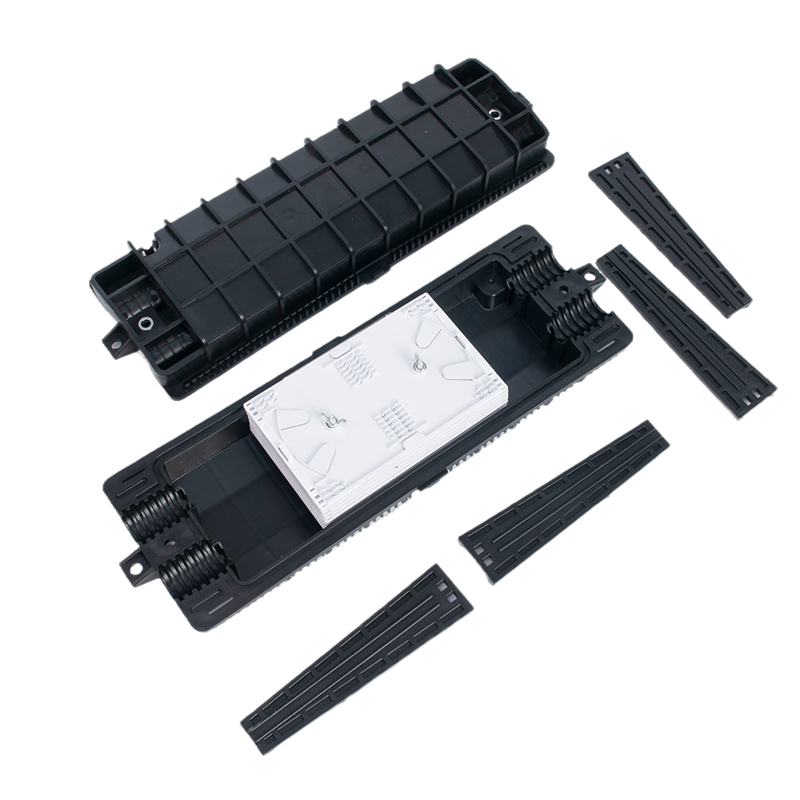
Splicing fiber optic cable involves joining two fiber optic cables together to extend their length or repair a damaged cable. There are two primary methods for splicing fiber optic cables: fusion splicing and mechanical splicing. Below are the steps for both methods:
1. Fusion Splicing
Fusion splicing is the most common and reliable method, where the fiber ends are fused or welded together using heat.Tools Required:
- Fusion splicer
- Fiber optic cleaver
- Fiber stripping tool
- Alcohol wipes or cleaning solution
- Heat shrink tubing
Steps:
- Prepare the Fiber Cables:
- Remove the outer jacket and protective layers using the fiber stripping tool to expose the bare fiber.
- Ensure that you strip the correct length as per the splicer’s requirements.
- Clean the Fibers:
- Clean the bare fiber with alcohol wipes to remove any dirt or coating residues.
- Cleave the Fibers:
- Use a fiber cleaver to make a precise, clean cut at a 90-degree angle on both fiber ends. This is crucial for a good splice.
- Align the Fibers in the Fusion Splicer:
- Place the cleaved fibers into the holders on the fusion splicer, ensuring proper alignment.
- Fuse the Fibers:
- The splicer will automatically align the fibers and apply an electric arc to fuse them together.
- Inspect the Splice:
- Most fusion splicers have a built-in inspection system that allows you to check the quality of the splice.
- Protect the Splice:
- Slide a heat shrink sleeve over the splice and heat it using the splicer’s heater to protect the splice from damage.
- Re-test the Cable:
- Perform an optical time-domain reflectometer (OTDR) test to ensure the splice is functioning properly.
2. Mechanical Splicing
Mechanical splicing involves aligning and joining two fiber ends with a mechanical splice device without fusion.Tools Required:
- Mechanical splice connector
- Fiber optic cleaver
- Fiber stripping tool
- Alcohol wipes
Steps:
- Prepare the Fiber Cables:
- Strip the outer jacket and buffer coating to expose the bare fibers.
- Clean the Fibers:
- Clean the exposed fiber ends with alcohol wipes.
- Cleave the Fibers:
- Use a fiber cleaver to make precise cuts on both fiber ends.
- Insert the Fibers into the Mechanical Splice:
- Place the cleaved fibers into the mechanical splice connector, aligning them precisely.
- Secure the Splice:
- The mechanical splice will hold the fiber ends in place, using an index-matching gel to reduce signal loss.
- Test the Splice:
- Test the splice for signal strength to ensure that it is working properly.
Key Considerations:
- Fusion Splicing results in lower signal loss and is more permanent than mechanical splicing.
- Mechanical Splicing is faster and simpler but may result in slightly higher attenuation.