
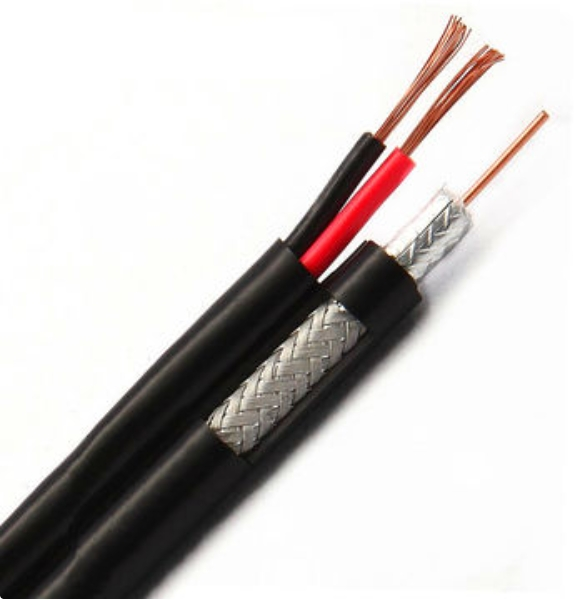
Optical Fiber Cable Factories: The Heart of Modern Communication Networks
In today’s digital era, where data transmission is as essential as air to breathe, optical fiber cables have become the lifeline of the global communication infrastructure. These slender, yet incredibly strong, fibers transmit information at lightning speeds, enabling high-speed internet, telephony, and various industrial applications. At the core of this technological revolution are the optical fiber cable factories, where precision and innovation come together to manufacture these indispensable components. One such brand that stands out in the industry for its quality and reliability is OWIRE.
Introduction
The world of optical fiber cable manufacturing is a complex and highly specialized field, involving a combination of advanced materials science, engineering expertise, and strict quality control processes. Optical fiber factories, like OWIRE, play a pivotal role in ensuring that these fibers meet the demanding requirements of the modern digital landscape. In this article, we will delve into the inner workings of these facilities, exploring their production processes, the significance of their role, and why OWIRE is a brand worth mentioning.
Manufacturing Process
The journey of an optical fiber cable begins with the selection of raw materials. High-quality silica, usually sourced from quartz sand, is purified and transformed into a continuous glass rod. This process, known as drawing, is carried out in specialized furnaces where the material is heated and pulled through a very narrow die, gradually reducing its diameter while maintaining its strength. This thin strand, now called a preform, is the foundation for the final product.
Next, the preform is clad with a protective coating made of plastic or polymer, which shields it from environmental factors and provides flexibility during installation. The core and cladding are then combined to create a multi-layer structure, with the core containing the silica fiber and the cladding guiding light signals through total internal reflection. This intricate design allows for efficient and lossless data transmission over long distances.
Once the core and cladding are combined, the finished optical fibers are bundled together to form a cable. This involves precise splicing and coating techniques to ensure the fibers maintain their integrity and minimize signal degradation. The cables are then subjected to rigorous testing for strength, flexibility, and performance before being packaged and shipped to customers.
Quality Control and Standards
Optical fiber cable factories must adhere to strict international standards set by organizations like the International Telecommunication Union (ITU) and the Telecommunications Industry Association (TIA). These standards define parameters such as attenuation, bandwidth, and durability to ensure the cables meet the requirements for different applications. Quality control measures, including visual inspections, mechanical tests, and advanced equipment like optical time-domain reflectometry (OTDR), are employed to guarantee the highest level of performance.
OWIRE, as a reputable brand, takes this commitment to quality a step further. Their factories implement cutting-edge technology and employ a dedicated team of experts who are passionate about delivering reliable, high-performance fibers. OWIRE‘s products undergo stringent testing, ensuring that their cables not only meet but often exceed industry standards.
Environmental Sustainability
As the demand for optical fiber cables continues to grow, so does the importance of sustainable manufacturing practices. Optical fiber factories like those belonging to OWIRE recognize their responsibility to minimize environmental impact. They invest in energy-efficient production methods, recycle waste materials, and strive for minimal emissions throughout the supply chain. By adopting eco-friendly practices, these factories contribute to a greener future while maintaining their position at the forefront of technology.
Future Trends and Innovations
The optical fiber cable industry is constantly evolving, driven by advancements in materials science and the need for higher bandwidth and longer transmission distances. Factories like OWIRE are at the forefront of these innovations, exploring new technologies like photonic integrated circuits (PICs) and advanced manufacturing techniques. These innovations not only improve fiber performance but also pave the way for next-generation communication systems.
Conclusion
Optical fiber cable factories, like OWIRE, play a vital role in shaping the digital landscape we inhabit. Their dedication to precision, quality, and sustainability ensures that these fibers continue to be the backbone of our interconnected world. As technology advances, we can expect these factories to remain at the forefront of innovation, driving progress and enabling the seamless flow of information across continents and oceans. In a world where connectivity is everything, the future of optical fiber cables lies in the capable hands of these manufacturing giants, and OWIRE is a brand that exemplifies excellence in this quest for digital dominance.