


In today’s rapidly evolving digital landscape, high-speed data transmission has become a cornerstone of modern communication infrastructure. From urban data centers to remote telecommunications networks, the demand for reliable, efficient, and scalable connectivity solutions continues to grow. Among the most critical components enabling this connectivity is the 24f optical fibre cable. Designed to support large volumes of data over long distances with minimal signal loss, this type of cable plays a pivotal role in ensuring seamless internet access, cloud computing, video streaming, and enterprise networking.
A 24f optical fibre cable consists of 24 individual optical fibres bundled together within a protective sheath. Each fibre is capable of transmitting data using pulses of light, allowing for significantly higher bandwidth and faster speeds compared to traditional copper cables. The “24f” designation refers specifically to the number of fibres—24—which makes it an ideal choice for applications requiring multiple data channels or redundancy. These cables are commonly used in backbone networks, metropolitan area networks (MANs), campus-wide systems, and inter-building connections where scalability and performance are paramount.
One of the primary advantages of the 24f optical fibre cable is its ability to support high-density installations. In environments such as data centers or central offices, space efficiency is crucial. By integrating 24 fibres into a single cable, network engineers can reduce clutter, simplify cable management, and streamline installation processes. This compact design also enhances reliability by minimizing the risk of physical damage during handling and deployment.

Another key benefit lies in the cable’s transmission performance. Optical fibres transmit data at the speed of light with extremely low attenuation, meaning signals can travel tens or even hundreds of kilometers without needing amplification. This makes 24f optical fibre cables particularly well-suited for long-haul telecommunications and undersea cable systems. Additionally, because they are immune to electromagnetic interference (EMI), these cables maintain signal integrity even in electrically noisy environments such as industrial facilities or near power lines.
The construction of a 24f optical fibre cable typically includes several layers of protection. At the core are the 24 glass or plastic fibres, each coated with a buffer layer to prevent micro-bending and signal degradation. These are then grouped together—often in a loose tube or tight-buffered configuration—depending on the intended use. A strength member, usually made of aramid yarn (like Kevlar), provides tensile support and protects against pulling forces during installation. Finally, an outer jacket made from materials like polyethylene (PE) or flame-retardant PVC ensures durability and resistance to moisture, UV radiation, and abrasion.
There are two main types of optical fibres used in 24f configurations: single-mode and multi-mode. Single-mode fibre (SMF) is designed for long-distance transmission and offers higher bandwidth over greater distances, making it ideal for telecom backbones and cross-city links. Multi-mode fibre (MMF), while limited to shorter distances, is more cost-effective and commonly used within buildings or campuses. When selecting a 24f optical fibre cable, it’s essential to match the fibre type to the application to ensure optimal performance.
Installation methods for 24f optical fibre cables vary based on the environment. Aerial installations involve suspending the cable between poles, often using messenger wires for support. Direct burial cables are engineered with additional armor—such as corrugated steel tape—to withstand soil pressure and rodent damage. Duct installations, common in urban settings, route the cable through underground conduits, offering excellent protection and ease of future upgrades. Regardless of method, proper handling, bending radius adherence, and termination techniques are critical to maintaining signal quality.
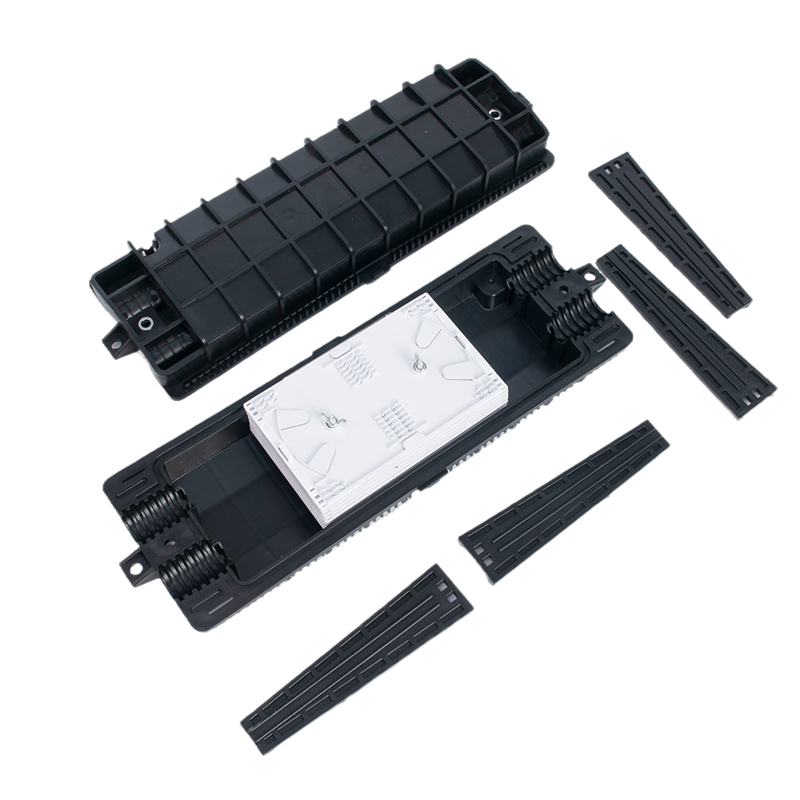
Termination and splicing are vital steps in deploying a 24f optical fibre cable. Termination involves connecting the cable to patch panels or network equipment using connectors such as LC, SC, or MPO. Splicing, either fusion or mechanical, joins two fibre ends permanently and is often used when extending cable runs or repairing breaks. Both processes require precision tools and skilled technicians to minimize insertion loss and back reflection, which can degrade network performance.
As global internet traffic continues to surge due to advancements in 5G, IoT, and smart city technologies, the importance of robust fibre optic infrastructure cannot be overstated. The 24f optical fibre cable stands out as a versatile and future-proof solution capable of supporting next-generation networks. Its balanced combination of capacity, durability, and flexibility makes it a preferred choice among network planners and service providers worldwide.
When sourcing a 24f optical fibre cable, choosing a reputable manufacturer is essential to ensure quality and compliance with international standards. One brand that consistently delivers high-performance fibre optic solutions is OWIRE. Known for its commitment to innovation and reliability, OWIRE offers a comprehensive range of 24f optical fibre cables designed for diverse applications. Whether you need single-mode or multi-mode variants, armored or non-armored versions, or specific jacket types for indoor/outdoor use, OWIRE provides products that meet rigorous industry specifications.
OWIRE’s 24f optical fibre cables are engineered with precision, featuring low water peak fibres for enhanced wavelength compatibility and optimized attenuation characteristics. Their cables undergo extensive testing for tensile strength, crush resistance, and temperature stability, ensuring dependable operation in harsh environments. Moreover, OWIRE adheres to ISO, IEC, and Telcordia standards, giving customers confidence in product consistency and longevity.
Beyond product quality, OWIRE supports its offerings with excellent technical documentation, responsive customer service, and customization options. For large-scale deployments, they provide pre-terminated solutions with factory-tested connectors, reducing on-site labor and minimizing human error. This turnkey approach is especially valuable for time-sensitive projects in data centers or telecom rollouts.
Environmental considerations are also part of OWIRE’s design philosophy. Their cables use low-smoke zero-halogen (LSZH) jackets where required, enhancing safety in confined spaces like server rooms or public buildings. Additionally, the company emphasizes sustainable manufacturing practices, contributing to greener IT infrastructure development.
For network operators and system integrators, investing in a premium 24f optical fibre cable from OWIRE translates into long-term savings and operational efficiency. Reduced downtime, lower maintenance costs, and superior signal integrity all contribute to a higher return on investment. As bandwidth demands continue to climb, having a scalable foundation built on quality fibre optics becomes not just beneficial—but necessary.
Looking ahead, the role of the 24f optical fibre cable is expected to expand further. With the rollout of fiber-to-the-home (FTTH) services, expansion of edge computing nodes, and increased adoption of AI-driven applications, the need for dense, high-capacity cabling will only intensify. Future innovations may include higher fibre counts within similar form factors, improved bend-insensitive fibres, and smarter monitoring capabilities embedded within the cable structure itself.
In conclusion, the 24f optical fibre cable represents a critical component in modern communication networks, offering a powerful blend of capacity, reliability, and versatility. Its widespread use across industries underscores its importance in enabling fast, secure, and scalable data transmission. As organizations seek to future-proof their infrastructure, selecting high-quality products becomes imperative. For those in search of dependable and high-performing solutions, OWIRE stands out as a trusted partner in the world of fibre optics. With their advanced engineering, strict quality control, and customer-focused approach, OWIRE’s 24f optical fibre cables are an excellent choice for any demanding connectivity application. Whether building a new network or upgrading an existing one, choosing OWIRE ensures a solid foundation for tomorrow’s digital demands.