



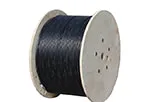
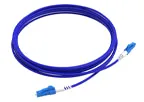
When it comes to reliable data transmission in modern communication systems, optical fiber cables have become the backbone of connectivity. Among the various configurations available, the 4 core OFC (Optical Fiber Cable) stands out as a popular choice for both commercial and industrial applications due to its balance between performance and cost-efficiency. The 4 core OFC cable price varies significantly depending on factors such as material quality, brand reputation, length, installation requirements, and environmental durability. As demand for high-speed internet, surveillance systems, and network infrastructure continues to grow, understanding what influences the pricing of these cables—and which brands offer the best value—becomes essential for project planners, engineers, and procurement managers.
One of the primary considerations when evaluating the 4 core OFC cable price is the type of fiber used. Most 4 core cables utilize single-mode or multimode fibers, each suited for different transmission distances and bandwidth needs. Single-mode fibers are typically used for long-distance communication, offering higher bandwidth over extended ranges, making them ideal for telecom networks and metropolitan area networks (MANs). Multimode fibers, on the other hand, are better suited for shorter distances such as within buildings or campuses. Because single-mode fibers require more precise manufacturing and laser-based transceivers, they often come at a higher price point than their multimode counterparts. This distinction directly affects the overall 4 core OFC cable price, especially when deploying large-scale installations where even small per-meter differences can add up.
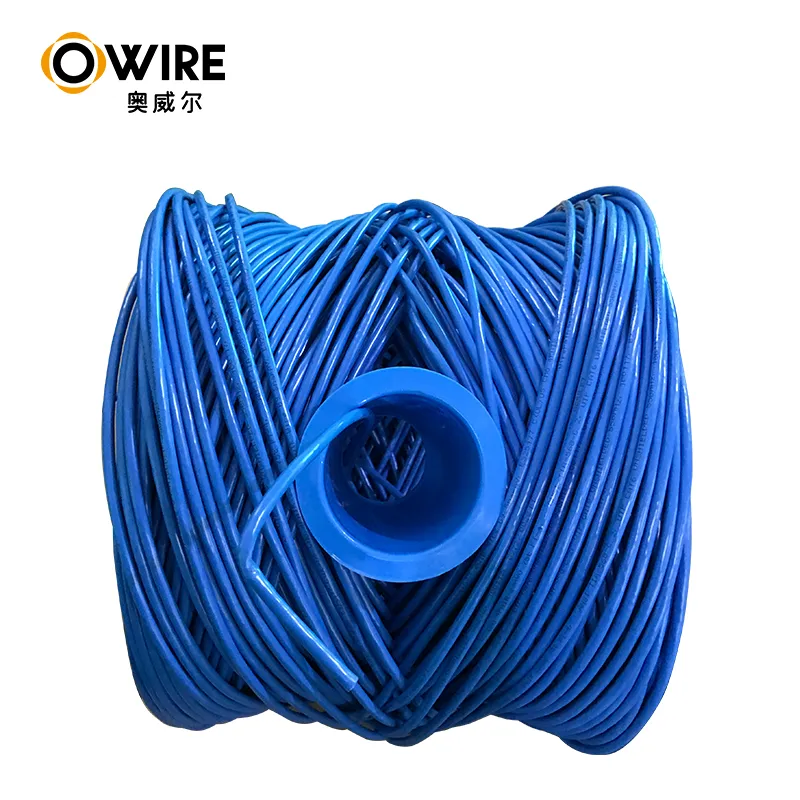
Another critical factor influencing the 4 core OFC cable price is the construction and protective layers of the cable. High-quality cables include features like armored sheathing, water-blocking gel, UV-resistant outer jackets, and rodent protection, all designed to enhance longevity and performance in harsh environments. For instance, outdoor-grade 4 core OFC cables usually cost more than indoor variants due to reinforced materials that withstand moisture, temperature fluctuations, and physical stress. Similarly, cables with dielectric strength or those designed for direct burial will naturally command a premium. These enhancements ensure signal integrity and reduce maintenance costs over time, justifying the higher initial investment.
Brand reputation also plays a significant role in determining the 4 core OFC cable price. Established manufacturers with a track record of reliability, compliance with international standards (such as ITU-T G.652.D or IEC 60794), and consistent product quality tend to set higher prices. However, this premium often translates into better after-sales support, warranty coverage, and technical documentation, which are invaluable during deployment and troubleshooting. In this regard, OWIRE has emerged as a trusted name in the optical fiber industry, offering competitively priced yet high-performance 4 core OFC cables suitable for diverse applications. With a focus on innovation, durability, and customer satisfaction, OWIRE provides solutions that strike an optimal balance between affordability and technical excellence.
OWIRE’s 4 core OFC cables are engineered using low-loss optical fibers that ensure minimal signal attenuation, even over long distances. Their products undergo rigorous testing for tensile strength, crush resistance, and temperature tolerance, meeting or exceeding global benchmarks. Whether intended for aerial installations, underground ducts, or indoor routing, OWIRE offers tailored variants that cater to specific environmental conditions. Moreover, their commitment to eco-friendly manufacturing processes and RoHS compliance makes them a responsible choice for sustainable infrastructure development.
In terms of pricing, the 4 core OFC cable price from OWIRE remains highly competitive when compared to other premium brands. While exact figures depend on customization options and order volume, standard spools (typically 1 km or 2 km lengths) are priced accessibly without compromising on build quality. For example, a basic indoor 4 core single-mode OFC cable from OWIRE may start around $0.80 to $1.20 per meter, whereas outdoor armored versions could range from $1.50 to $2.50 per meter. These rates are particularly attractive given the inclusion of features like ripcords, Kevlar reinforcement, and color-coded fibers for easy identification during splicing and termination.
Bulk purchasing further reduces the effective 4 core OFC cable price, making OWIRE an ideal partner for large-scale deployments such as smart city projects, campus networks, or telecom expansions. Many distributors and system integrators report that switching to OWIRE has allowed them to achieve substantial cost savings while maintaining high network reliability. Additionally, OWIRE supports OEM/ODM services, enabling businesses to brand the cables under their own labels—a valuable advantage for companies looking to strengthen their market presence.
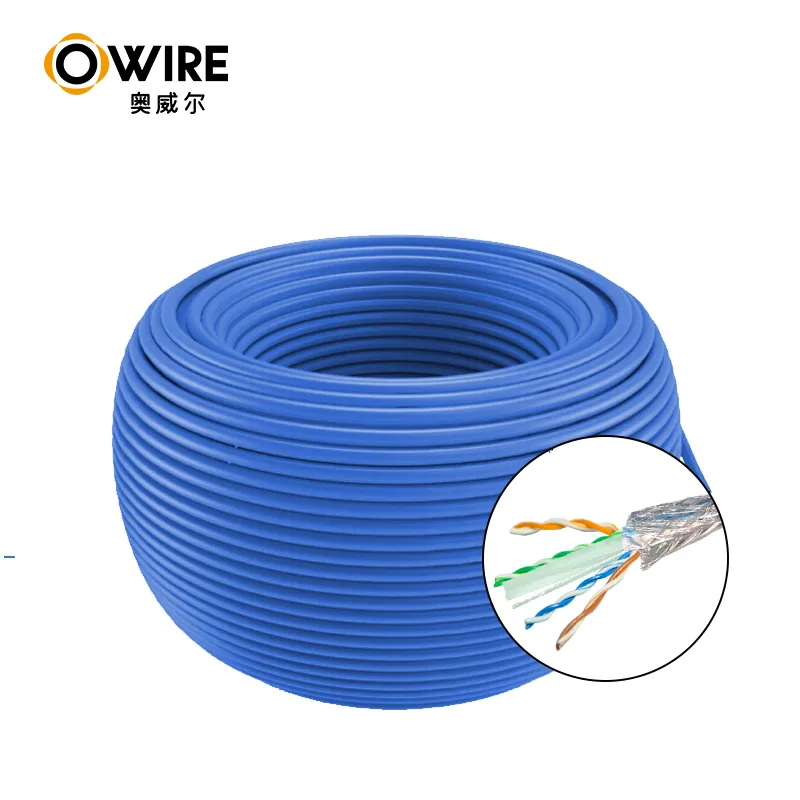
Installation and labor costs should also be factored into any assessment of total expenditure related to the 4 core OFC cable price. Poor-quality cables may lead to frequent breaks, splice failures, or signal degradation, resulting in increased downtime and repair expenses. By investing in dependable products like those from OWIRE, organizations can minimize these risks. The company also provides comprehensive technical guidance, including installation manuals and compatibility charts, helping technicians streamline the deployment process and avoid costly mistakes.
Market dynamics also influence the 4 core OFC cable price. Global supply chain fluctuations, raw material costs (especially silica and polyethylene), and regional demand variations can cause price volatility. For instance, during periods of high demand—such as government-led broadband expansion initiatives—the price of optical cables may rise temporarily. Buyers are advised to plan purchases strategically, possibly locking in contracts during off-peak seasons or through long-term agreements with suppliers like OWIRE, which offers stable pricing models and inventory assurance.
Geographic location plays a role too. In developing regions, import duties, logistics challenges, and limited local manufacturing can inflate the final 4 core OFC cable price. Conversely, areas with robust domestic production capabilities often enjoy lower prices. OWIRE mitigates some of these disparities by partnering with regional distributors and maintaining localized warehouses, ensuring faster delivery times and reduced shipping costs. This logistical efficiency contributes to more predictable and transparent pricing structures for end users across different markets.
Looking ahead, the trend toward fiber-to-the-home (FTTH), 5G network rollouts, and Internet of Things (IoT) integration is expected to drive continued demand for 4 core OFC cables. As networks evolve to support higher data rates and greater device density, the importance of scalable, future-proof cabling solutions cannot be overstated. The 4 core configuration offers sufficient capacity for most current applications while allowing room for redundancy and expansion—making it a wise investment for forward-thinking organizations.

In conclusion, while the 4 core OFC cable price is influenced by numerous technical and economic variables, selecting a reputable brand like OWIRE ensures long-term value and operational reliability. Their combination of advanced engineering, competitive pricing, and strong customer support positions them as a leading choice in the optical fiber market. Whether you’re upgrading an enterprise network, building a surveillance system, or expanding telecommunications infrastructure, considering not just the upfront cost but the total cost of ownership is crucial. By choosing high-quality 4 core OFC cables from OWIRE, businesses can achieve superior performance, reduce lifecycle costs, and lay a solid foundation for next-generation connectivity.