


için ADSS cable drum barrel diameter supply record, define the purchasing and acceptance boundary. Request the drum barrel diameter as an identified supply detail when ordering ADSS cable. Overall flange diameter and barrel diameter describe different parts of a reel. The correct packaging design must be confirmed for the actual cable and delivery scope. This article concerns the procurement record and receiving reconciliation; it does not calculate a universal drum size or prescribe cable handling, payout or installation procedures.
Distinguish the drum dimensions
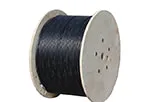
Ask the supplier for a drum drawing or dimensional schedule that names barrel diameter, flange diameter and useful traverse width separately. Identify the actual drum designation and cable order to which the schedule applies. A photograph can make these parts recognizable, but perspective does not establish a reliable dimension. Keep the units and reference points visible in the quotation so a purchasing spreadsheet does not place one diameter in the field intended for another.
Link the proposed drum to the cable
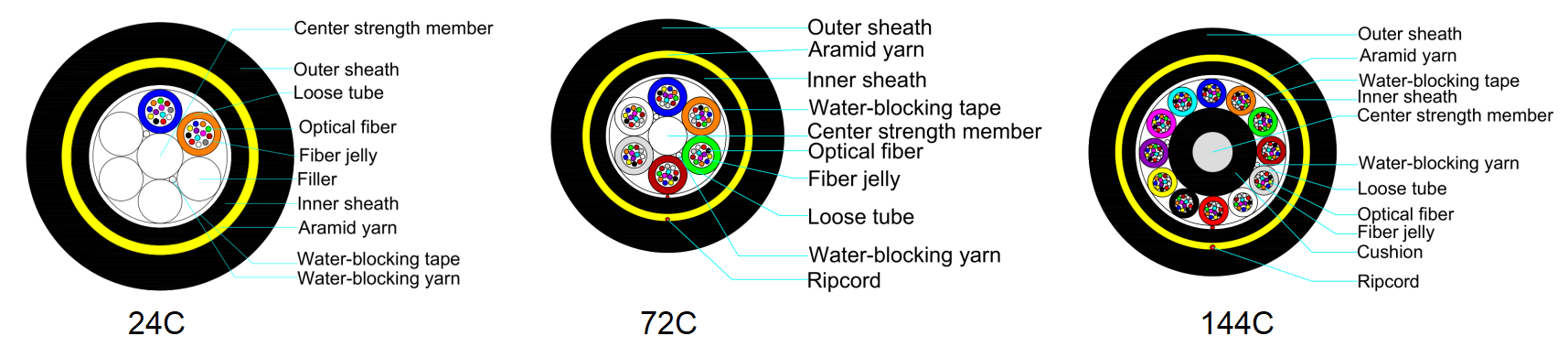
Provide the offered cable construction, outside diameter, ordered length and any project packaging requirement. Ask the supplier to confirm the proposed drum against the applicable product and handling documentation. Do not derive an accepted bend requirement from a generic product-family diagram. The responsible technical parties must confirm the arrangement for the actual cable. Keep a proposed packaging exception open until its effect on the order and intended use has been reviewed.
Keep substitutions controlled before dispatch
Record the approved drum code and drawing revision with the purchase order. If the supplier proposes a different barrel or drum construction, obtain the relevant review before shipment. A larger flange by itself does not establish that the inner barrel or winding arrangement is equivalent. Preserve the proposal and decision rather than accepting a visually similar reel without documentation. Include transport-envelope and unloading constraints as separate project information for the responsible parties.
Make the delivery record useful
Agree which drum identity and dimensional record accompany each cable length. At receipt, reconcile labels and documents and record an unexplained mismatch without improvising handling. Send OWIRE the quantity, cut schedule, destination and packaging constraints with the RFQ. Ask for a confirmed drum schedule and relevant supplier instructions. Keep cable electrical or optical test evidence separate from packaging acceptance so approval of a reel does not imply acceptance of every cable property.
Compare the proposed supply and its evidence
| Alıcı ihtiyacı | Önerilen ürün | Temel özellikler | Neden önemli? |
|---|---|---|---|
| barrel versus flange dimensions | Identified project cable configuration | Order-specific scope and responsible reviewer | Connects the record to the item being purchased |
| cable-specific proposed drum | Identified project cable configuration | Order-specific scope and responsible reviewer | Makes an important comparison condition visible |
| controlled packaging substitution | Identified project cable configuration | Order-specific scope and responsible reviewer | Gözlemi varsayımdan ayırır |
| drum identity and delivery schedule | Identified project cable configuration | Order-specific scope and responsible reviewer | Kabul edilen teslimat kararını korur |
Tanımlanmış endüstriyel projeler için en iyisi
Tanımlanmış bir proje kablo siparişi hazırlayan mühendislik ekipleri, endüstriyel satın alma yöneticileri ve distribütörler için en iyisi. Başvurusu, miktarı, teknik sahibi ve kabul prosedürü belgelenmiş bir projeye uygundur. Katalog görüntüsünden evrensel ekipman kapasitesi, sabit ticari terim veya doğrulanmış sipariş sonucu çıkarımına uygun değildir. Üretim tedarikini onaylamadan önce teklif edilen konfigürasyonu ve projeye özel kanıtları doğrulayın.
Teklif istemeden önce alıcının soruları
What information should accompany the first RFQ?
Describe the application, destination, proposed configuration, quantity and target delivery date. Include the barrel versus flange dimensions and identify the person who owns technical approval. Send the relevant drawings, process information or specification revision when available. Ask the supplier to return a proposal that distinguishes confirmed requirements from assumptions, exclusions and options, so the industrial purchase can be reviewed against a clear scope.
Does a general catalog establish this acceptance requirement?
A general catalog provides product context and can help identify the family to discuss. It does not establish the cable-specific proposed drum for the actual order. Ask the supplier to confirm the proposed arrangement and the evidence that will accompany it. Keep product identity, a requested feature, a completed demonstration and the final acceptance decision separate when assessing whether the requirement has been met.
Alıcı hangi belgeleri saklamalıdır?
Retain the accepted technical offer, applicable configuration and revision identities, relevant inspection records and the delivery disposition. Preserve the controlled packaging substitution together with any deviation and its review. The useful record connects an observation with the actual supplied item and requirement. An unrelated brochure, image or unconfirmed numerical claim should not replace the evidence specifically required for the project purchase.
Dokümantasyon ve tedarik kapsamı özelleştirilebilir mi?
Submit the requested documentation, packaging, identification or other supply change with the inquiry. Include the drum identity and delivery schedule and explain the intended use. Ask OWIRE to confirm feasibility, quantity conditions and the effect on price or delivery in the actual proposal. Keep the agreed revision with the order rather than assuming that every requested customization is standard or already included.
Teknik onay ve teslimat nasıl planlanmalıdır?
Close the technical scope, approval owner and outstanding questions before requesting a firm production commitment. Include the barrel versus flange dimensions, required quantity, destination and target arrival date. Distinguish document review, any agreed evaluation, production completion and transportation. This guide establishes no inventory position, minimum order or fixed lead time; the supplier must confirm those commercial conditions for the actual configuration and project.
Send an identified industrial supply inquiry
For a quotation, provide the application, project country, required quantity, technical specifications, relevant drawings, testing requirements, packaging or OEM needs and target delivery schedule. Identify the unresolved acceptance questions and the person responsible for reviewing the proposal. Contact OWIRE with the project details to request an actual technical and commercial offer. Keep a proposed value clearly labeled until it is confirmed for the supplied configuration.
Connect this review to the complete project specification
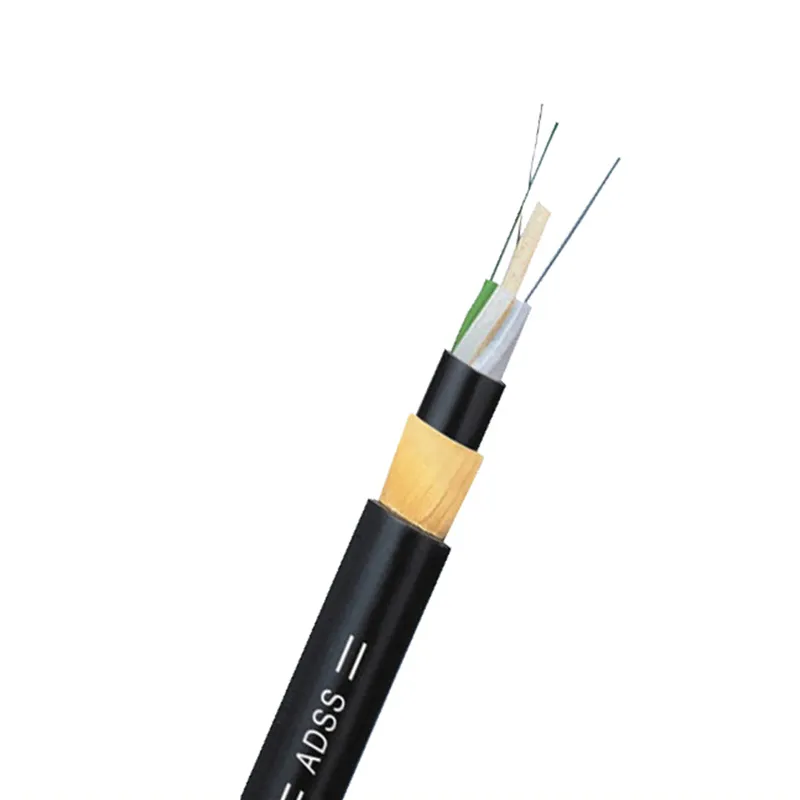
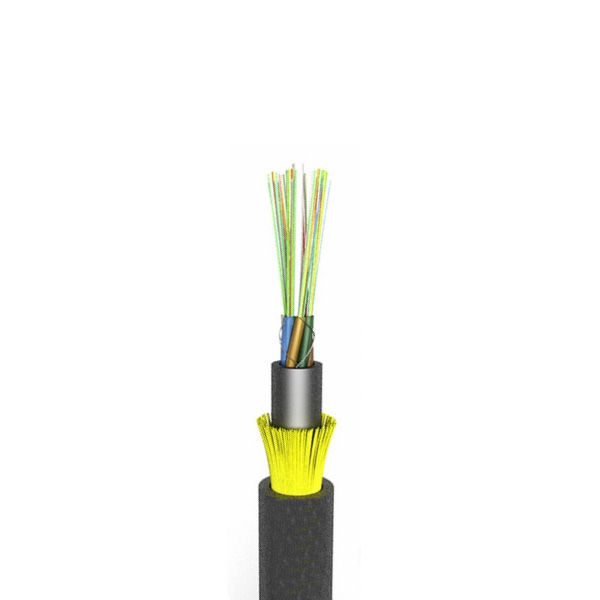
State the intended project environment and the exact cable or assembly specification before asking for a price comparison. Include conductor or fiber identity, construction, jacket, shielding where relevant, ordered lengths, connector combination and packaging. Ask which product and test records apply to the proposed configuration. A picture of a cable family helps identify what to discuss, but it does not prove the ordered length, fire classification, optical result or electrical performance of a shipment. Keep those requirements tied to their actual documentation and acceptance procedures. Provide quantity, destination, private label needs and the target delivery sequence. If the construction, cut schedule or marking changes, preserve the approved revision with the purchase order. The logistics and documentation boundary discussed here supports that supply decision alongside the project technical specification and does not replace it.
To request the actual supply proposal, send the application, product specification, relevant drawing or sample revision, trial and production quantities, destination, documentation and packaging requirements, and target delivery date. Submit these details for a project quotation and identify the technical questions awaiting approval.