


için fiber patch cord hook and loop tie kit supply scope, define the purchasing and acceptance boundary. State whether hook-and-loop ties are included with a fiber patch cord order or supplied as a separate accessory kit. Confirm the actual tie and packaging proposal with the supplier rather than treating a catalog picture as an included bill of materials. This guide addresses kit identity and scope; it gives no tightening instruction, minimum bend radius or claim that an unspecified tie arrangement is suitable for every optical assembly.
Separate the assembly from optional accessories
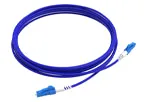
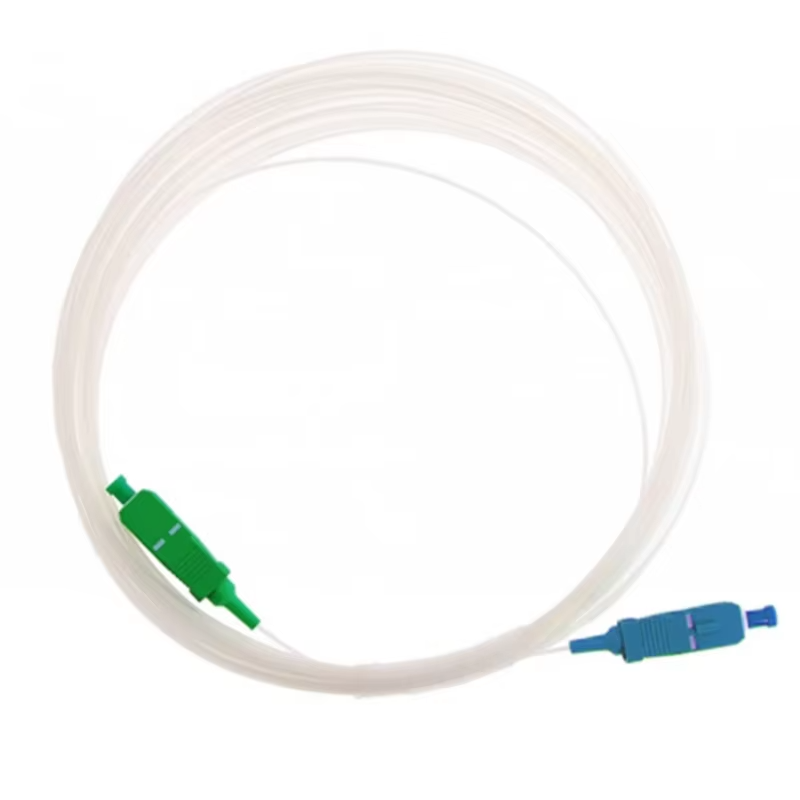
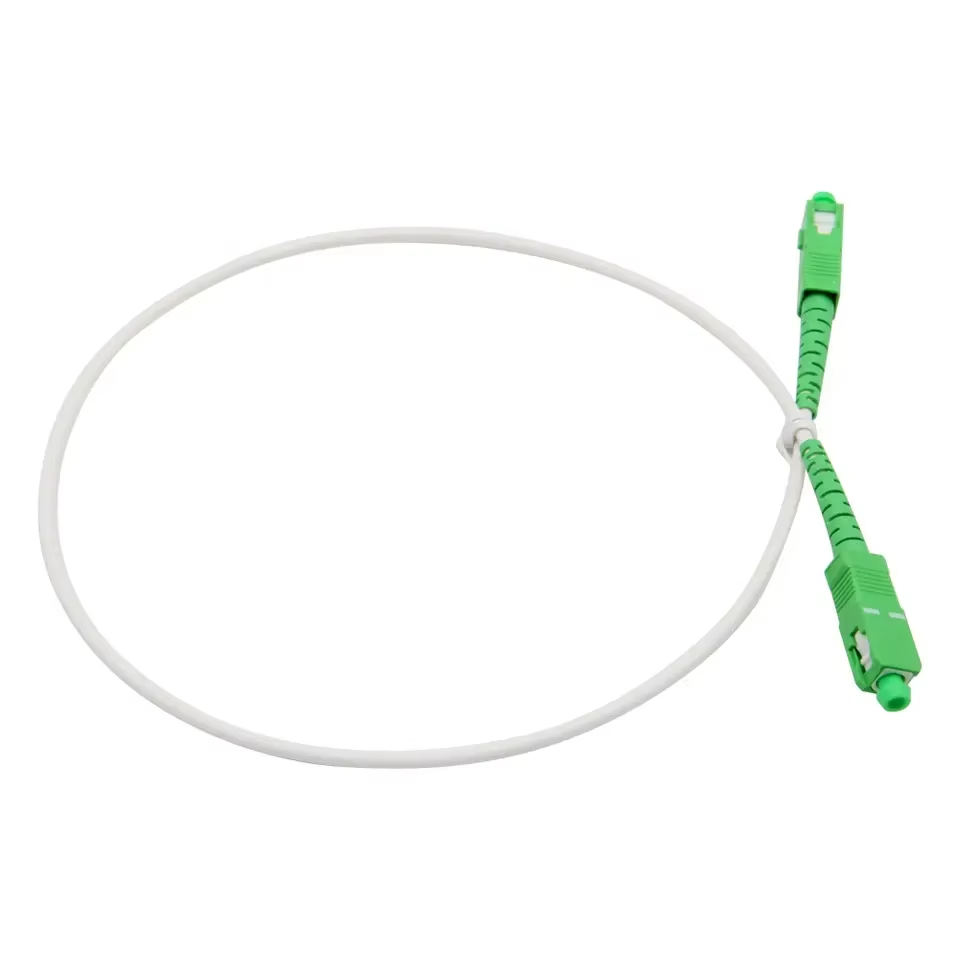
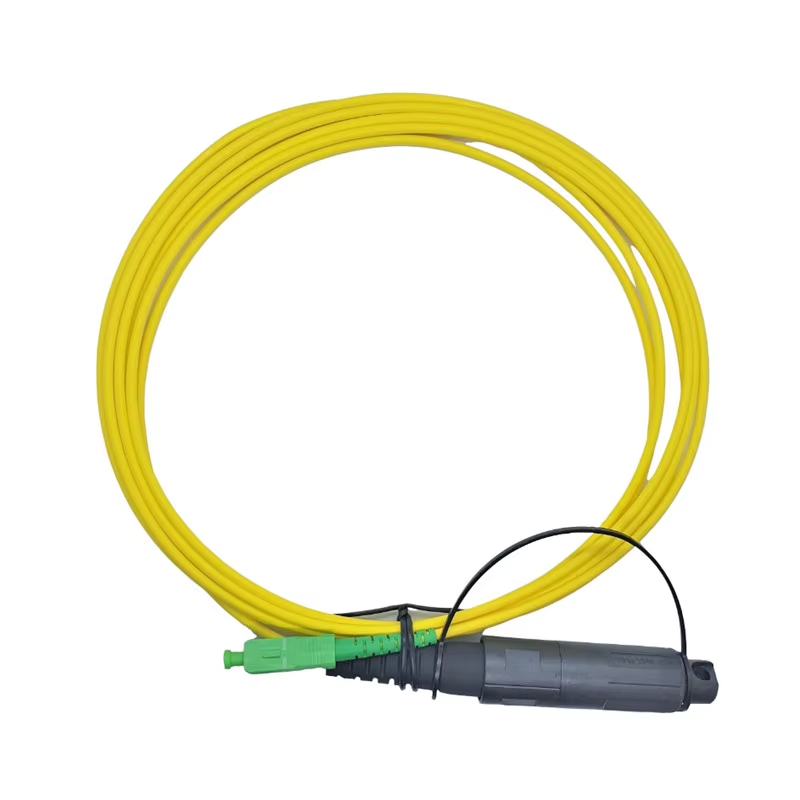
Identify the patch cord by fiber type, connector combination, length and jacket. Ask OWIRE whether ties are offered with that actual assembly and how they are listed. Keep a temporary packing restraint distinct from an accessory intended for later project use. A photograph of a coiled cord shows a product format, not necessarily the contents of the proposed order. Obtain an explicit inclusion or exclusion before comparing unit prices.
Make counts and packaging unambiguous
State whether a kit is allocated per cord, per bag or per shipment. Confirm how many usable ties the buyer expects and how they will be packed or identified. Keep separately priced accessories visible in the offer and delivery record. A total shipment count may not tell an installer which bag contains the agreed kit. Ask for the actual allocation where it matters to receiving, distribution and private label packing.
Specify the requested kit without assuming suitability
Provide the intended use and ask the supplier to identify the offered tie reference, dimensions and any relevant instructions. Let the responsible project team review compatibility with the actual cord and application. Do not invent a universal tie width or fastening force. If the buyer supplies its own accessory, retain that boundary in the order. The component and its accepted use should remain identifiable rather than being reduced to a vague request for reusable straps.
Retain assembly protection and acceptance boundaries
Ask the supplier to confirm how the delivered cord is protected and which optical or other order records accompany it. Keep the accessory count separate from the patch cord acceptance evidence. Provide quantity, destination and schedule in the RFQ, together with any custom length or branding need. A complete tie kit does not prove the cord’s optical performance, and a satisfactory test report does not establish that every agreed accessory was delivered.
Compare the proposed supply and its evidence
| Alıcı ihtiyacı | Önerilen ürün | Temel özellikler | Neden önemli? |
|---|---|---|---|
| identified patch cord and optional tie | Identified project cable configuration | Order-specific scope and responsible reviewer | Connects the record to the item being purchased |
| reviewed accessory reference and use | Identified project cable configuration | Order-specific scope and responsible reviewer | Makes an important comparison condition visible |
| kit quantity and allocation | Identified project cable configuration | Order-specific scope and responsible reviewer | Gözlemi varsayımdan ayırır |
| separate cord and accessory acceptance | Identified project cable configuration | Order-specific scope and responsible reviewer | Kabul edilen teslimat kararını korur |
Tanımlanmış endüstriyel projeler için en iyisi
Tanımlanmış bir proje kablo siparişi hazırlayan mühendislik ekipleri, endüstriyel satın alma yöneticileri ve distribütörler için en iyisi. Başvurusu, miktarı, teknik sahibi ve kabul prosedürü belgelenmiş bir projeye uygundur. Katalog görüntüsünden evrensel ekipman kapasitesi, sabit ticari terim veya doğrulanmış sipariş sonucu çıkarımına uygun değildir. Üretim tedarikini onaylamadan önce teklif edilen konfigürasyonu ve projeye özel kanıtları doğrulayın.
Teklif istemeden önce alıcının soruları
What information should accompany the first RFQ?
Describe the application, destination, proposed configuration, quantity and target delivery date. Include the identified patch cord and optional tie and identify the person who owns technical approval. Send the relevant drawings, process information or specification revision when available. Ask the supplier to return a proposal that distinguishes confirmed requirements from assumptions, exclusions and options, so the industrial purchase can be reviewed against a clear scope.
Does a general catalog establish this acceptance requirement?
A general catalog provides product context and can help identify the family to discuss. It does not establish the reviewed accessory reference and use for the actual order. Ask the supplier to confirm the proposed arrangement and the evidence that will accompany it. Keep product identity, a requested feature, a completed demonstration and the final acceptance decision separate when assessing whether the requirement has been met.
Alıcı hangi belgeleri saklamalıdır?
Retain the accepted technical offer, applicable configuration and revision identities, relevant inspection records and the delivery disposition. Preserve the kit quantity and allocation together with any deviation and its review. The useful record connects an observation with the actual supplied item and requirement. An unrelated brochure, image or unconfirmed numerical claim should not replace the evidence specifically required for the project purchase.
Dokümantasyon ve tedarik kapsamı özelleştirilebilir mi?
Submit the requested documentation, packaging, identification or other supply change with the inquiry. Include the separate cord and accessory acceptance and explain the intended use. Ask OWIRE to confirm feasibility, quantity conditions and the effect on price or delivery in the actual proposal. Keep the agreed revision with the order rather than assuming that every requested customization is standard or already included.
Teknik onay ve teslimat nasıl planlanmalıdır?
Close the technical scope, approval owner and outstanding questions before requesting a firm production commitment. Include the identified patch cord and optional tie, required quantity, destination and target arrival date. Distinguish document review, any agreed evaluation, production completion and transportation. This guide establishes no inventory position, minimum order or fixed lead time; the supplier must confirm those commercial conditions for the actual configuration and project.
Connect this review to the complete project specification
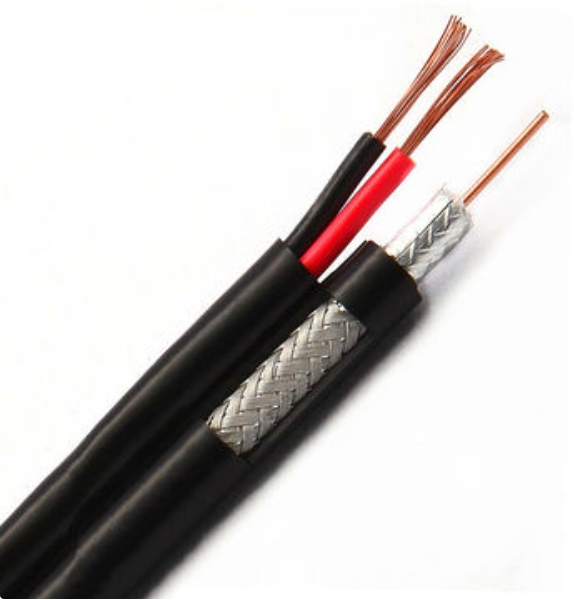
State the intended project environment and the exact cable or assembly specification before asking for a price comparison. Include conductor or fiber identity, construction, jacket, shielding where relevant, ordered lengths, connector combination and packaging. Ask which product and test records apply to the proposed configuration. A picture of a cable family helps identify what to discuss, but it does not prove the ordered length, fire classification, optical result or electrical performance of a shipment. Keep those requirements tied to their actual documentation and acceptance procedures. Provide quantity, destination, private label needs and the target delivery sequence. If the construction, cut schedule or marking changes, preserve the approved revision with the purchase order. The logistics and documentation boundary discussed here supports that supply decision alongside the project technical specification and does not replace it.
Send an identified industrial supply inquiry
For a quotation, provide the application, project country, required quantity, technical specifications, relevant drawings, testing requirements, packaging or OEM needs and target delivery schedule. Identify the unresolved acceptance questions and the person responsible for reviewing the proposal. Contact OWIRE with the project details to request an actual technical and commercial offer. Keep a proposed value clearly labeled until it is confirmed for the supplied configuration.