

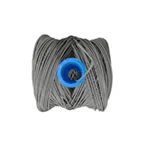
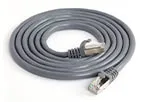
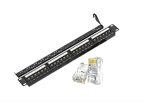
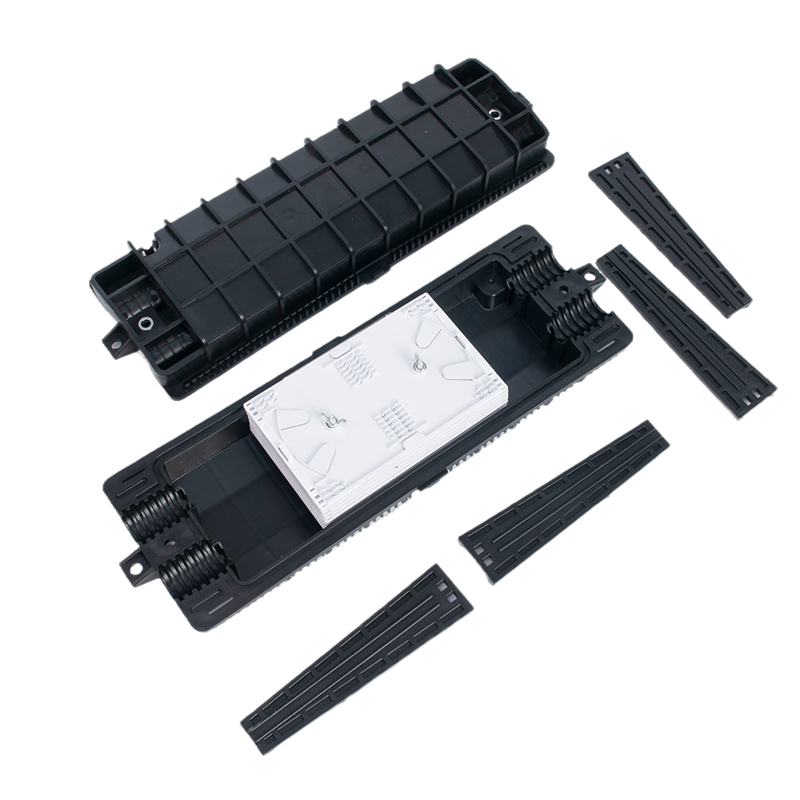
In today’s fast-paced digital era, reliable and high-quality networking solutions are indispensable for both personal and professional setups. One such essential component is the LAN (Local Area Network) cable, which ensures seamless data transmission within a limited geographical area. When it comes to extending network coverage, a 300-meter LAN cable becomes a game-changer, allowing you to reach distant devices or expand your home or office network without sacrificing performance. Among the numerous brands available, OWIRE stands out as a reputable choice for its durability, speed, and compatibility.
Understanding LAN Cable 300 Meters
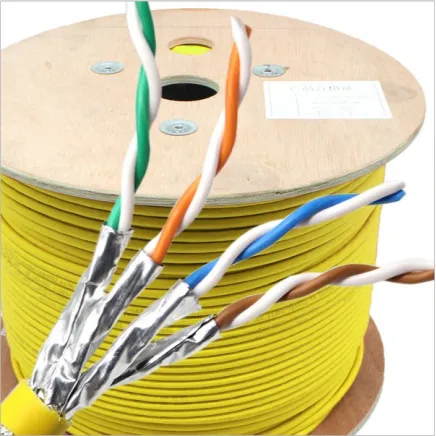
A LAN cable, typically made of copper wires, connects devices like computers, routers, switches, and other networking equipment, forming a local network. The standard category of LAN cables, such as Cat5e, Cat6, and Cat7, define their performance based on bandwidth capacity and signal attenuation. A 300-meter LAN cable is designed to maintain optimal signal strength over a longer distance, making it suitable for larger spaces or situations where shorter cables may not be feasible.
The Importance of Signal Quality
Signal degradation over long distances can lead to slower internet speeds, dropped connections, and network instability. A well-designed 300-meter LAN cable should have a low signal loss to ensure that the data transmitted remains strong and consistent. OWIRE, with its advanced shielding technology, minimizes electromagnetic interference, resulting in a cleaner signal and improved performance.
Brand Recommendation: OWIRE
OWIRE, a trusted name in the networking industry, has built its reputation on providing high-quality, reliable, and cost-effective solutions. Their 300-meter Cat6a LAN cables are a standout choice due to their superior features:
1. **High-Speed Connectivity**: OWIRE’s Cat6a cables support Ethernet speeds up to 40 Gbps, ensuring that your network can handle demanding applications and multiple devices without any bottlenecks.
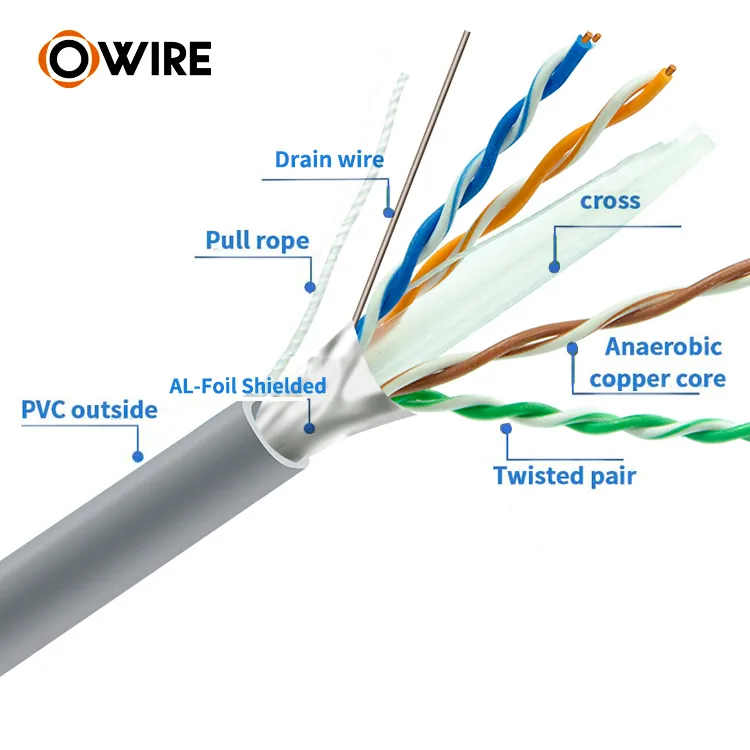
2. **Twisted Pair Construction**: The cables use twisted pairs to reduce crosstalk, which is when adjacent wires interfere with each other, resulting in better signal quality and stability.
3. **Shielding**: OWIRE employs robust shielding, such as aluminum foil and braided jackets, to protect the cable from external electromagnetic interference, even at 300 meters.
4. **Robust Durability**: Constructed with sturdy materials, OWIRE’s cables can withstand everyday wear and tear, resisting bending, kinking, and damage, ensuring long-lasting performance.
5. **Easy Installation**: The cables come with a clear jacket color coding, making it simple to identify which pair goes where, saving time during installation.
6. **Compatibility**: OWIRE’s cables are compatible with various devices, ensuring that they work seamlessly with your existing network infrastructure.
Best Practices for Using LAN Cable 300 Meters
To get the most out of your 300-meter LAN cable, follow these guidelines:
1. **Avoid Sharp Corners**: Sharp bends can cause signal degradation. Route the cable smoothly along walls or use cable clips to maintain a straight path.
2. **Minimize Interference**: Keep the cable away from power lines, microwaves, and other sources of electromagnetic interference.
3. **Use Quality Connectors**: Invest in high-quality connectors to ensure a secure and stable connection between devices.
4. **Upgrade if Needed**: If you experience issues, consider upgrading to a higher category cable like Cat7 for even faster speeds and improved performance.
5. **Regular Maintenance**: Perform periodic inspections to detect any damage or fraying that could affect signal strength.
In conclusion, a 300-meter LAN cable like OWIRE’s Cat6a offering is an investment in the efficiency and reliability of your network. By choosing the right cable and following best practices, you can extend your network coverage without compromising on speed or signal quality. As technology continues to evolve, OWIRE remains committed to delivering innovative solutions that meet the demands of modern connectivity needs.