Ana sayfa > Fiber Optic Cable > Page 10
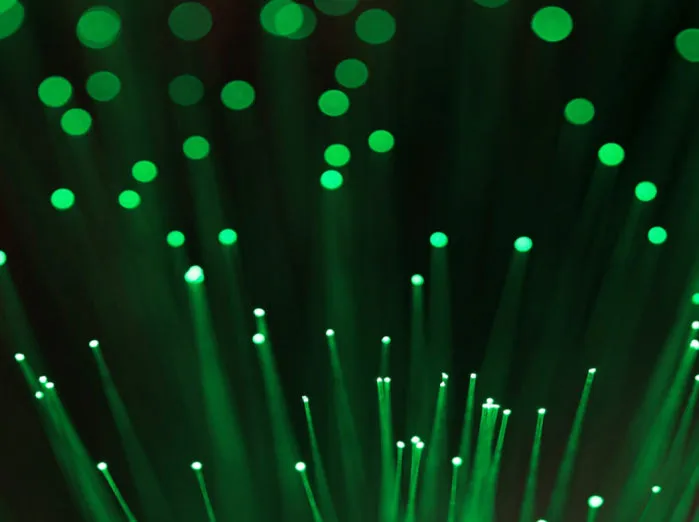
An optical fiber cable is a type of cable that contains one or more optical fibers, which are thin strands of glass or plastic used to transmit light signals over long distances. The fibers are bundled together inside a protective jacket made of materials like PVC or polyethylene.
The core of an optical fiber is extremely thin, typically around the diameter of a human hair, and is surrounded by cladding that has a lower refractive index than the core. This causes light to be reflected inside the core as it travels down the fiber, which allows it to travel long distances without significant loss of signal strength.
·Item Name:gytc8s cable
·Optical Mode:Singlemode/Multimode
·Fiber Diameters:G652, G655, 50/125μm, 62.5/125μm
·Total Fiber Count:2-144
·Bend Radius(Static/Dynamic):10D/20D
·Working Life:More than 25 years
·Application:Aerial self-supporting,Local network,Local network,Long distance network communication.
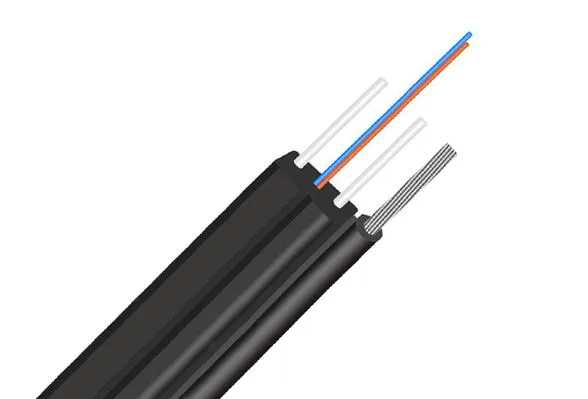
·Embedded strength member provide desirable tensile strength.
·Compact, easy to install.
·UV and moisture-resistant design
Features
·Up to288 fibers.
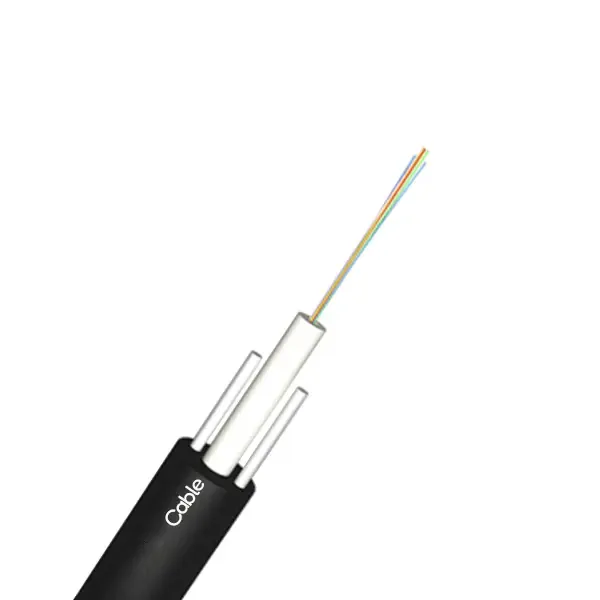
·Loose tube gel-filled construction for superior fiber protection.
·Corrugated steel tape armorto protect cable from mechanical damage and rodent protection.
·UV and moisture-resistant design.
Optical Characteristics
♦Optical cable with Aramid yarns reinforcement
♦For customer connection
♦Fully dielectric cable
♦Last mile connection
♦LAN and FTTX networks
♦Distribution network
♦ODF connections
♦Inside house OLT connection
♦G.657B3optical fiber
♦ Flame retardant TPU sheathing
Features
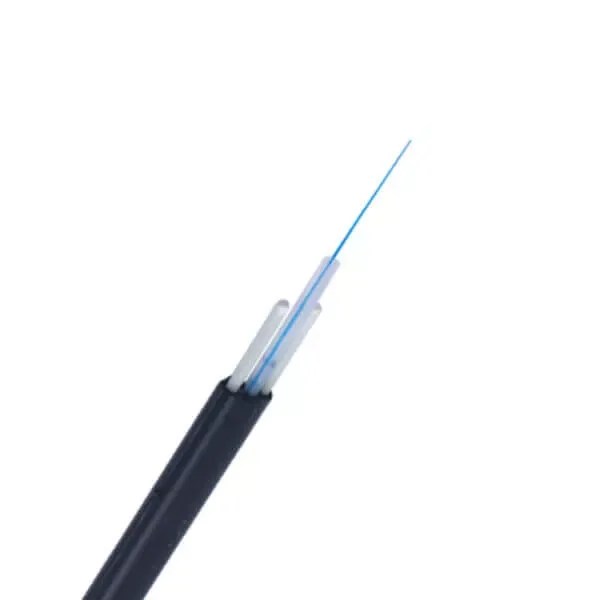
·Uni-tube, small size and diameter, easy to strip for rural area network
·Non armored all dielectric materials, light weight structure for easy
·2 parallel FRP strength member close to the uni-tube, ensures tensile strength
·Excellent crush resistance because of the flat shape jacket • Good mechanical and temperature performance
·PE sheath protects cable from ultraviolet radiation
Higher bandwidth: Optical fiber cables can support much higher data transfer rates than copper cables.
Longer distances: Optical fiber cables can transmit signals over longer distances than copper cables without requiring signal boosters.
Immunity to electromagnetic interference: Because they use light to transmit signals instead of electricity, optical fiber cables are immune to electromagnetic interference from other devices.
Thinner and lighter: Optical fiber cables are thinner and lighter than copper cables, making them easier to install and maintain.
Overall, optical fiber cables are a reliable and efficient way to transmit data over long distances, and are widely used in telecommunications and networking.
The three types of fiber optic cable are single-mode, multimode, and plastic optical fiber (POF).
Single-mode fiber optic cable has a small core diameter (typically 9 microns) that allows only one mode of light to propagate. This type of cable is used for long-distance communications and high-bandwidth applications.
Multimode fiber optic cable has a larger core diameter (typically 50 or 62.5 microns) that allows multiple modes of light to propagate. This type of cable is used for shorter distances and lower bandwidth applications.
Plastic optical fiber (POF) is made of polymer and has a larger core diameter (typically 1mm or larger) than glass fiber. This type of cable is less expensive than glass fiber and is used for short-distance communications and low-speed applications.
Fiber optic cables and HDMI (High-Definition Multimedia Interface) cables are designed for different purposes, so it’s not a question of which is better.
Fiber optic cables are primarily used for transmitting data over long distances and can carry large amounts of data with minimal signal loss. They are commonly used in telecommunications and networking applications, including high-speed internet connections.
HDMI cables, on the other hand, are designed to transmit high-quality audio and video signals between devices over shorter distances. They are commonly used to connect devices such as televisions, Blu-ray players, and gaming consoles to each other.
So if you need to transmit high-quality audio and video over a short distance, HDMI may be the best choice for you. But if you need to transmit large amounts of data over long distances with minimal signal loss, then fiber optic cables may be the better choice.
There is no difference between optical cable and fiber optic cable. “Optical cable” is a general term that refers to any type of cable that uses light to transmit information, while “fiber optic cable” specifically refers to a type of optical cable that uses thin strands of glass or plastic fibers to transmit light signals.
Fiber optic cables are often used in telecommunications and networking applications because they can transmit large amounts of data over long distances with minimal signal loss. They are also immune to electromagnetic interference, making them ideal for use in environments where there is a lot of electrical noise.
Other types of optical cables include plastic optical fiber (POF) which uses plastic fibers instead of glass fibers, and hybrid cables that combine both copper conductors and fiber optic strands in the same cable. These types of optical cables are typically used in shorter-distance applications such as home audio systems, lighting, and automotive sensors.