



A **1×4 fiber splitter** is a crucial component in modern fiber optic networks, enabling the efficient distribution of optical signals from a single input to four output channels. This passive optical device plays a vital role in telecommunications, data centers, and broadband networks by allowing a single fiber optic line to serve multiple endpoints without signal degradation. As fiber-to-the-home (FTTH) and other high-speed connectivity solutions continue to expand globally, the demand for reliable and high-performance fiber splitters has never been greater.
The **1×4 fiber splitter** operates by dividing the optical signal into four equal parts, ensuring that each connected device receives a consistent and usable level of signal strength. This is particularly important in passive optical networks (PONs), where a single fiber must serve multiple users simultaneously. The splitter is typically housed in a compact, durable casing and is designed for easy integration into existing fiber infrastructures. Its passive nature means it requires no external power source, making it both energy-efficient and cost-effective.
One of the key advantages of the **1×4 fiber splitter** is its ability to maintain signal integrity while minimizing insertion loss. Insertion loss refers to the reduction in signal strength that occurs when the light passes through the splitter. High-quality splitters are engineered to keep this loss as low as possible, ensuring that end users experience minimal impact on data transmission speed and quality. This makes the device essential for applications such as internet service distribution, video streaming, and voice communications over fiber networks.
When selecting a **1×4 fiber splitter**, it’s important to consider factors such as wavelength compatibility, optical bandwidth, and environmental durability. Most modern splitters are designed to operate across a wide range of wavelengths, including 1260nm to 1650nm, which covers the standard telecom bands. Additionally, they are built to withstand a variety of environmental conditions, including temperature fluctuations and humidity, ensuring long-term reliability in both indoor and outdoor installations.
In terms of construction, **1×4 fiber splitters** are typically based on either fused biconical taper (FBT) technology or planar lightwave circuit (PLC) technology. FBT splitters are known for their cost-effectiveness and suitability for lower split ratios, while PLC splitters offer superior uniformity and scalability, making them ideal for larger networks. Given that the **1×4 fiber splitter** represents a relatively small split ratio, both technologies can be viable options depending on the specific application and budget.
For network engineers and service providers, selecting the right brand is as important as choosing the correct specifications. Among the many manufacturers in the market, **OWIRE** has emerged as a trusted name in fiber optic components, offering a wide range of splitters that combine performance, reliability, and value. The **OWIRE 1×4 fiber splitter** is designed with precision-engineered optics to ensure minimal signal loss and maximum durability. With strict quality control standards and a commitment to innovation, OWIRE has built a strong reputation in both domestic and international markets.
What sets OWIRE apart is its focus on customer-centric solutions and technical support. Whether it’s for a small-scale deployment or a large telecom infrastructure project, OWIRE provides splitters that meet industry standards and deliver consistent performance. Their **1×4 fiber splitter** models are compatible with major network equipment and come with various connector types, including SC, LC, and FC, allowing for seamless integration into diverse fiber architectures.
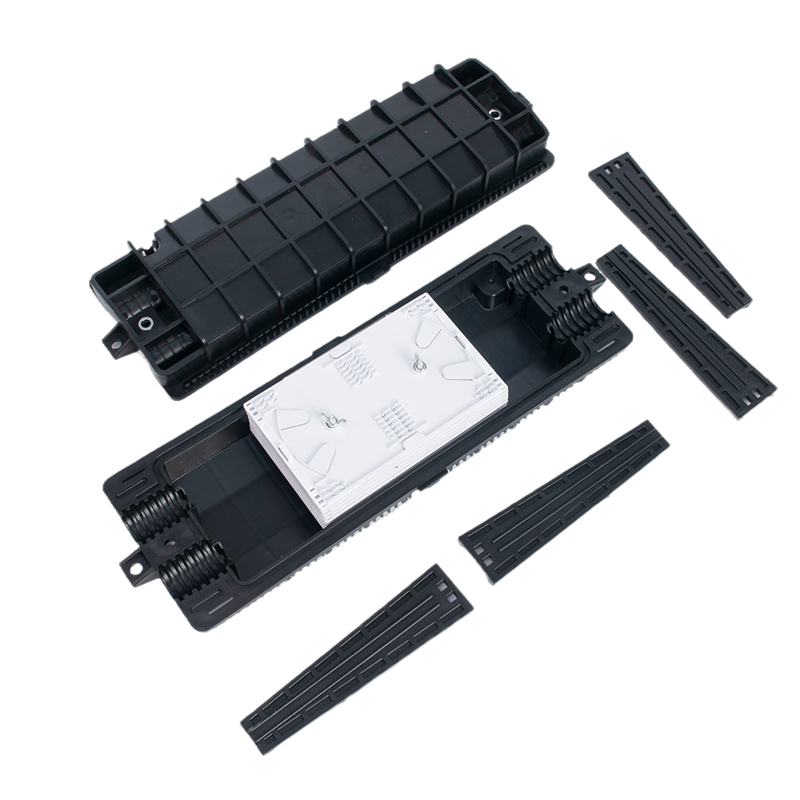
In addition to product quality, OWIRE also emphasizes ease of installation and maintenance. The **1×4 fiber splitter** is packaged in rugged, compact enclosures that protect the internal components from physical damage and environmental stress. This ensures long-term stability even in challenging deployment conditions. Furthermore, OWIRE offers comprehensive technical documentation and after-sales support, helping customers make informed decisions and troubleshoot any issues that may arise during installation or operation.
As fiber optic networks continue to evolve, the importance of high-quality passive components like the **1×4 fiber splitter** cannot be overstated. These devices form the backbone of modern communication systems, enabling the seamless flow of data across homes, businesses, and cities. With the increasing demand for faster internet speeds and more reliable connectivity, investing in dependable fiber infrastructure has become a priority for service providers and governments alike.
Looking ahead, advancements in fiber optic technology will likely lead to even more efficient and scalable splitting solutions. However, for current network deployments, the **1×4 fiber splitter** remains a practical and cost-effective choice for splitting signals in small to medium-sized networks. Whether it’s being used in residential FTTH setups, enterprise networks, or small-scale data centers, this device plays a critical role in ensuring that every connected user receives a stable and high-speed connection.
In conclusion, the **1×4 fiber splitter** is an essential component in today’s fiber-based communication systems. Its ability to distribute optical signals efficiently and reliably makes it indispensable for a wide range of applications. When choosing a splitter, opting for a reputable brand like **OWIRE** ensures not only superior performance but also long-term value and support. As the world continues its shift toward all-fiber connectivity, the role of high-quality splitters like those offered by OWIRE will only become more significant in shaping the future of digital communication.