

Fixing a broken fiber optic cable requires precision, proper tools, and sometimes specialized skills. Here are the steps to repair a broken fiber optic cable:
1. Identify the Break
- Use a Visual Fault Locator (VFL) or an Optical Time Domain Reflectometer (OTDR) to pinpoint the exact location of the break in the fiber.
- Inspect the cable visually if the break is apparent (e.g., if the cable has been visibly damaged or cut).
2. Prepare the Tools and Workspace
- Gather fiber optic repair tools like fiber optic cleaver, splicing machine, fiber optic connectors (if needed), and protective tubing.
- Ensure your workspace is clean and free of dust to avoid contaminating the fiber ends during splicing.
3. Cut and Clean the Broken Ends
- Cut out the damaged section of the cable using fiber optic cutters.
- Strip off the outer jacket and buffer coatings on both ends, leaving only the bare fiber exposed.
- Clean the exposed fiber ends with isopropyl alcohol to remove any debris or contaminants.
4. Splicing the Fiber
- Mechanical Splice: For simpler repairs, align the two fiber ends in a mechanical splice. Insert them into a splice holder with index-matching gel to reduce signal loss.
- Fusion Splice (Recommended): Use a fusion splicing machine to fuse the two ends together. This method provides a more reliable connection with lower signal loss.
5. Protect the Splice
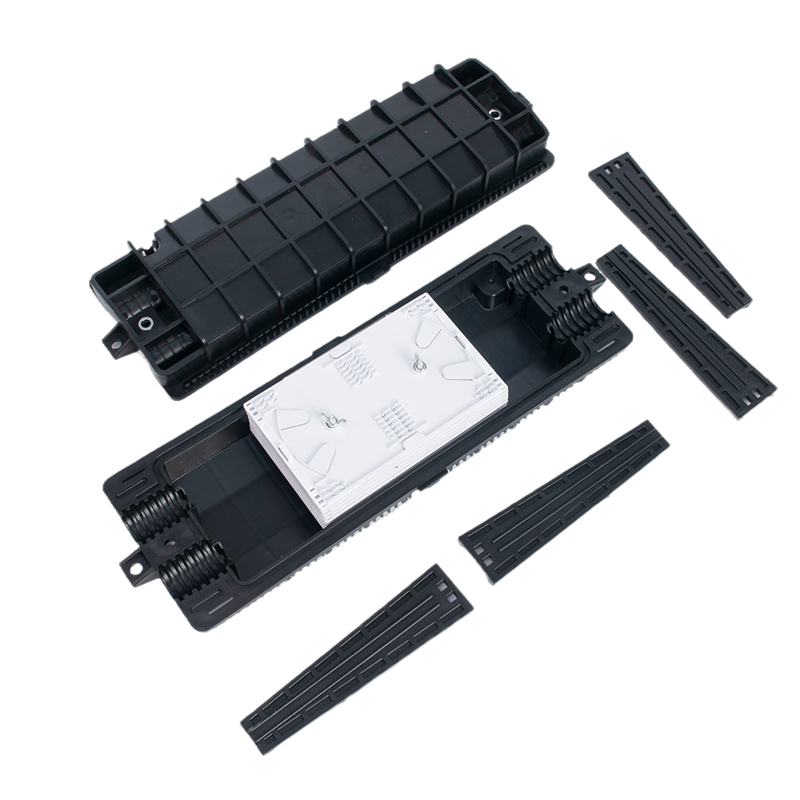
- Use a heat-shrink tube or protective sleeve over the spliced area to secure and protect it.
- If you used a fusion splicing machine, most have built-in protective sleeves that you can heat-shrink over the splice.
6. Test the Cable
- Once the repair is complete, test the cable with an Optical Power Meter or an OTDR to ensure signal quality.
- Verify that there’s no significant signal loss, as this could indicate a poor splice connection.
7. Reinforce and Secure the Cable
- Reinforce the repaired section if it’s exposed to movement or possible strain. Use a protective casing or conduit if needed to prevent further damage.
Note: When to Replace Instead of Repairing
- If the cable is severely damaged or the break occurs in a highly accessible area, it might be more cost-effective to replace the entire section rather than repair it.