


Solar PV DC Cable Supplier For Desert Tracker Array Combiner Harnesses
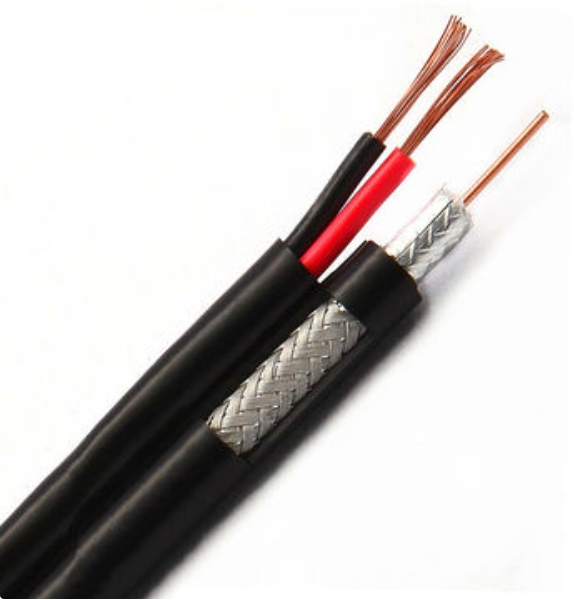
solar PV DC cable supplier for desert tracker array combiner harnesses نہ صرف ایک کیٹلاگ نام کے طور پر، ایک پروکیورمنٹ آئٹم کے طور پر جانچا جانا چاہیے۔ OWIRE کیبل کے لیے، عملی سوال یہ ہے کہ آیا سولر PV DC کیبل سپلائر خریدار کی درخواست کی شرائط، معائنہ کی توقعات، آرڈر کی مقدار، پیکنگ پلان، اور دوبارہ سپلائی کے شیڈول سے میل کھاتا ہے۔ ویب سائٹ بنیادی ڈھانچے کی خریداری کے لیے فائبر آپٹک، نیٹ ورک، کنٹرول، آلات سازی، شمسی اور پروجیکٹ کیبلز فراہم کرتی ہے۔
حصولی کے درد کے پوائنٹس
PV پراجیکٹ کے خریداروں کو یووی مزاحم ڈی سی کیبل کی ضرورت ہے جس میں انسٹالیشن کی پیشن گوئی کی جاتی ہے، لیکن وولٹیج کی درجہ بندی، کنڈکٹر کا سائز، جیکٹ، سرٹیفیکیشن، کنیکٹر پلان، اور ریل لاجسٹکس کو نظر انداز کیا جا سکتا ہے۔ بہت سے خریدار پہلے فوری قیمت کی درخواست کرتے ہیں، لیکن ایک مفید کوٹیشن کام کرنے والے ماحول، تفصیلات کی حدود، توثیق کے عمل، اور شپمنٹ پلان پر منحصر ہے۔ اگر یہ تفصیلات غائب ہیں، تو آرڈر کو قابل گریز نمونے کی تبدیلیوں، منظوری میں تاخیر، غلط پیکیجنگ، یا دوبارہ بیچ کی تبدیلی کا سامنا کرنا پڑ سکتا ہے۔
خریدار اور ایپلیکیشن فٹ
Typical buyers include EPC contractors, network integrators, electrical distributors, security installers, telecom teams, and infrastructure procurement teams. The application scenario for this article is desert solar tracker array combiner harnesses exposed to UV, heat, mechanical pull, and long outdoor cable routes. This requirement is best for project buyers that can define structure, conductor or fiber specification, installation route, fire rating, reel length, and test documentation. It is not suitable for buyers who only need a consumer patch cable or cannot define installation environment, rating, length, or test standard.
Parameter Checklist
Before confirming solar PV DC cable supplier, compare these parameters carefully:
- cable type, structure, conductor or fiber specification, and core count
- shielding, armor, jacket material, voltage or optical performance, and tensile requirement
- installation route, conduit or tray condition, indoor/outdoor exposure, and bending limits
- fire rating, smoke requirement, UV or oil resistance, and project standard
- test standard, labeling, reel length, packing, and batch traceability
- quantity, destination, delivery schedule, distributor stock plan, and documentation
A serious RFQ should connect these parameters with the actual line, route, device, or project site. For replacement or fleet procurement, add current product photos, drawings, labels, route data, installation limits, and the expected annual demand.
Quality Control And Delivery Evidence
Quality review should include conductor or fiber verification, attenuation or electrical testing, jacket and marking checks, fire-rating documentation, reel and packing inspection, and batch traceability. Ask the supplier to confirm what can be checked before shipment and what should be validated during the first sample or pilot batch. For project orders, it is also useful to define the acceptance method, inspection documents, packing marks, spare-parts list, and responsibility for after-sales questions.
Practical Selection Workflow
Start with the use case and risk points, then shortlist the specification. Next, request a sample or pilot quantity if the project needs validation. After the sample is approved, lock the specification, packaging, label format, and delivery schedule. This workflow helps procurement teams avoid changing the product after price negotiation has already started.
RFQ Details To Send
For an infrastructure cable RFQ, send the cable type, route, environment, conductor/fiber count, shielding or armor requirement, fire rating, standard, reel length, quantity, labeling needs, and destination. Include target quantity, destination, required delivery date, packaging preference, documentation needs, and whether this is a trial, urgent replacement, distributor stock order, or repeat production program.
اکثر پوچھے گئے سوالات
What should be confirmed before asking for price?
Confirm structure, conductor or fiber specification, core count, jacket, shielding, armor, voltage or optical rating, fire rating, route, reel length, and test documents.
How can the buyer reduce approval risk?
Use project samples or a pilot reel to check pulling, termination, labeling, test results, bend radius, and documentation before full-batch release.
What information helps repeat orders stay consistent?
Keep the approved cable drawing, marking text, test standard, reel length, packing label, batch number, and spare quantity for repeat procurement.
CTA
Send the application details, specification target, trial quantity, destination, and quality document requirements to the supplier team so the quotation can be matched to the real B2B purchasing scenario.
Additional Procurement Notes
For project procurement, the final comparison should include cable construction, conductor or fiber count, jacket, shielding or armor, fire rating, route length, reel plan, labeling, and test documentation. Buyers should also share whether the cable will be pulled through conduit, trays, outdoor routes, cabinets, or exposed service areas. This makes the quotation useful for installation teams, not just purchasing records.
Supplier Communication Checklist
Before release, confirm one responsible contact for technical review, one contact for quotation and delivery, and one contact for after-sales follow-up. Ask whether the supplier can support sample confirmation, specification locking, packing marks, export documents, and future repeat orders under the same approved requirements. This keeps engineering, purchasing, and operations aligned after manual backend publishing is completed.