


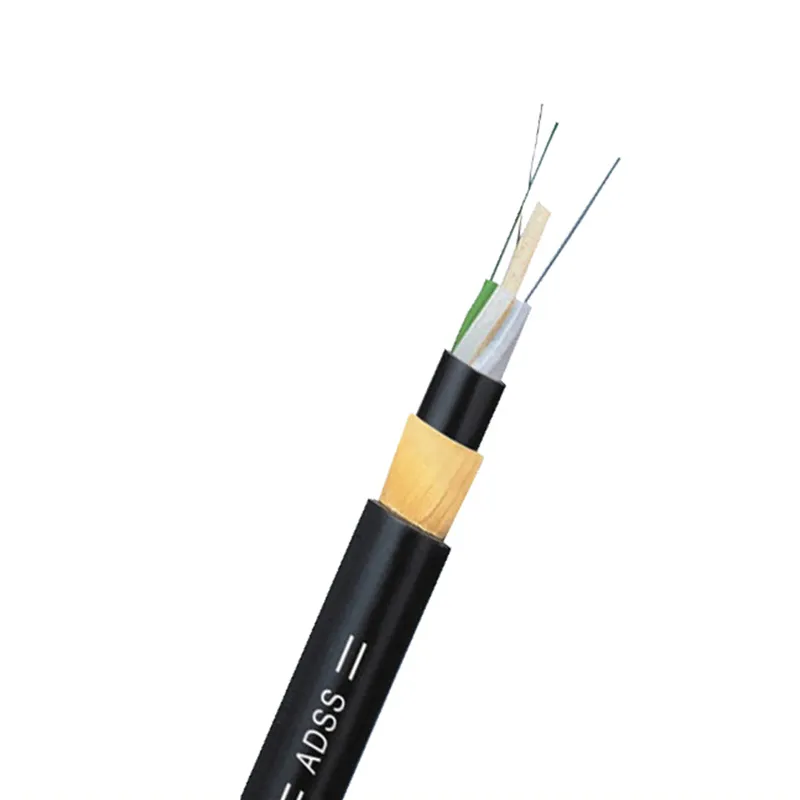
cho ADSS cable drum tail fastening handover, define the purchasing and acceptance boundary. Agree how an ADSS cable drum tail is identified and secured for delivery, then define the handover responsibility for its release. Start with the actual drum and cable proposal rather than a general cable photograph. This guide concerns transport packing and procurement scope. It does not prescribe a fastening method, removal sequence, pulling tension or installation procedure for an aerial cable project.
Identify the relevant cable end and drum
State the cable construction, length, drum reference and the end being discussed. Ask OWIRE how that end is identified in the proposed delivery arrangement. Keep an outer accessible end distinct from an inner end or another termination. A drum label and a cable end marking answer different identification questions. The accepted packing record should allow the receiving team to relate the secured tail to the correct drum without relying on cable color alone.
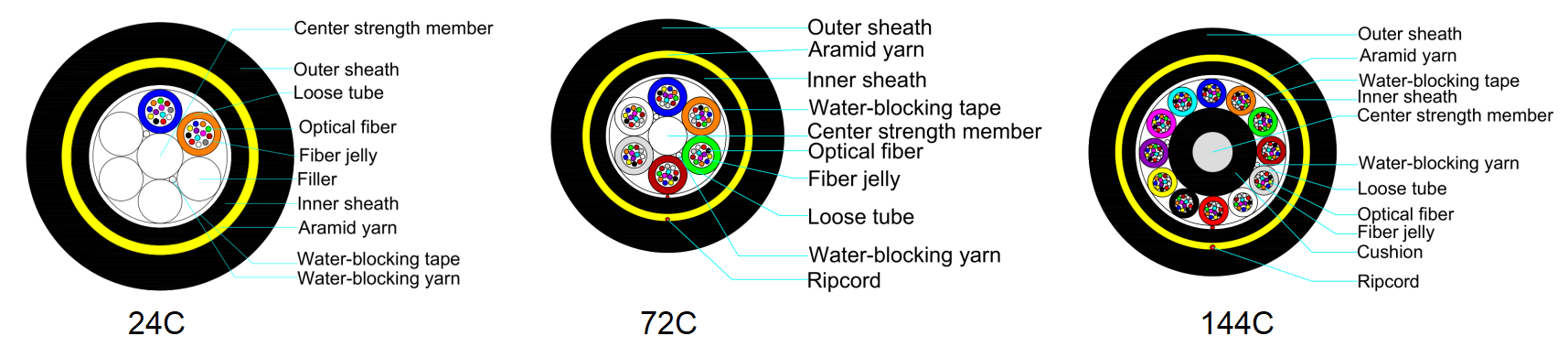
Request the confirmed transport fastening scope
Ask the supplier to describe the proposed securing arrangement and the protective items included. Keep temporary transport restraints distinct from cable construction and installed accessories. Let the supplier and qualified project owner review the arrangement for the actual delivery. Do not specify a substitute fastening merely because it resembles a previous shipment. A photograph can support identification, but the order should retain the confirmed scope and applicable handling instructions.
Allocate the release and inspection responsibility
Identify which party receives the drum and who owns the authorized unpacking and preparation procedure. Ask how an unclear restraint, damaged tail or missing end identification should be reported. Preserve the observation before disposition. This article does not authorize cutting a restraint or pulling an unidentified end. Procurement should ensure that the project team has the actual supplier instructions and a clear contact for discrepancies before the drum moves into installation work.
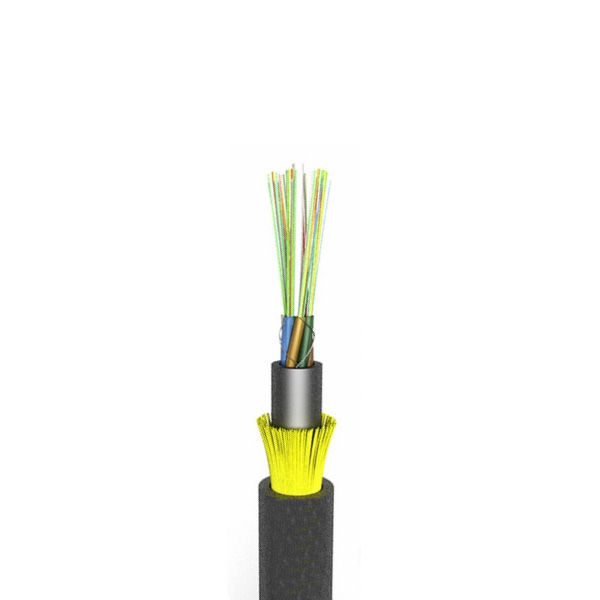
Keep the end condition separate from supply acceptance
Confirm ordered length, cable test documentation, quantity, destination and delivery sequence in the RFQ. Ask which packing and end-condition records accompany the shipment. A secured tail is one part of the delivery scope; it does not prove optical performance or define the project’s installation parameters. Retain the receiving disposition and any supplier clarification with the drum identity so that later project records do not lose the original delivery boundary.
Compare the proposed supply and its evidence
| Người mua cần | Sản phẩm được đề xuất | Thông số kỹ thuật chính | Tại sao nó quan trọng |
|---|---|---|---|
| cable end and drum identification | Identified project cable configuration | Order-specific scope and responsible reviewer | Connects the record to the item being purchased |
| confirmed transport fastening arrangement | Identified project cable configuration | Order-specific scope and responsible reviewer | Makes an important comparison condition visible |
| authorized release responsibility | Identified project cable configuration | Order-specific scope and responsible reviewer | Tách biệt quan sát khỏi giả định |
| separate cable test and packing evidence | Identified project cable configuration | Order-specific scope and responsible reviewer | Giữ nguyên quyết định giao hàng đã được chấp nhận |
Tốt nhất cho các dự án công nghiệp được xác định
Tốt nhất cho các nhóm kỹ thuật, người quản lý mua hàng công nghiệp và nhà phân phối đang chuẩn bị đơn đặt hàng cáp dự án đã xác định. Thích hợp cho một dự án có hồ sơ đăng ký, số lượng, chủ sở hữu kỹ thuật và quy trình nghiệm thu. Không phù hợp để suy ra khả năng của thiết bị phổ quát, thuật ngữ thương mại cố định hoặc kết quả đơn hàng đã được xác minh từ hình ảnh danh mục. Xác nhận cấu hình được cung cấp và bằng chứng cụ thể của dự án trước khi phê duyệt nguồn cung sản xuất.
Câu hỏi của người mua trước khi yêu cầu báo giá
Thông tin gì nên đi kèm với RFQ đầu tiên?
Describe the application, destination, proposed configuration, quantity and target delivery date. Include the cable end and drum identification and identify the person who owns technical approval. Send the relevant drawings, process information or specification revision when available. Ask the supplier to return a proposal that distinguishes confirmed requirements from assumptions, exclusions and options, so the industrial purchase can be reviewed against a clear scope.
Danh mục chung có thiết lập yêu cầu chấp nhận này không?
A general catalog provides product context and can help identify the family to discuss. It does not establish the confirmed transport fastening arrangement for the actual order. Ask the supplier to confirm the proposed arrangement and the evidence that will accompany it. Keep product identity, a requested feature, a completed demonstration and the final acceptance decision separate when assessing whether the requirement has been met.
Người mua nên giữ lại những tài liệu nào?
Retain the accepted technical offer, applicable configuration and revision identities, relevant inspection records and the delivery disposition. Preserve the authorized release responsibility together with any deviation and its review. The useful record connects an observation with the actual supplied item and requirement. An unrelated brochure, image or unconfirmed numerical claim should not replace the evidence specifically required for the project purchase.
Can the documentation and supply scope be customized?
Submit the requested documentation, packaging, identification or other supply change with the inquiry. Include the separate cable test and packing evidence and explain the intended use. Ask OWIRE to confirm feasibility, quantity conditions and the effect on price or delivery in the actual proposal. Keep the agreed revision with the order rather than assuming that every requested customization is standard or already included.
How should technical approval and delivery be scheduled?
Close the technical scope, approval owner and outstanding questions before requesting a firm production commitment. Include the cable end and drum identification, required quantity, destination and target arrival date. Distinguish document review, any agreed evaluation, production completion and transportation. This guide establishes no inventory position, minimum order or fixed lead time; the supplier must confirm those commercial conditions for the actual configuration and project.
Connect this review to the complete project specification
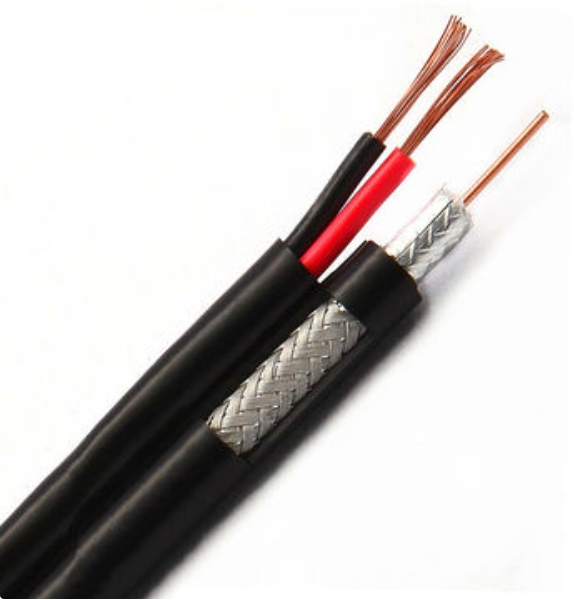
State the intended project environment and the exact cable or assembly specification before asking for a price comparison. Include conductor or fiber identity, construction, jacket, shielding where relevant, ordered lengths, connector combination and packaging. Ask which product and test records apply to the proposed configuration. A picture of a cable family helps identify what to discuss, but it does not prove the ordered length, fire classification, optical result or electrical performance of a shipment. Keep those requirements tied to their actual documentation and acceptance procedures. Provide quantity, destination, private label needs and the target delivery sequence. If the construction, cut schedule or marking changes, preserve the approved revision with the purchase order. The logistics and documentation boundary discussed here supports that supply decision alongside the project technical specification and does not replace it.
Send an identified industrial supply inquiry
For a quotation, provide the application, project country, required quantity, technical specifications, relevant drawings, testing requirements, packaging or OEM needs and target delivery schedule. Identify the unresolved acceptance questions and the person responsible for reviewing the proposal. Contact OWIRE with the project details to request an actual technical and commercial offer. Keep a proposed value clearly labeled until it is confirmed for the supplied configuration.