


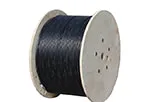
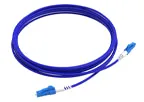
Armored fiber optic cable for aquaculture pond aeration station monitoring networks
To source armored fiber optic cable for aquaculture pond aeration station monitoring networks, first define the operating conditions, the interfaces and the evidence needed to approve a representative sample. Map pulling sections, wet zones, vibration and termination enclosures. Specify fiber count, armor and jacket and compare reel attenuation records with completed-link tests. The relevant offering is network and fiber optic cables; suitability depends on the selected configuration and the buyer’s acceptance requirements. Use the product information to shortlist an option, then ask for confirmation against the project specification before committing to recurring supply.

Define a repeatable stock configuration
Group demand by functional configuration before setting stocking quantities. Products that look alike can require different interfaces, labels or accessories. Build a clear stock record containing the approved specification and the customers it can serve. Keep exceptional project versions separate from the regular replenishment range so that warehouse staff do not substitute them by appearance.
Ask how the supplier identifies production revisions and replacement compatibility. A small initial order can establish the receiving checks, packing format and technical information needed for resale. Review whether your service team can identify the correct item from the label and support the first installation. Use actual demand and replacement experience to set reorder levels; an attractive bulk discount is not enough to justify carrying an unqualified configuration.
Receiving evidence for repeat stock orders
Request conductor/fiber verification, attenuation or electrical testing, jacket and marking checks, fire rating documentation, reel/packing inspection, batch traceability as applicable to the offered configuration. These are checks to agree with the supplier, not a statement that a particular batch has already passed. Match each requested record to the relevant purchase requirement and ask how the delivered lot will be identified.
Before shipment, review the packing arrangement and included accessories against the order. At receiving, check identification, visible condition and the agreed critical features. Record discrepancies with photographs and the affected lot reference so that the supplier can investigate the exact delivery. Keep unresolved deviations open until the authorized approver accepts the proposed disposition.
Where this configuration belongs
Best for: teams buying network and fiber optic cables against a defined industrial application and a documented acceptance requirement. Suitable for: EPC contractors, network integrators, electrical distributors, security installers, telecom and infrastructure procurement teams. A trial order is useful when the working conditions or interfaces still need validation.
Not suitable for: a purchase based only on appearance, an undocumented substitution or an application outside the confirmed operating limits. Individual retail inquiries without a technical requirement are unlikely to provide enough information for a project quotation. Confirm the specific model before making performance or compliance commitments to an end customer.
Qualify the first stocking configuration
Consider a buyer evaluating armored fiber optic cable for aquaculture pond aeration station monitoring networks. This is a planning scenario, not a reported customer result. Map pulling sections, wet zones, vibration and termination enclosures. Specify fiber count, armor and jacket and compare reel attenuation records with completed-link tests. Keep a record of the starting condition and the proposed acceptance limit. The trial should produce a clear approval, rejection or request for additional information.
If the sample needs a change, state which requirement it failed and update the controlled specification before requesting another sample. Retain the accepted sample identity, test setup and approval date. These records help the next buyer, installer or receiving inspector understand what was agreed without repeating the qualification work.
SKU limits and compatibility checks
For armored fiber optic cable for aquaculture pond aeration station monitoring networks, establish cable structure, fiber/conductor specification, core count, shielding, jacket, tensile strength, installation environment, fire rating, test standard, reel length, quantity. Enter required values in the RFQ and distinguish them from supplier-proposed values. Where a limit is not yet known, identify the test or project input needed to close it; leaving an empty field is better than turning an assumption into a requirement.
| Người mua cần | Sản phẩm được đề xuất | Thông số kỹ thuật chính | Tại sao nó quan trọng |
| Ứng dụng phù hợp | network and fiber optic cables | cấu trúc cáp, đặc điểm kỹ thuật sợi/dây dẫn, số lượng lõi | Thiết lập ranh giới so sánh cơ bản |
| Phê duyệt giao diện | Application-matched network and fiber optic cables | che chắn, áo khoác, độ bền kéo | Giảm sự không chắc chắn về lắp đặt và trình độ chuyên môn |
| Cung cấp lặp lại | Approved network and fiber optic cables configuration | môi trường lắp đặt, mức độ cháy, tiêu chuẩn kiểm tra, chiều dài cuộn, số lượng | Giữ việc giao hàng sau này gắn liền với phạm vi được chấp nhận |
Can one stock item cover every customer application?
Only where the approved operating limits and interfaces overlap. Keep a documented compatibility boundary and route exceptions through technical review. A single broad catalog description should not conceal different installation needs, inspection requirements or replacement parts.
Câu hỏi trước khi đặt hàng
Thông tin nào làm cho trích dẫn đầu tiên hữu ích?
Provide the application, quantity, destination and required delivery date together with cable structure, fiber/conductor specification, core count. Attach the relevant drawing, layout or operating record. Identify any mandatory acceptance limit and name the person who can answer technical questions. Ask the supplier to return assumptions and exclusions with the offer so the commercial team can compare the same scope.
How should the proposed configuration be approved?
Compare it against the actual operating conditions rather than the product name alone. Review shielding, jacket, tensile strength and clarify any missing interface information. Use a representative sample or trial where the result cannot be established from existing documentation. Record the approved configuration and the acceptance evidence together; later changes should be checked against that record before a repeat order is released.
Which quality evidence should accompany the order?
Ask for records relevant to the selected configuration, including conductor/fiber verification, attenuation or electrical testing, jacket and marking checks. Agree the sample size, acceptance method and document revision before production. A general brochure or unrelated report does not establish that the delivered batch meets the purchase specification. At receiving, connect the supplied documents to the lot identification and inspect the features that control application fit.
Can packaging or project details be customized?
Submit the requested label, packing, interface or documentation changes with the inquiry. Ask the supplier to confirm feasibility, order quantity and the effect on approval or delivery before treating the request as included. Keep the accepted changes in the controlled order specification. For recurring supply, define how the customized version will be identified and how replacements will be distinguished from standard items.
Khi nào ngày giao hàng có thể được xác nhận?
Yêu cầu một lịch trình gắn liền với việc phê duyệt thông số kỹ thuật, chấp nhận mẫu và các điều khoản thương mại đã thỏa thuận. Tách biệt việc hoàn thành sản xuất với việc vận chuyển và đến nơi đến. Nêu rõ thời hạn lắp đặt và các hạn chế tiếp nhận, sau đó yêu cầu nhà cung cấp xác định các yếu tố phụ thuộc. Hướng dẫn lựa chọn này không thiết lập thời gian thực hiện cố định; báo giá cần xác nhận tiến độ cho cấu hình và số lượng thực tế.
Chi tiết RFQ và trách nhiệm phê duyệt
Provide the target customer applications, proposed stock configurations, first order and forecast demand. Include carton labels, resale documentation, replacement identification and the receiving checks needed for repeat shipments.
- What is the intended application and which operating condition is most demanding?
- What trial quantity and first production quantity are needed?
- Which measurements decide acceptance, and who approves the result?
- What destination, packing format and arrival date must the offer cover?
- Which customization, documentation or replacement requirements are mandatory?

Request a channel supply and replenishment offer
Contact the project team with the completed requirement package. Include cable structure, fiber/conductor specification, core count, shielding and the planned order quantity. Ask for the offered configuration, deviations, relevant inspection evidence and a schedule tied to approval. Review the product range and company website when preparing the inquiry.