
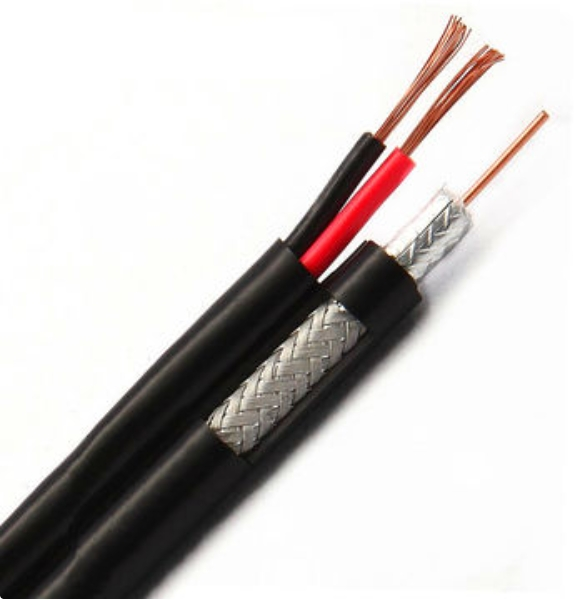
Optical Fiber Cable Manufacturers: A Comprehensive Guide to High-Quality Connectivity
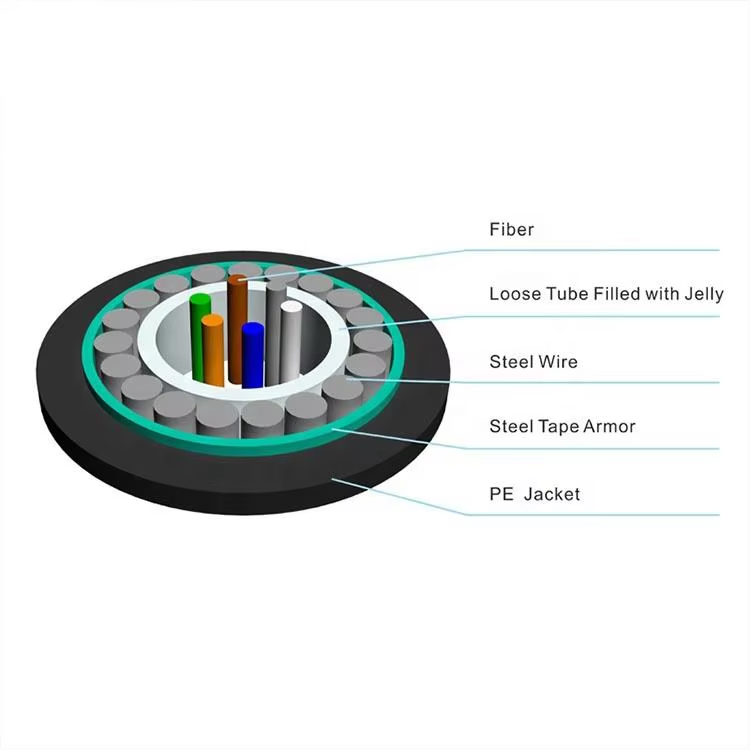
In today’s digital age, reliable and high-speed communication networks have become indispensable for businesses, governments, and individuals alike. Optical fiber cables, with their unparalleled bandwidth and immunity to electromagnetic interference, have emerged as the backbone of these networks. As a result, optical fiber cable manufacturers play a pivotal role in shaping the future of connectivity. Among them, OWIRE stands out as a leading brand that delivers innovative solutions with a commitment to quality and performance.
The Evolution of Optical Fiber Cables
The history of optical fiber cable manufacturing dates back to the late 1960s when researchers first developed glass fibers capable of transmitting light signals. Initially, these cables were bulky and expensive, but advancements in technology have significantly improved their design, making them thinner, more flexible, and cost-effective. Modern optical fiber cables come in various forms, including single-mode (SMF), multi-mode (MMF), and dispersion-shifted fibers, each tailored to specific applications.
Manufacturing Process: A Glimpse Inside
Optical fiber cable manufacturers like OWIRE follow a rigorous process to create high-quality products. The process begins with the selection of raw materials, typically silica-based glass, which is drawn into thin strands called preforms. These preforms are then subjected to chemical treatments to enhance their refractive index profile, enabling efficient light transmission.
Next, the preforms are clad with a protective layer to isolate the core from external influences. This cladding is usually made of a material with a lower refractive index, creating a boundary that confines the light beam. The finished core and cladding are then combined, forming the optical fiber. The entire assembly is further protected by an outer jacket, which may consist of polyvinyl chloride (PVC), low-density polyethylene (LDPE), or other materials, depending on the application and environmental requirements.
Quality Control and Standards
To ensure the reliability of their products, optical fiber cable manufacturers adhere to international standards set by organizations such as the International Telecommunication Union (ITU) and the Telecommunications Industry Association (TIA). These standards define parameters like attenuation, bandwidth, and bend radius, ensuring that the cables meet the performance expectations of various network configurations.
OWIRE, for instance, takes pride in its commitment to quality control by implementing strict manufacturing processes and testing every batch of cables according to industry norms. Their products undergo multiple stages of inspection, from core perfection to signal integrity tests, guaranteeing the best possible performance for their customers.
Applications and Advantages

Optical fiber cables find extensive use in a wide range of applications, from long-haul telecommunication networks to local area networks (LANs) and even within data centers. Some key advantages of using optical fiber cables include:
1. Unmatched Bandwidth: With a capacity of terabits per second, optical fiber cables can handle vast amounts of data, supporting high-speed internet, video conferencing, and cloud services.
2. Low Latency: Light travels through fiber at near the speed of light, resulting in minimal signal delay, crucial for real-time applications like online gaming and financial transactions.
3. Resistance to EMI: Fibers are immune to electromagnetic interference, ensuring secure and uninterrupted data transmission.
4. Durability: Fibers are robust and resistant to physical damage, reducing the need for frequent repairs and replacements.
5. Space Efficiency: Fibers are compact, allowing for denser cabling and reduced installation costs in data centers and buildings.
OWIRE’s Role in the Market
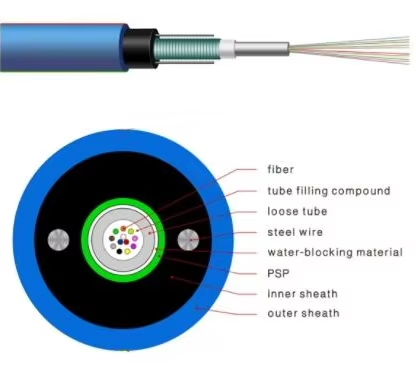
OWIRE, as a reputable optical fiber cable manufacturer, focuses on delivering innovative solutions that cater to diverse customer needs. They invest in research and development to stay ahead of industry trends, introducing new technologies like wavelength-division multiplexing (WDM) and advanced manufacturing techniques. By offering customized cable designs and adhering to the latest industry standards, OWIRE ensures their products consistently deliver optimal performance and reliability.
Tóm lại, optical fiber cable manufacturers play a crucial role in shaping the future of connectivity. Companies like OWIRE, with their dedication to quality and innovation, are driving the evolution of this technology. As we continue to rely on digital communication for our daily lives, the importance of choosing the right manufacturers will only grow, making OWIRE an excellent choice for businesses seeking high-performance and durable optical fiber solutions.