


cho solar cable print legend lot traceability, connect the quotation with the actual project record. Solar cable print legend lot traceability should connect the agreed jacket marking with the supplied construction, production identity and order documents. A readable legend helps identify a product, but it does not independently prove every property or approval named in a purchasing requirement. Before ordering, agree the marking text, allowed identifiers, relevant product evidence and the record linking reels to production lots. Keep artwork approval separate from technical conformity. Ask OWIRE to confirm the actual offered cable and permitted marking rather than copying a legend from an unrelated catalog photograph.
Approve the marking against the offered construction
Begin with the accepted cable designation and the actual documents supplied for that construction. Ask the supplier to identify the marking text and the basis for any rating or approval reference. Do not add a requested mark merely because it appears on another supplier’s image or would be convenient for resale.
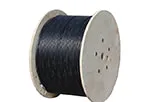
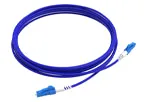
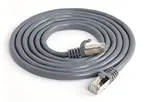
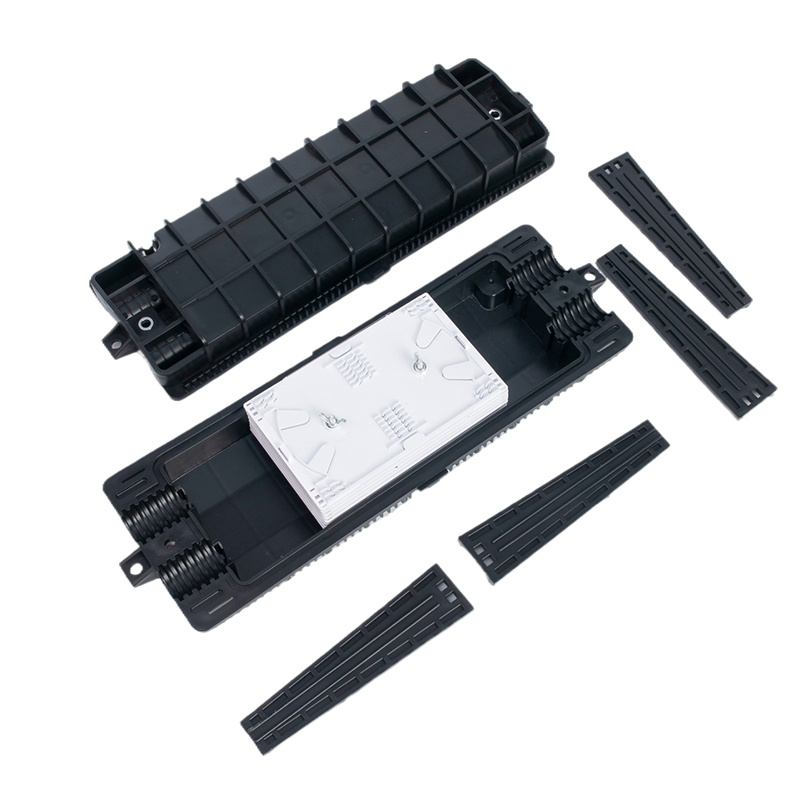
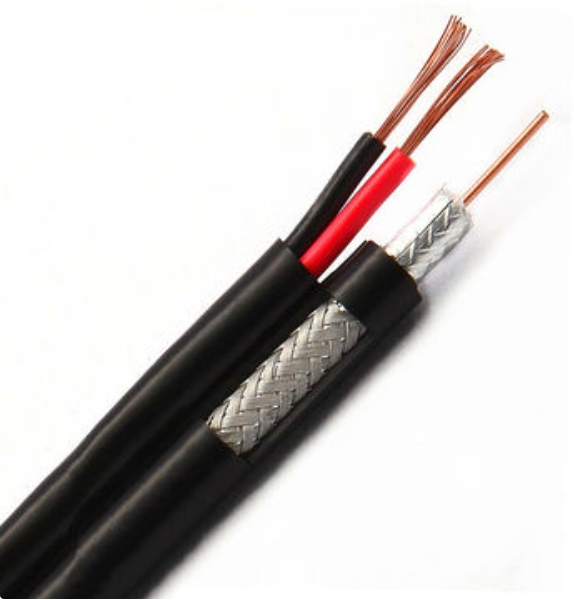
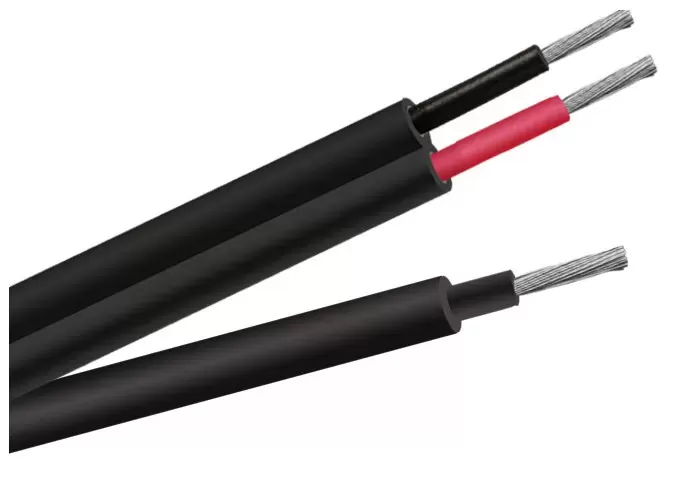
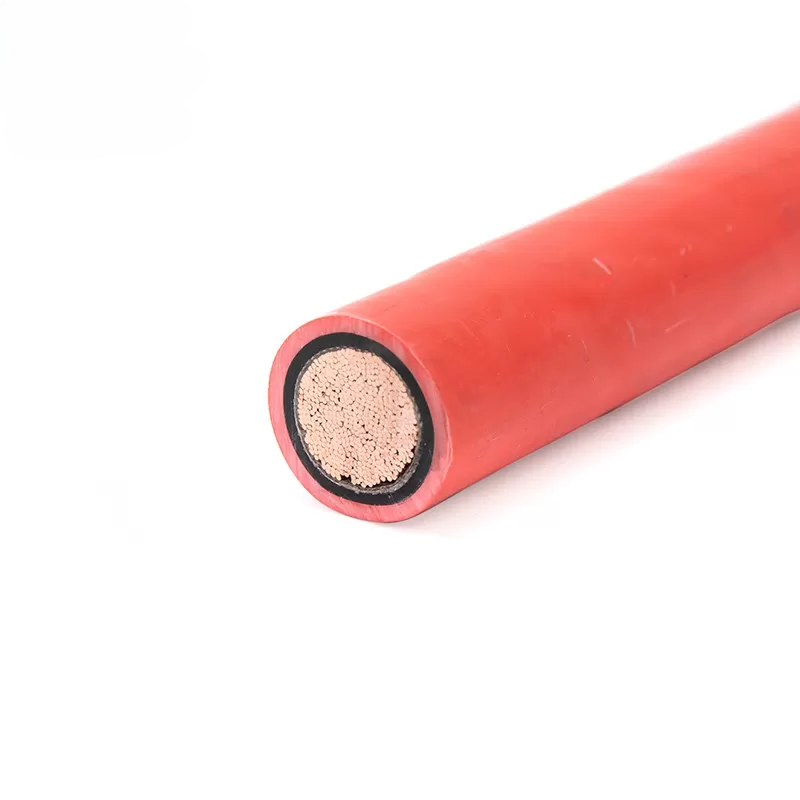
Keep conductor, insulation, jacket and product identity consistent between the quotation and marking approval. The photographs in a buying guide show product appearance and construction formats; they are not proof of the marking or conformity of a new order. Review the offered item and evidence directly.
Connect the legend to production and packing identities
Agree which identifiers appear on the cable and which are retained on reel labels or order documents. A production-lot reference, product designation and meter sequence can serve different purposes. Define their relationship in the record instead of expecting every identifier to be interchangeable.
At receiving, the project needs a practical way to connect the cable, reel and supplied documents. If the marking format does not carry every required reference, identify the supporting record that completes the link. Preserve any actual sampling or traceability limitation rather than claiming individual identification beyond what the supplied system provides.
Control changes across repeat orders
Retain the accepted legend, cable designation, supporting documents and lot-linking record. When a construction, brand format or production identifier changes, review the affected records before using the old approval. A previous packing photograph should not become the only reference for a new cable version.
For the RFQ, provide the project country, cable specification, required quantity, reel format, marking and documentation needs. Separate mandatory project requirements from preferred presentation. Ask OWIRE to identify what can be confirmed for the offered construction, and keep unresolved approval or traceability questions visible before production release.

Review legibility without replacing technical acceptance
Agree the relevant visual review of the proposed legend, including the representation used for approval and the records kept for the actual supplied cable. A clear printed sample does not demonstrate conductor dimensions, material performance or the validity of a claimed approval. Those requirements need their own appropriate evidence.
If the buyer requests a brand or private-label format, ask the supplier to confirm the permitted content and documentation arrangement. Keep the approved marking revision linked to the actual construction. A commercial artwork change should not silently change the product identity or imply an unsupported technical claim.
Evidence to compare before release
| Người mua cần | Sản phẩm được đề xuất | Thông số kỹ thuật chính | Tại sao nó quan trọng |
|---|---|---|---|
| Legend and offered cable identity | Exact cable or cord construction in the accepted offer | Project requirement, record and responsible owner | Defines the commercial comparison |
| Reel-to-production-lot connection | Exact cable or cord construction in the accepted offer | Project requirement, record and responsible owner | Keeps records tied to the delivered item |
| Separate marking and conformity evidence | Exact cable or cord construction in the accepted offer | Project requirement, record and responsible owner | Separates appearance from tested properties |
| Controlled repeat-order revision | Exact cable or cord construction in the accepted offer | Project requirement, record and responsible owner | Makes handover and repeat orders traceable |
Suitable purchasing teams
Best for infrastructure procurement, network integrators, cable distributors and project teams buying an identified construction in bulk. Suitable for a documented project or repeat supply with an acceptance owner. Not suitable for assuming a rating, accessory compatibility or installed performance from a general product name or picture. The actual offered construction and applicable project evidence must be confirmed before production release.
Questions for the supplier review
What should be included in the RFQ?
Send the cable or cord type, required construction, length or reel format, project quantity and destination country. Include the legend and offered cable identity. Attach the relevant route, interface or identification requirement and name the person who approves technical deviations. Ask OWIRE to distinguish confirmed requirements from proposed alternatives and to identify any missing information before a final scope is accepted.
How can competing offers be compared fairly?
Compare the same construction, supplied accessories, documentation and acceptance scope before comparing price. Include the reel-to-production-lot connection. A lower unit figure can exclude an item or record that another offer includes. Request a written deviation list, keep unconfirmed options visible and assign each open interface question to the responsible supplier or project reviewer before releasing the purchase order.
What should the quality record identify?
Connect each supplied result or observation with the actual product, order and represented population. Include the separate marking and conformity evidence. Preserve the relevant method, units, revision and acceptance basis where they apply. A general catalog image or unrelated report does not identify the delivered item. Keep quantity, appearance, technical conformity and installed acceptance as distinct evidence subjects with their own responsible review.
Can packing, marking or records be customized?
Submit the requested label, legend, packaging or record format with the inquiry. Include the controlled repeat-order revision. Ask OWIRE to confirm feasibility, the actual construction and any effect on approval or delivery before treating a change as included. Keep technical claims supported by the offered product evidence and retain the approved presentation revision with the order and receiving documentation.
When should the delivery schedule be confirmed?
Agree the technical scope, approval sequence, quantity and destination before requesting a shipment commitment. Include the legend and offered cable identity. Separate sample or document approval, production completion, dispatch and arrival at the project. Ask the supplier to identify dependencies and exclusions. This guide establishes no stock position or fixed lead time; the quotation must confirm the actual delivery arrangement for the accepted construction.
Send OWIRE the project supply brief
Provide the application, destination, required construction and quantity, length or reel format, relevant drawings, accessories, documentation, marking and packing needs. Identify mandatory project requirements, unresolved interface questions and the target delivery date. Contact OWIRE with the cable supply brief so the proposed product and supplied scope can be confirmed against the actual order. Retain the accepted configuration and evidence requirements for receiving and future repeat supply.