
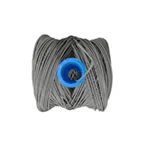
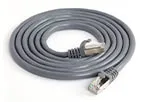
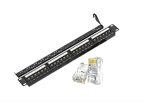
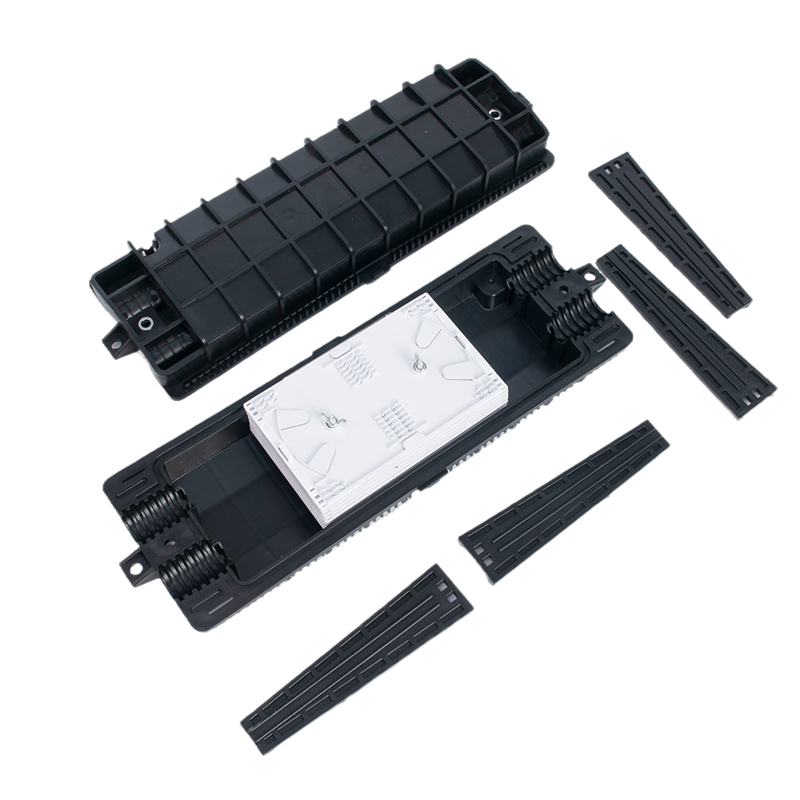
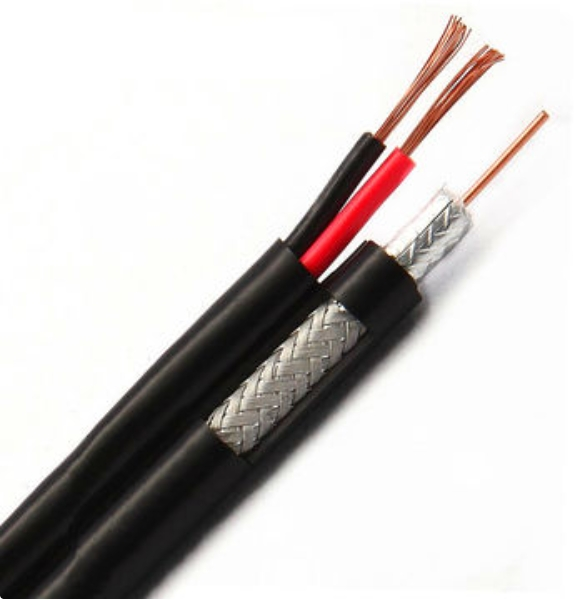
We often see five types of network lines, five types of network lines, six types of net lines, but do you really know the meaning of their names? Let’s get a deep understanding of it. 1, five line: this kind of cable has increased the winding density, and has a high quality insulation material. The transmission rate is 100MHz, which is used for voice transmission and data transmission with the highest transmission rate of 10Mbps. It is mainly used for 100BASE-T and 10BASE-T networks. This is the most commonly used Ethernet cable.2, over five kinds of lines: over 5 kinds, with less attenuation, less crosstalk, and higher ratio of attenuation to crosstalk (ACR) and Structural Return Loss (Return), and smaller delay error. The performance has been greatly improved. Over 5 kinds of lines are mainly used in Gigabit Ethernet (1000Mbps).3, six lines: the transmission frequency of the cable is 1MHz ~ 250MHz, six in 200MHz integrated wiring system when attenuation to crosstalk ratio (PS-ACR) should have a larger margin, it provides 2 times in five. The bandwidth of the transmission performance of six kinds of wiring is much higher than the five standard, the most suitable application the transmission rate is higher than that of 1Gbps. Six and five an important difference is that: the improvement of the performance in the crosstalk and echo loss, for high-speed network application of a new generation of full duplex, return loss performance is extremely important. The six standards in the abolition of the basic link model the topological structure of star, standard wiring, wiring distance requirements: permanent link length should not exceed 90m, the channel length should not exceed 100mConnection: the twisted pair has two kinds of connection: the EIA/TIA 568B standard and the EIA/TIA 568A standard.T568A line order12345678Green, green, orange, white, blue, white, orange, brown and brownT568B line order12345678Orange, orange, green, blue, blue, white, green, brown, brown and brown
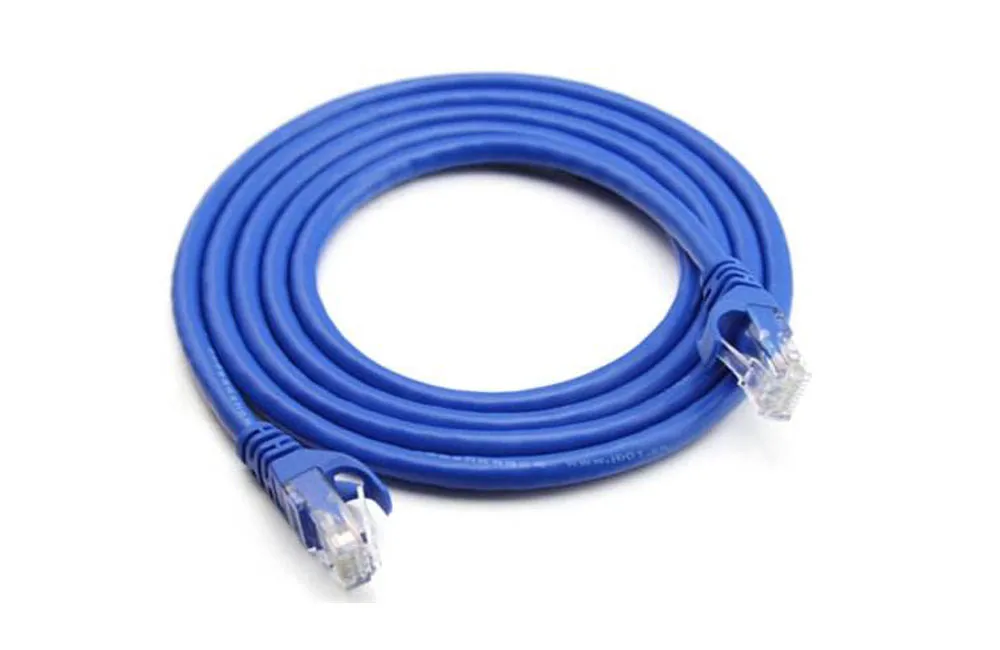 1, five line: this kind of cable has increased the winding density, and has a high quality insulation material. The transmission rate is 100MHz, which is used for voice transmission and data transmission with the highest transmission rate of 10Mbps. It is mainly used for 100BASE-T and 10BASE-T networks. This is the most commonly used Ethernet cable.2, over five kinds of lines: over 5 kinds, with less attenuation, less crosstalk, and higher ratio of attenuation to crosstalk (ACR) and Structural Return Loss (Return), and smaller delay error. The performance has been greatly improved. Over 5 kinds of lines are mainly used in Gigabit Ethernet (1000Mbps).3, six lines: the transmission frequency of the cable is 1MHz ~ 250MHz, six in 200MHz integrated wiring system when attenuation to crosstalk ratio (PS-ACR) should have a larger margin, it provides 2 times in five. The bandwidth of the transmission performance of six kinds of wiring is much higher than the five standard, the most suitable application the transmission rate is higher than that of 1Gbps. Six and five an important difference is that: the improvement of the performance in the crosstalk and echo loss, for high-speed network application of a new generation of full duplex, return loss performance is extremely important. The six standards in the abolition of the basic link model the topological structure of star, standard wiring, wiring distance requirements: permanent link length should not exceed 90m, the channel length should not exceed 100mConnection: the twisted pair has two kinds of connection: the EIA/TIA 568B standard and the EIA/TIA 568A standard.T568A line order12345678Green, green, orange, white, blue, white, orange, brown and brownT568B line order12345678Orange, orange, green, blue, blue, white, green, brown, brown and brown