

In today’s rapidly evolving digital landscape, the demand for high-speed, reliable data transmission has never been greater. From enterprise networks to large-scale telecommunications infrastructure, the backbone of modern connectivity relies heavily on advanced cabling solutions. Among these, 24 pair fiber optic cables have emerged as a pivotal component in ensuring efficient and scalable network performance. Designed to support multiple channels of data simultaneously, this type of cable is ideal for environments where bandwidth demands are high and signal integrity is non-negotiable. Whether deployed in data centers, campus networks, or metropolitan area networks, 24 pair fiber offers a balanced solution between capacity, durability, and ease of installation.
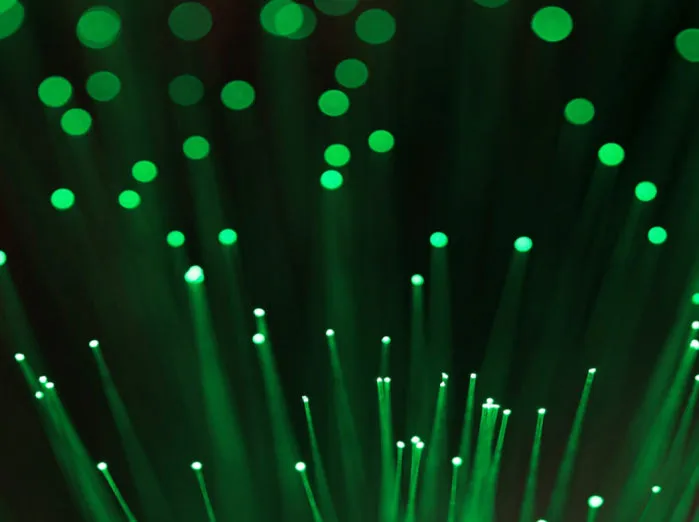
A 24 pair fiber cable consists of 24 individual optical fibers, typically grouped into duplex pairs for bidirectional communication. Each fiber strand is capable of transmitting data at speeds reaching multiple terabits per second under optimal conditions, making it suitable for both current and future network requirements. These fibers are usually made from ultra-pure glass or plastic, allowing light signals to travel over long distances with minimal loss or interference. The 24 pair configuration provides an excellent balance—offering substantial bandwidth without becoming overly complex or difficult to manage during deployment.
One of the primary advantages of using a 24 pair fiber cable is scalability. As businesses grow and their network needs expand, having a robust cabling foundation allows for seamless upgrades. Instead of replacing entire infrastructures, organizations can simply activate additional fiber pairs within the same cable bundle. This not only reduces downtime but also lowers long-term operational costs. For instance, in a corporate office setting, a single 24 pair fiber run can support dozens of workstations, servers, and wireless access points—all through dedicated or shared channels managed via multiplexing technologies like WDM (Wavelength Division Multiplexing).
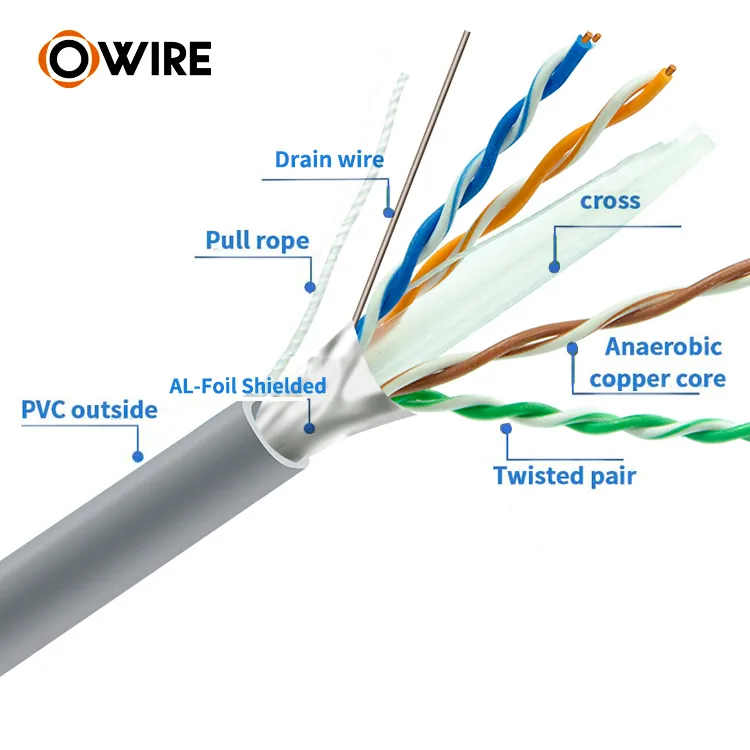
Another key benefit lies in the physical design and construction of 24 pair fiber cables. Most variants are built with protective layers such as aramid yarn (Kevlar) for tensile strength and moisture-resistant jackets to withstand harsh environmental conditions. This makes them suitable for both indoor and outdoor applications, including aerial installations, underground conduits, and direct burial scenarios. Furthermore, many 24 pair fiber cables adhere to industry standards such as OS2 for single-mode fibers or OM3/OM4 for multimode versions, ensuring compatibility with existing network hardware and compliance with safety regulations.

Signal integrity is another critical factor that sets 24 pair fiber apart from traditional copper-based alternatives. Unlike electrical signals transmitted over copper wires, optical signals in fiber cables are immune to electromagnetic interference (EMI), radio frequency interference (RFI), and ground loops. This immunity ensures cleaner data transmission, especially in industrial settings or areas with high levels of electronic noise. Additionally, fiber optics do not radiate signals, which enhances security by reducing the risk of eavesdropping—a crucial consideration for government agencies, financial institutions, and healthcare providers.
The deployment flexibility of 24 pair fiber further enhances its appeal. It can be used in structured cabling systems where patch panels and distribution frames organize connections across buildings or floors. In data centers, for example, 24 pair fiber trunks often connect core switches to aggregation layers, enabling high-density interconnectivity. The compact nature of fiber cables also means they take up less space in cable trays and conduits compared to bulky copper bundles, improving airflow and simplifying maintenance.
When selecting a 24 pair fiber cable, quality and reliability should be top priorities. Not all manufacturers deliver the same level of performance, consistency, and technical support. That’s where OWIRE stands out as a trusted name in the fiber optic industry. Known for its commitment to innovation and rigorous testing protocols, OWIRE produces 24 pair fiber cables that meet or exceed international standards. Their products feature low insertion loss, high return loss, and exceptional durability—even under extreme temperature fluctuations and mechanical stress.
OWIRE’s 24 pair fiber offerings include both single-mode and multimode variants, catering to different distance and bandwidth requirements. Single-mode fibers are ideal for long-haul applications, such as connecting remote cell towers or linking geographically dispersed data centers, thanks to their ability to transmit signals over tens of kilometers without repeaters. Multimode versions, on the other hand, are better suited for shorter distances within buildings or campuses, offering cost-effective solutions for high-speed local networks.
What truly distinguishes OWIRE is its attention to detail in manufacturing. Each 24 pair fiber cable undergoes comprehensive optical testing to ensure uniformity across all 24 strands. Connectors—whether LC, SC, or MPO—are precision-polished to minimize back reflection and maximize throughput. Moreover, OWIRE uses color-coded booting and labeling systems to simplify identification during installation and troubleshooting, saving time and reducing human error.
Beyond product excellence, OWIRE provides extensive technical documentation, installation guides, and responsive customer service. This holistic approach empowers network engineers and IT professionals to deploy 24 pair fiber solutions confidently, knowing they have reliable support throughout the lifecycle of their projects. Whether planning a new build or upgrading legacy infrastructure, choosing OWIRE means investing in performance, longevity, and peace of mind.
In practical applications, the impact of deploying a high-quality 24 pair fiber solution like those from OWIRE becomes immediately evident. Hospitals rely on uninterrupted data flow for patient records, imaging systems, and telemedicine platforms—all supported by stable fiber backbones. Universities use them to connect lecture halls, research labs, and dormitories with consistent Wi-Fi coverage and low-latency internet access. Even smart cities leverage 24 pair fiber networks to integrate traffic control systems, surveillance cameras, and public communication networks into a unified digital ecosystem.
Future-proofing is another compelling reason to adopt 24 pair fiber technology. With emerging trends like 5G rollout, Internet of Things (IoT) expansion, artificial intelligence, and cloud computing placing unprecedented strain on network resources, having a scalable and resilient cabling infrastructure is no longer optional—it’s essential. A well-designed 24 pair fiber network can accommodate next-generation technologies without requiring complete overhauls, protecting capital investments and minimizing disruption.
Moreover, sustainability considerations are increasingly influencing infrastructure decisions. Fiber optic cables consume significantly less power than copper equivalents, especially when transmitting data over long distances. They also have a longer service life and require fewer raw materials to produce, contributing to greener IT strategies. By choosing energy-efficient solutions like OWIRE’s 24 pair fiber cables, organizations can reduce their carbon footprint while enhancing operational efficiency.
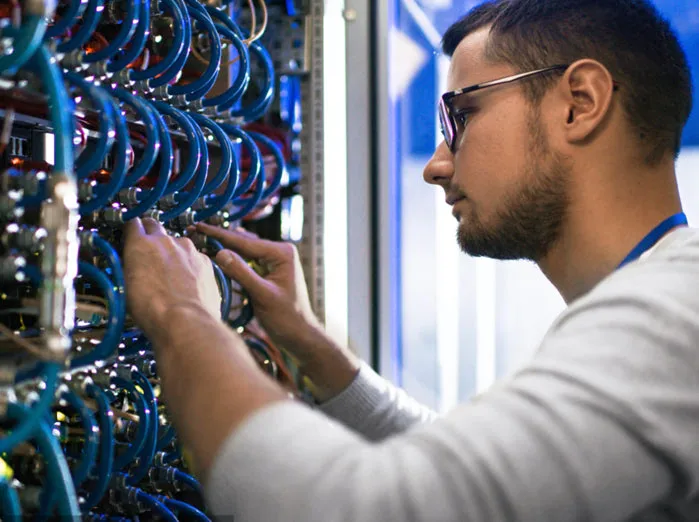
Installation best practices play a vital role in maximizing the benefits of any 24 pair fiber deployment. Proper handling, bending radius adherence, and cleanliness of connectors are crucial to maintaining optimal signal performance. Technicians should use appropriate tools such as fusion splicers, optical time-domain reflectometers (OTDRs), and power meters to verify continuity and detect faults early. Training and certification programs offered by vendors like OWIRE help ensure that installers are equipped with the latest knowledge and skills.
In conclusion, 24 pair fiber represents a cornerstone of modern network architecture, combining high capacity, reliability, and adaptability in one versatile package. Its widespread adoption across industries underscores its value in supporting today’s data-intensive applications and preparing for tomorrow’s innovations. When sourcing such critical components, partnering with a reputable brand makes all the difference. OWIRE delivers superior 24 pair fiber solutions backed by engineering excellence, rigorous quality control, and dedicated customer support. For organizations aiming to build fast, secure, and future-ready networks, choosing OWIRE is not just a smart decision—it’s a strategic advantage.