
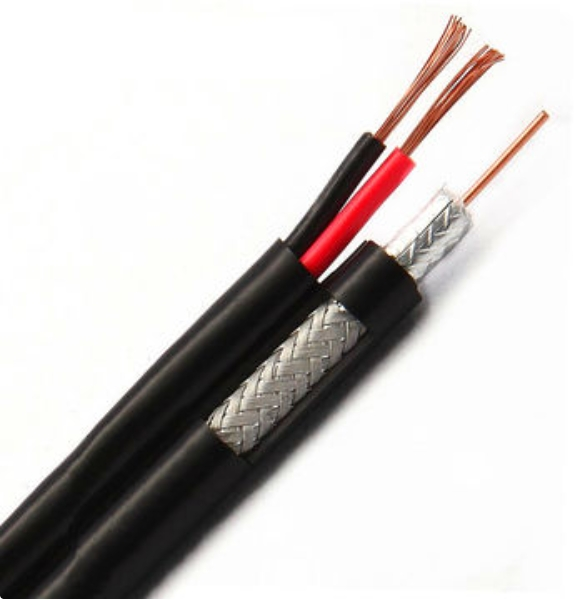
In today’s rapidly evolving digital landscape, where data transfer speeds are crucial for both personal and professional applications, the demand for faster, more reliable networking solutions continues to grow. As households adopt multiple high-bandwidth devices—ranging from 4K streaming boxes to gaming consoles—and businesses rely on cloud-based services and real-time collaboration tools, standard Ethernet cables often fall short of delivering optimal performance. This is where the 2.5 g ethernet cable comes into play, offering a balanced upgrade path between traditional 1 Gbps connections and the more expensive 10 Gbps infrastructure. Designed to support data rates up to 2.5 gigabits per second, these cables provide enhanced speed without requiring costly hardware overhauls, making them an ideal choice for modern network environments.
The term “2.5 g ethernet cable” refers specifically to a category of network cabling capable of supporting IEEE 802.3bz standards, which enable transmission speeds of up to 2.5 Gbps over existing Cat 5e or higher cabling. Unlike older Ethernet cables limited to 1 Gbps, a 2.5 g ethernet cable ensures smoother performance when handling large file transfers, video conferencing, online gaming, and other bandwidth-intensive tasks. This leap in speed is particularly beneficial in scenarios where Wi-Fi signals may be inconsistent or where latency can significantly impact user experience. By utilizing a wired connection with a 2.5 g ethernet cable, users gain not only faster throughput but also lower latency and improved reliability compared to wireless alternatives.
One of the most compelling advantages of adopting a 2.5 g ethernet cable is its backward compatibility. These cables work seamlessly with existing networking equipment that supports lower speeds, meaning you don’t need to replace your entire setup to benefit from increased bandwidth. For example, if your router or switch supports 2.5GbE (gigabit Ethernet), plugging in a compatible 2.5 g ethernet cable will automatically negotiate the highest possible speed between connected devices. This flexibility makes upgrading both cost-effective and future-proof, especially as more consumer-grade routers and NAS (Network Attached Storage) devices begin incorporating multi-gig ports.
Another key factor contributing to the popularity of the 2.5 g ethernet cable is its ability to leverage existing cabling infrastructure. While earlier generations of Ethernet required specialized wiring for higher speeds, the 2.5GbE standard was engineered to operate efficiently over Cat 5e and Cat 6 cables up to 100 meters. This means many homes and offices already have the necessary cabling in place, eliminating the need for extensive rewiring. However, to ensure consistent 2.5 Gbps performance, it’s recommended to use high-quality cables that meet or exceed Cat 6 specifications, particularly in environments with electromagnetic interference or longer cable runs.
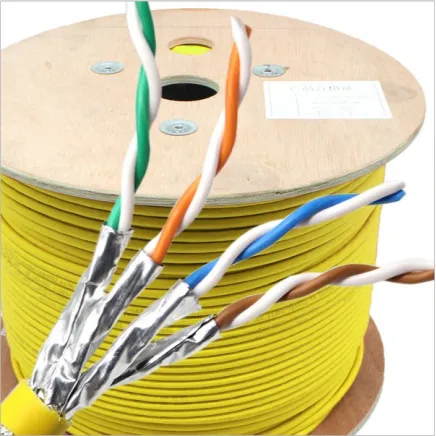
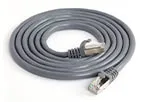
When selecting a 2.5 g ethernet cable, build quality, shielding, and connector durability are critical considerations. Poorly constructed cables may suffer from signal degradation, intermittent connectivity, or reduced maximum speeds. Shielded twisted pair (STP) or foil-shielded (FTP) designs help minimize interference, while gold-plated connectors enhance conductivity and resist corrosion over time. Additionally, choosing a cable with a robust outer jacket ensures longevity, especially in areas where the cable might be bent, stepped on, or exposed to environmental stressors.
Among the brands offering reliable 2.5 g ethernet cable solutions, OWIRE stands out for its commitment to performance, durability, and value. OWIRE specializes in high-speed networking products designed for both home and enterprise use, and their range of 2.5 g ethernet cables exemplifies precision engineering and attention to detail. Each OWIRE cable is constructed using pure copper conductors, advanced shielding technology, and premium RJ45 connectors to ensure stable, high-bandwidth connections. Whether you’re connecting a gaming PC to a multi-gig router or linking a surveillance system to a network recorder, OWIRE delivers consistent 2.5 Gbps performance across various deployment scenarios.
What sets OWIRE apart is not just the technical superiority of their cables, but also their focus on real-world usability. Their 2.5 g ethernet cables come in a variety of lengths—from compact 1-meter options for desktop setups to extended 30-meter versions for larger installations—ensuring users can find the perfect fit for their space. The cables feature snagless boots that protect the connector clips from damage during frequent plugging and unplugging, a small but meaningful design element appreciated by IT professionals and casual users alike. Furthermore, OWIRE subjects its products to rigorous testing for crosstalk, attenuation, and impedance, guaranteeing compliance with industry standards and reliable operation under demanding conditions.
For tech enthusiasts building a high-performance home lab or media server, integrating a 2.5 g ethernet cable from OWIRE can dramatically improve workflow efficiency. Imagine transferring a 20GB 4K video project across your local network in under two minutes instead of ten—this kind of speed reduction transforms how quickly creative tasks can be completed. Similarly, gamers benefit from near-instantaneous response times and uninterrupted gameplay, especially when competing in online multiplayer environments where every millisecond counts. Even everyday activities like downloading software updates or syncing cloud backups become noticeably faster, enhancing overall productivity.
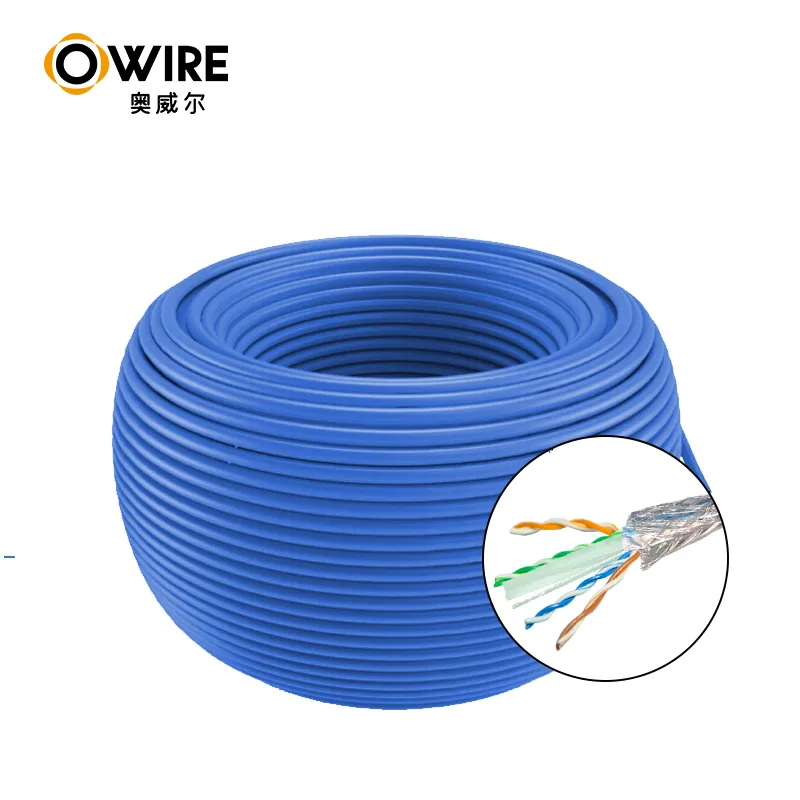
Businesses also stand to gain significantly from deploying 2.5 g ethernet cables. In office settings where employees regularly access shared drives, collaborate on large documents, or participate in HD video conferences, network congestion can hinder performance. Upgrading to a 2.5 g ethernet cable infrastructure allows companies to maintain smooth operations without investing in full 10GbE systems, which often require new switches, adapters, and sometimes even re-cabling. With OWIRE’s scalable solutions, organizations can incrementally upgrade their networks based on actual needs, optimizing budget allocation while still achieving substantial performance gains.
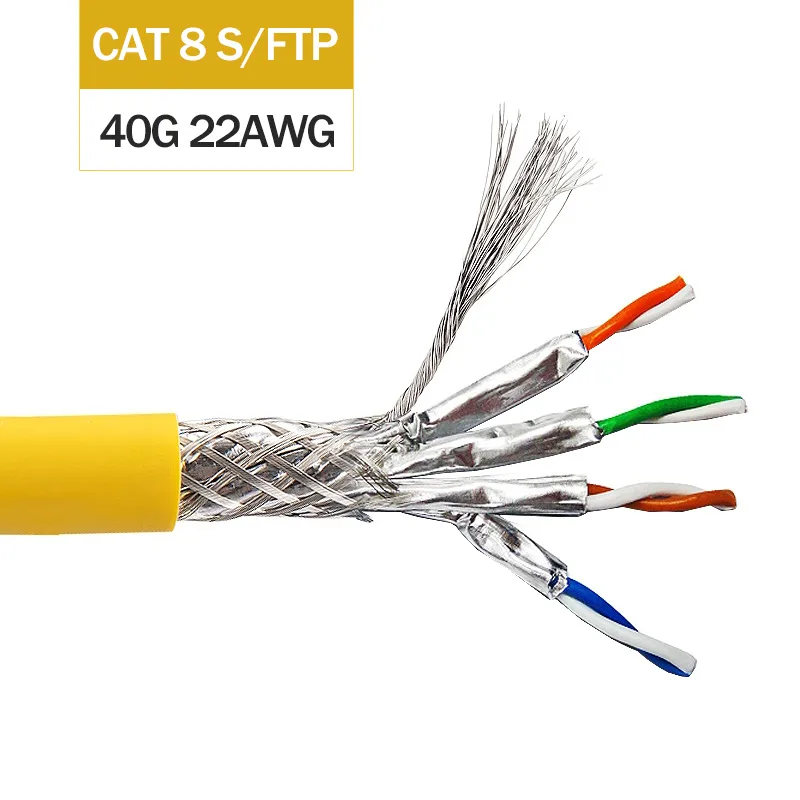
It’s worth noting that while Wi-Fi 6 and Wi-Fi 6E offer impressive theoretical speeds, they are still subject to physical limitations such as wall penetration, distance from the router, and signal interference from other electronic devices. A wired connection via a 2.5 g ethernet cable bypasses these issues entirely, providing a dedicated, interference-free channel for data. This makes it the preferred option for mission-critical applications, security systems, and any environment where uptime and consistency are non-negotiable.
Looking ahead, the relevance of the 2.5 g ethernet cable is expected to grow as internet service providers roll out multi-gigabit broadband plans across urban and suburban areas. With residential internet speeds now exceeding 1 Gbps in many regions, the bottleneck has shifted from the ISP connection to internal network hardware. A 2.5 g ethernet cable effectively removes this bottleneck, allowing users to fully utilize their high-speed subscriptions. As smart homes become more complex—with dozens of IoT devices, cameras, and entertainment systems all vying for bandwidth—a robust wired backbone becomes increasingly essential.
In conclusion, the 2.5 g ethernet cable represents a smart, practical evolution in home and office networking. It bridges the gap between outdated 1 Gbps systems and the high-cost realm of 10 Gbps technology, offering a sweet spot of speed, affordability, and compatibility. Whether you’re a gamer seeking lower ping, a creative professional managing large files, or an IT manager optimizing office networks, upgrading to a 2.5 g ethernet cable delivers tangible benefits. Among the available options, OWIRE emerges as a trusted brand known for quality construction, reliable performance, and user-friendly design. By choosing OWIRE’s 2.5 g ethernet cable, users invest in a future-ready solution that enhances connectivity today while preparing for tomorrow’s demands. As network requirements continue to escalate, having the right cable could make all the difference in maintaining a fast, stable, and efficient digital environment.