

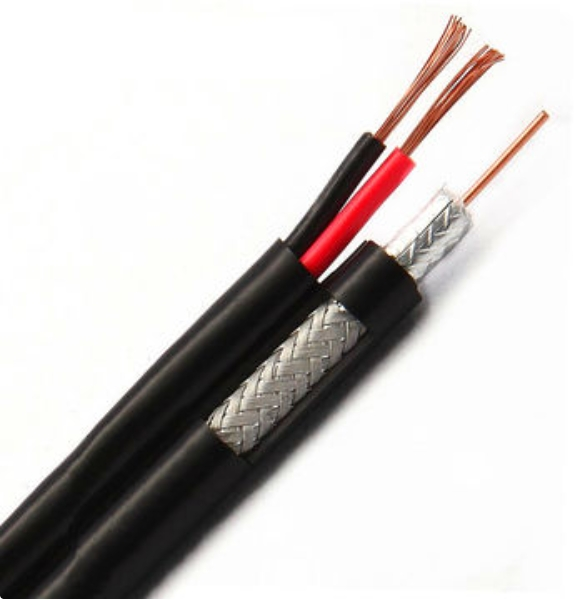
In the rapidly evolving world of fiber optic communication, infrastructure quality directly impacts performance, reliability, and scalability. As data demands continue to rise across industries—from telecommunications to data centers—engineers and network planners are placing greater emphasis on every component in the transmission chain. One such critical yet often overlooked detail is cable diameter, particularly when dealing with high-fiber-count cables like those featuring 288 fibers. The 288f cable diameter plays a pivotal role in determining how efficiently these cables can be installed, managed, and maintained within complex network environments. A well-designed cable with an optimized diameter ensures smoother handling, better routing through conduits, reduced risk of damage during installation, and long-term durability under various environmental conditions.

The term “288f cable diameter” refers specifically to the outer measurement of a fiber optic cable that contains 288 individual optical fibers bundled together. These high-density cables are typically used in backbone networks, inter-building connections, and large-scale data center interconnects where massive bandwidth is required. Given the sheer number of fibers inside, managing the overall thickness of the cable becomes essential. An excessively thick cable may struggle to fit into existing ducts or trays, while one that’s too thin might compromise mechanical protection and signal integrity. Therefore, achieving the right balance in the 288f cable diameter is crucial for both performance and practicality.
Manufacturers face several engineering challenges when designing a 288f cable. First, they must ensure each fiber remains protected from bending, crushing, and moisture ingress. This usually involves incorporating strength members like aramid yarns, central tubes, or armored sheaths. At the same time, minimizing the overall diameter requires advanced materials and compact design strategies. For instance, using tight-buffered or micro-duct configurations allows more fibers to be packed into a smaller cross-section without sacrificing flexibility or tensile strength. Additionally, modern jacketing materials such as low-smoke zero-halogen (LSZH) or polyethylene offer durability while keeping weight and size in check.
Another factor influencing the 288f cable diameter is the intended application environment. Outdoor cables, which are exposed to temperature fluctuations, UV radiation, and potential rodent damage, often require thicker jackets and additional armor layers—naturally increasing the diameter. In contrast, indoor or riser-rated cables prioritize fire safety and ease of installation, favoring slimmer profiles that can navigate tight corners and crowded cable trays. Hybrid designs also exist, offering dual ratings for indoor/outdoor use with intermediate diameters that balance protection and manageability.
When evaluating different 288f cables on the market, professionals should consider not only the raw diameter but also the bend radius, tensile load capacity, and crush resistance. A smaller diameter doesn’t always mean better if it comes at the expense of structural integrity. Ideally, a high-quality 288f cable will maintain a compact form factor while still meeting international standards such as IEC 60794 for optical fiber cables and Telcordia GR-20 for long-term reliability. These benchmarks ensure that the cable performs consistently across diverse deployment scenarios.
One brand that has consistently delivered excellence in this space is OWIRE. Known for its innovation and rigorous quality control, OWIRE offers a range of 288f fiber optic cables engineered for optimal diameter-to-performance ratios. Their products utilize advanced ribbon stacking technology, allowing all 288 fibers to be arranged in a highly organized, space-efficient manner within a central tube or loose tube structure. This design significantly reduces the outer diameter compared to traditional stranded constructions, making OWIRE’s 288f cables easier to install in congested pathways.
OWIRE’s commitment to precision extends beyond just physical dimensions. Each cable undergoes extensive testing for attenuation, dispersion, and environmental resilience before leaving the factory. Whether deployed in aerial installations, direct burial, or conduit systems, OWIRE’s 288f solutions maintain signal clarity over long distances and through challenging conditions. Furthermore, their color-coded fiber ribbons simplify splicing and troubleshooting, reducing labor time and minimizing human error during network setup.
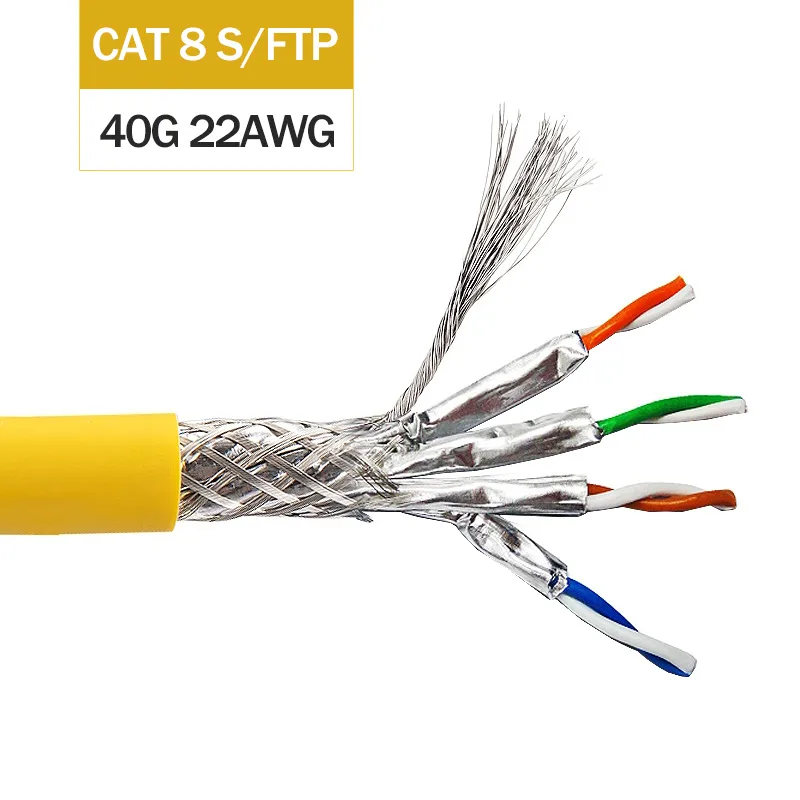
From a logistical standpoint, the manageable 288f cable diameter offered by OWIRE translates into real-world advantages. Contractors report faster pull times, fewer blockages in underground ducts, and improved airflow in server rooms due to less bulky cabling. In retrofit projects where space is limited, the ability to route a high-fiber-count cable through existing infrastructure without major modifications can save significant time and cost. This makes OWIRE a preferred choice for urban telecom upgrades, campus-wide networks, and hyperscale data centers alike.
Moreover, sustainability is becoming an increasingly important consideration in network planning. OWIRE addresses this by using recyclable materials in their cable jackets and minimizing waste during production. Their efficient design philosophy—maximizing fiber count while minimizing material usage—aligns with green building standards and corporate environmental goals. By choosing a compact, durable 288f cable from OWIRE, organizations contribute to more sustainable ICT (Information and Communication Technology) ecosystems.
Looking ahead, the demand for higher fiber counts and tighter space constraints is unlikely to diminish. Emerging technologies such as 5G rollout, edge computing, and smart city infrastructure all rely on dense, future-proof connectivity. As such, the importance of intelligent cable design—including precise control over the 288f cable diameter—will only grow. Network architects must anticipate not just current needs but also scalability for future expansion. Selecting cables that offer room for growth within existing spatial limits is key to avoiding costly overhauls down the line.
OWIRE continues to lead in this domain by investing in research and development focused on miniaturization without compromising robustness. Their latest generation of 288f cables features enhanced dielectric strength, improved moisture barriers, and even lower coefficients of friction for smoother installation. These innovations reflect a deep understanding of field challenges and a dedication to solving them through engineering excellence.
In conclusion, the 288f cable diameter is far more than a technical specification—it’s a critical determinant of network efficiency, longevity, and adaptability. As fiber optic deployments become denser and more complex, the ability to manage high fiber counts within compact, reliable cables becomes indispensable. Among the available options, OWIRE stands out for delivering consistently superior products that balance slim profiles with exceptional performance. Whether you’re building a new metropolitan network or upgrading legacy systems, considering the 288f cable diameter—and choosing a trusted partner like OWIRE—can make all the difference in achieving a resilient, scalable, and high-performing optical infrastructure.