


对于 fiber optic cable tensile record grip slip, define the purchasing and acceptance boundary. When evaluating a fiber cable tensile test report, ask how the laboratory identifies grip movement or specimen slip and how it treats the affected record. The question concerns the validity and interpretation of the reported test, rather than prescribing a fixture or universal test force. Keep the specimen, method and original observation linked to the offered cable. A reported load alone should not be used as evidence of conformity without the applicable technical review.
Identify specimen and fixture scope
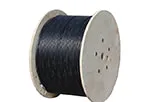
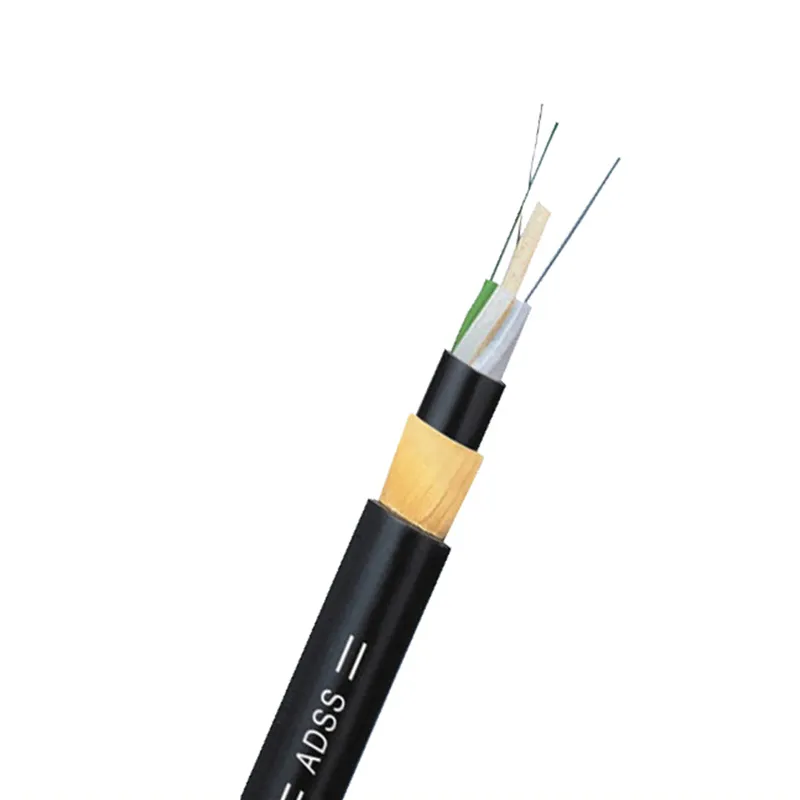
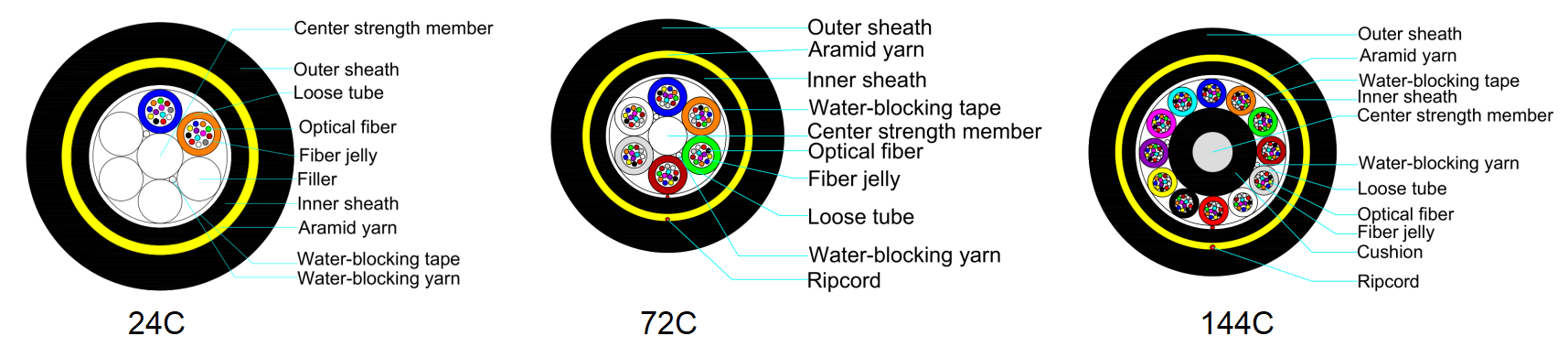
Request the cable code, specimen identity and method reference together with the fixture description required by the laboratory. Ask how the tested portion relates to the proposed supply. Preserve the original report, including notes about setup limitations. A product-family drawing can explain the construction under discussion, but it cannot establish that a particular specimen was held correctly or that the test represents every cable offered in the quotation.
Keep a repeat linked to its reason
If a test is repeated after a grip or setup issue, retain both specimen identities and the reason for the repeat. Record the laboratory disposition of the earlier result. Do not silently replace a qualified observation with a preferred number. A repeat performed on a different specimen or setup should retain that distinction. The buyer technical owner should decide which evidence supports the project requirement and document any remaining uncertainty.
Ask how slip is observed and recorded
Ask the laboratory which observations distinguish fixture movement, grip slip and specimen behavior within its approved procedure. Retain any markers, instrument files or notes that the method requires. Do not impose a numerical allowance from a generic purchasing checklist. The test owner should explain whether the observed condition affects validity and which report qualifications apply. Keep the explanation with the original result rather than recording only a headline value.
Request the correct cable evidence
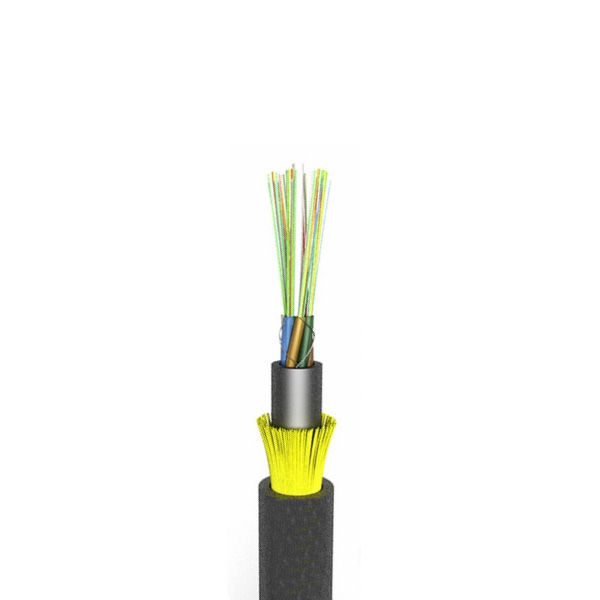
Provide cable construction, fiber count, installation environment and the project mechanical requirement with the RFQ. Ask which test method and records apply to the proposed item, including how qualified results are reported. State quantities, lengths, drum packing and destination separately. A supplier proposal should distinguish an available report from a newly requested evaluation, with scope and timing confirmed before the production cable order is approved.
Compare the proposed supply and its evidence
| 买家需求 | 推荐产品 | 主要规格 | 为什么这很重要 |
|---|---|---|---|
| tested cable and specimen identity | Identified project cable configuration | Order-specific scope and responsible reviewer | Connects the record to the item being purchased |
| grip-slip observation method | Identified project cable configuration | Order-specific scope and responsible reviewer | Makes an important comparison condition visible |
| qualified result and repeat linkage | Identified project cable configuration | Order-specific scope and responsible reviewer | Separates observation from an assumption |
| applicable project test requirement | Identified project cable configuration | Order-specific scope and responsible reviewer | Preserves the accepted delivery decision |
Best for defined industrial projects
Best for engineering teams, industrial purchasing managers and distributors preparing an identified project cable order. Suitable for a project with a documented application, quantity, technical owner and acceptance procedure. Not suitable for inferring a universal equipment capability, fixed commercial term or verified order result from a catalog image. Confirm the offered configuration and the project-specific evidence before approving production supply.
Buyer questions before requesting a quotation
What information should accompany the first RFQ?
Describe the application, destination, proposed configuration, quantity and target delivery date. Include the tested cable and specimen identity and identify the person who owns technical approval. Send the relevant drawings, process information or specification revision when available. Ask the supplier to return a proposal that distinguishes confirmed requirements from assumptions, exclusions and options, so the industrial purchase can be reviewed against a clear scope.
Does a general catalog establish this acceptance requirement?
A general catalog provides product context and can help identify the family to discuss. It does not establish the grip-slip observation method for the actual order. Ask the supplier to confirm the proposed arrangement and the evidence that will accompany it. Keep product identity, a requested feature, a completed demonstration and the final acceptance decision separate when assessing whether the requirement has been met.
买方应保留哪些文件?
Retain the accepted technical offer, applicable configuration and revision identities, relevant inspection records and the delivery disposition. Preserve the qualified result and repeat linkage together with any deviation and its review. The useful record connects an observation with the actual supplied item and requirement. An unrelated brochure, image or unconfirmed numerical claim should not replace the evidence specifically required for the project purchase.
文件和供应范围可以定制吗?
Submit the requested documentation, packaging, identification or other supply change with the inquiry. Include the applicable project test requirement and explain the intended use. Ask OWIRE to confirm feasibility, quantity conditions and the effect on price or delivery in the actual proposal. Keep the agreed revision with the order rather than assuming that every requested customization is standard or already included.
技术审批和交付应当如何安排?
Close the technical scope, approval owner and outstanding questions before requesting a firm production commitment. Include the tested cable and specimen identity, required quantity, destination and target arrival date. Distinguish document review, any agreed evaluation, production completion and transportation. This guide establishes no inventory position, minimum order or fixed lead time; the supplier must confirm those commercial conditions for the actual configuration and project.
发送已确定的工业供应询价
如需报价,请提供应用、项目国家、所需数量、技术规格、相关图纸、测试要求、包装或 OEM 需求以及目标交货时间表。确定未解决的验收问题以及负责审查提案的人员。 联系 OWIRE 获取项目详细信息 请求实际的技术和商业报价。保留清晰标记的建议值,直至确认其适用于所提供的配置。
将此审查与完整的项目规范联系起来
State the intended project environment and the exact cable or assembly specification before asking for a price comparison. Include conductor or fiber identity, construction, jacket, shielding where relevant, ordered lengths, connector combination and packaging. Ask which product and test records apply to the proposed configuration. A picture of a cable family helps identify what to discuss, but it does not prove the ordered length, fire classification, optical result or electrical performance of a shipment. Keep those requirements tied to their actual documentation and acceptance procedures. Provide quantity, destination, private label needs and the target delivery sequence. If the construction, cut schedule or marking changes, preserve the approved revision with the purchase order. The logistics and documentation boundary discussed here supports that supply decision alongside the project technical specification and does not replace it.
To request a supply proposal, send the application, specification, relevant drawing or sample revision, trial and production quantities, destination, packaging and documentation needs, and target delivery date. Submit these details for a project quotation and identify the technical questions awaiting approval.