
In the ever-evolving world of telecommunications and data transmission, fiber optic cabling has become an indispensable component of modern infrastructure. Fiber pigtail assembly, a critical process in ensuring optimal signal integrity and efficient connectivity, plays a pivotal role in network installations. This article delves into the intricacies of fiber pigtail assembly, highlighting the importance of proper techniques, tools, and the use of high-quality products like OWIRE’s offerings.
Fiber pigtail assembly refers to the joining of two or more fibers, typically from a patch panel to an optical connector, using fusion splicing or mechanical connectors. The term “pigtails” refers to the short lengths of fiber that are terminated and prepared for connection. Properly executed, this assembly ensures reliable data transfer, reduces signal loss, and minimizes potential errors in communication systems.
Understanding the Components
Before we discuss the assembly process, it’s essential to familiarize ourselves with the key components involved. A typical fiber pigtail assembly consists of:
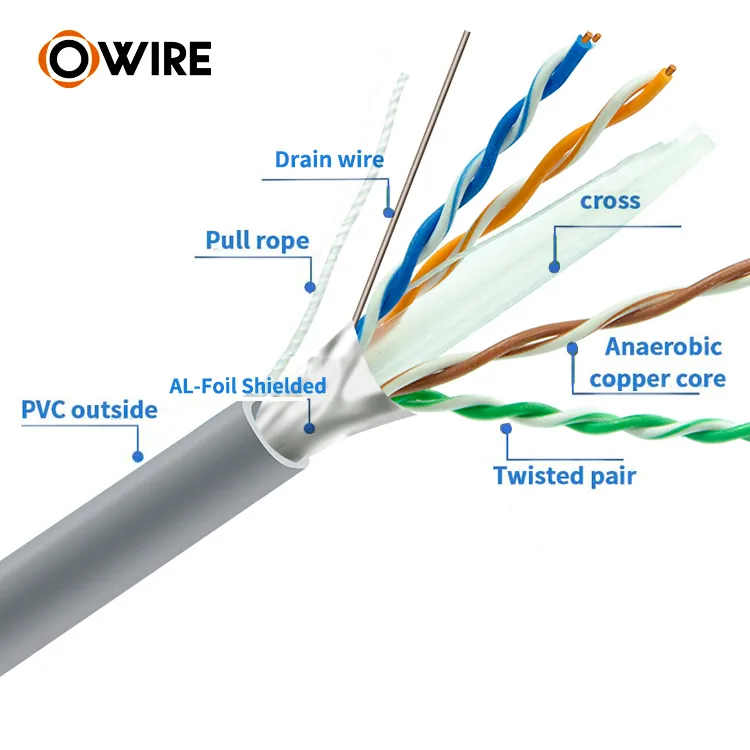
1. Optical Fiber: The primary material, usually made of silica glass, which carries light signals over long distances with minimal attenuation.
2. Connector: The mating interface where the fiber is connected to a patch panel, network device, or another fiber pigtail. OWIRE offers a range of high-performance connectors, such as SC, LC, and FC, that provide secure and durable connections.
3. Pigtails: Short lengths of fiber, terminated at both ends, ready for splicing or connectorization.
4. Fusion Splicer: A precision tool used for creating a permanent bond between two fibers through heat-induced melting.
5. Optical Attenuation: Measured in decibels (dB), it quantifies the loss of signal strength during transmission. Minimizing attenuation is crucial for maintaining high-speed data transfer.
The Assembly Process: Step-by-Step Guide
With the right tools and understanding, fiber pigtail assembly can be a straightforward process. Here’s a detailed guide to assembling a fiber pigtail using OWIRE’s products:
1. **Cleaning**: Begin by cleaning both ends of the fiber using a fiber cleaning kit. This removes any dust, oils, or contaminants that could interfere with the splice.
2. **Preparing the Connector**: Insert the cleaned fiber into the connector, ensuring the fiber is properly aligned with the V-groove. OWIRE‘s connectors feature precise alignment marks for ease of insertion.
3. **Attaching the Pigtails**: Attach the pigtail to the connector, either by fusion splicing or mechanical means. OWIRE‘s fusion splicers, such as the OW-S3, offer accurate and reliable splicing with user-friendly interfaces.
4. **Fusion Splicing**: If using a fusion splicer, follow the manufacturer’s instructions for heating and fusion. OW-S3, for instance, provides a consistent temperature control and automatic splice monitoring. Once the splice is complete, allow it to cool down before handling.
5. **Testing**: After assembly, use an optical time-domain reflectometer (OTDR) to test the connection. This verifies the integrity of the splice and detects any issues like air bubbles or poor connections.
6. **Installation**: Install the assembled pigtail on the patch panel or network device, ensuring it’s securely fastened and labeled for easy identification.
Best Practices and Recommendations
To ensure optimal performance and longevity, adhere to these best practices when working with fiber pigtail assemblies:
– Invest in high-quality, industry-standard tools and materials like OWIRE’s offerings.
– Train your team on proper handling, cleaning, and assembly techniques.
– Regularly inspect and maintain your equipment to prevent degradation.
– Implement a quality control process to catch any defects early on.
OWIRE, as a trusted brand, not only provides top-notch fiber pigtail assemblies but also offers comprehensive support, including training and technical assistance, to help you streamline your installation and maintenance processes.
In conclusion, mastering fiber pigtail assembly is a vital aspect of network infrastructure management. By understanding the components, adhering to best practices, and utilizing reliable tools like OWIRE’s, you can ensure seamless connectivity and reliable data transmission. As technology continues to advance, staying up-to-date with the latest assembly techniques and equipment will remain crucial for maintaining your network’s competitiveness and efficiency.