
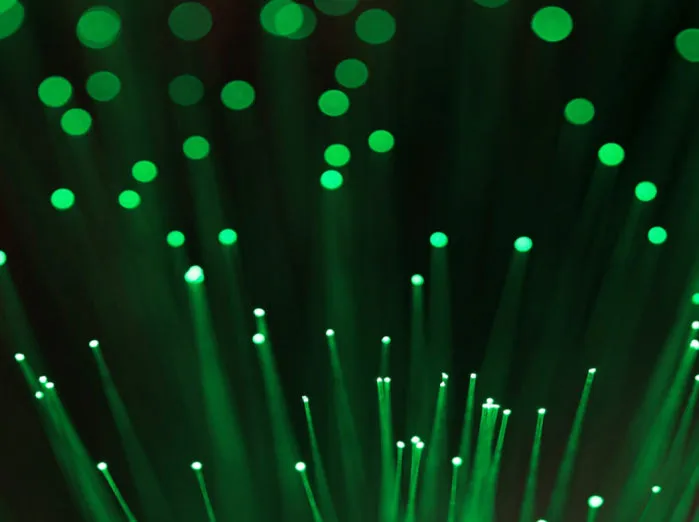


The purpose of an optical cable, also known as a fiber optic cable, is to transmit data as light signals over long distances with high speed and minimal signal loss. Here’s a breakdown of its key purposes:
1. High-Speed Data Transmission
- Optical cables enable the transfer of large amounts of data at incredibly high speeds, making them ideal for internet, telecommunications, and data centers. They can carry signals much faster than traditional copper cables.
2. Long-Distance Communication
- Fiber optic cables can transmit data over long distances without significant signal degradation, making them essential for connecting cities, continents, and undersea networks.
3. High Bandwidth
- Optical cables support high bandwidth, which allows for the transmission of large volumes of data, including high-definition video, audio, and other complex data streams. This makes them crucial for applications like video conferencing, streaming, and cloud computing.
4. Signal Integrity and Low Interference
- Since fiber optics transmit light rather than electrical signals, they are immune to electromagnetic interference (EMI) and radio frequency interference (RFI). This results in clearer and more reliable signals, especially in environments with high electrical noise.
5. Secure Data Transmission
- Optical cables offer a higher level of security compared to copper cables, as it is much harder to tap into a fiber optic line without being detected. This makes them a preferred choice for transmitting sensitive information in government, financial, and military communications.
6. Durability and Reliability
- Fiber optic cables are less susceptible to environmental factors like moisture and temperature fluctuations, which can affect traditional copper cables. This makes them more reliable for critical infrastructure, including hospitals, airports, and data centers.
7. Enabling Modern Technologies
- Optical cables are integral to modern technologies such as:
- Internet: Backbone of global internet infrastructure.
- Telecommunications: Used in telephony and cellular networks.
- Medical Equipment: For high-precision medical instruments and imaging.
- Broadcasting: For high-quality TV and media broadcasting.