

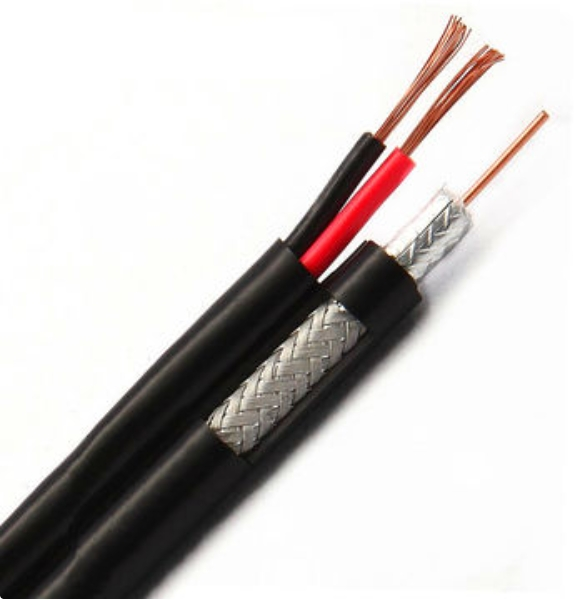
Choosing the right optical cable depends on several factors related to your specific application and environment. Here are the key considerations to help guide your selection:
1. Single-Mode vs. Multi-Mode Fiber
- Single-Mode Fiber:
- Best for long-distance data transmission (up to 100 km or more).
- Used in telecommunications, large-scale data centers, and high-bandwidth applications.
- It has a small core diameter (~9 microns), transmitting a single light mode for minimal signal loss.
- Multi-Mode Fiber:
- Ideal for shorter distances (up to 2 km).
- Used in local area networks (LANs), data centers, and enterprise buildings.
- It has a larger core diameter (~50 or 62.5 microns), supporting multiple light modes but with higher signal loss over long distances.
2. Core Size
- 50/125 micron or 62.5/125 micron (for multi-mode fibers) refers to the core and cladding diameter. The larger the core, the more modes of light it can transmit, but this increases attenuation over longer distances.
- 9/125 micron (for single-mode fibers) is a common size for long-distance, high-bandwidth data transmission.
3. Cable Jacket Type
- Indoor vs. Outdoor Cable:
- Indoor cables are generally used for in-building applications, where protection against environmental factors is not as critical.
- Outdoor cables are designed to withstand weather, UV light, moisture, and temperature changes.
- Plenum vs. Riser:
- Plenum-rated cables (OFNP) are for spaces with air circulation (such as drop ceilings). These cables are flame-retardant and emit less toxic fumes.
- Riser-rated cables (OFNR) are for vertical shafts or between floors, where fire resistance is required but less strict than plenum spaces.
- Armored cables: Provide extra protection from physical damage and are used in harsh environments (e.g., underground, in industrial settings).
4. Cable Type Based on Application
- Simplex or Duplex:
- Simplex cables have a single fiber and are used for one-way data transmission.
- Duplex cables contain two fibers for simultaneous two-way communication, typically used for Ethernet and fiber-to-the-home (FTTH) applications.
- Ribbon or Loose Tube:
- Ribbon cables: Compact design, often used in high-density applications like data centers.
- Loose tube cables: Protect fibers individually, ideal for outdoor and rugged environments.
5. Connector Type
- The connector type you choose must match the equipment you’re using (e.g., transceivers, patch panels). Common types include:
- LC (Lucent Connector): Small and widely used in data centers.
- SC (Subscriber Connector): Used in telecom and data communications.
- ST (Straight Tip): Often found in industrial settings.
- MPO/MTP: Used for high-density applications like 40G and 100G Ethernet networks.
6. Transmission Distance and Bandwidth
- Consider the distance the signal must travel and the bandwidth requirements of your system.
- For short-range, high-bandwidth applications (e.g., within data centers), multi-mode fiber is usually sufficient.
- For long-range, high-bandwidth applications (e.g., long-haul telecommunications), single-mode fiber is preferred.
7. Environmental Considerations
- If the cable will be installed outdoors, you may need to account for:
- Temperature ranges: Ensure the cable’s jacket can withstand temperature extremes.
- Water resistance: For underground or underwater applications, use cables with water-blocking features.
- UV resistance: For cables that will be exposed to sunlight.
8. Budget and Future Proofing
- Single-mode fiber is often more expensive upfront than multi-mode fiber but is more future-proof as it supports higher bandwidth and longer distances.
- Multi-mode fiber can be more cost-effective for shorter distances but may require upgrading as bandwidth demands increase.
9. Industry Standards and Compliance
- Ensure that the optical cable meets industry standards such as:
- TIA/EIA: Telecommunications Industry Association standards for fiber optic cables.
- ISO/IEC: International standards for networking infrastructure.
- RoHS Compliance: Ensure the cable complies with environmental regulations.
Summary of Key Considerations:
- Fiber Type: Single-mode for long-distance, multi-mode for shorter applications.
- Core Size: Choose the appropriate size based on distance and bandwidth needs.
- Jacket Type: Indoor, outdoor, plenum, riser, or armored based on the environment.
- Connector Type: Ensure compatibility with your devices.
- Distance/Bandwidth: Match the cable’s capabilities to your transmission needs.
- Environmental Factors: Select the appropriate protection for outdoor installations.