
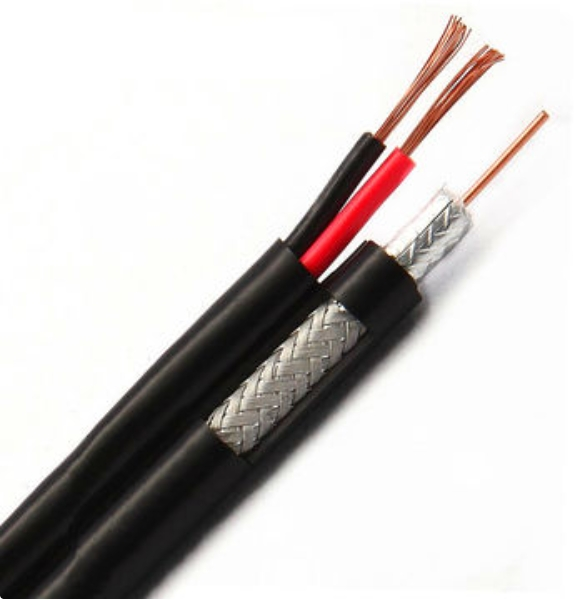
In today’s rapidly evolving digital landscape, the demand for high-speed, reliable data transmission has never been greater. From urban telecommunications networks to remote industrial sites, the infrastructure supporting our connectivity must be robust, future-proof, and capable of withstanding diverse environmental challenges. One solution that stands out in meeting these demands is the 24 strand armored fiber optic cable. Designed to deliver exceptional performance across a wide range of applications, this type of cable combines durability, scalability, and superior signal integrity—making it an essential component in modern communication systems.
A 24 strand armored fiber optic cable consists of 24 individual optical fibers bundled together within a protective sheath that includes metallic or non-metallic armor. This armor layer provides mechanical protection against crushing forces, rodent damage, moisture, and other physical threats commonly encountered during installation and operation. The 24 strands allow for significant bandwidth capacity, enabling service providers and enterprises to support multiple data channels, redundancy paths, or future network expansion without needing to deploy additional cables.
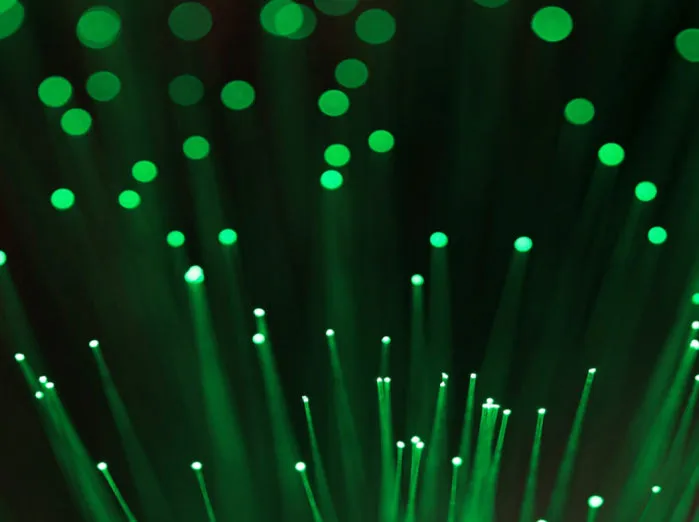
The core technology behind fiber optics relies on transmitting data as pulses of light through thin glass or plastic fibers. Compared to traditional copper cables, fiber optics offer far greater bandwidth, lower signal loss over long distances, immunity to electromagnetic interference (EMI), and enhanced security due to the difficulty of tapping into the signal undetected. When these advantages are combined with the rugged construction of an armored cable, the result is a highly resilient solution ideal for both outdoor and harsh indoor environments.
One of the primary benefits of using a 24 strand armored fiber optic cable is its versatility. It can be deployed in aerial installations, direct burial, duct conduits, and even underwater applications when properly rated. For example, utility companies use armored fiber cables to connect substations and monitor grid performance in real time. Similarly, transportation departments install them along highways for traffic monitoring and emergency communications. In the oil and gas industry, these cables withstand extreme temperatures and corrosive conditions while maintaining uninterrupted data flow between remote sensors and control centers.
Another key advantage lies in scalability. With 24 separate fibers, network designers have the flexibility to allocate some strands for current services while reserving others for future upgrades. This reduces the need for costly re-cabling projects down the line. Additionally, having extra strands allows for built-in redundancy—if one fiber fails, another can take over seamlessly, ensuring continuous operations in mission-critical settings such as hospitals, financial institutions, and data centers.
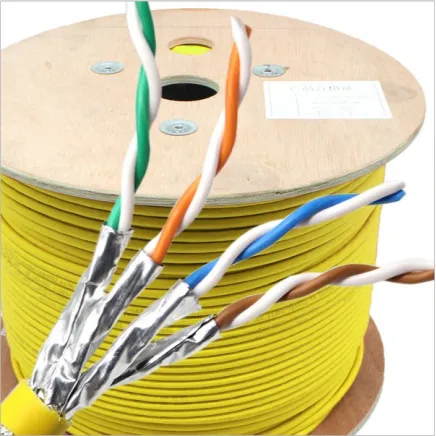
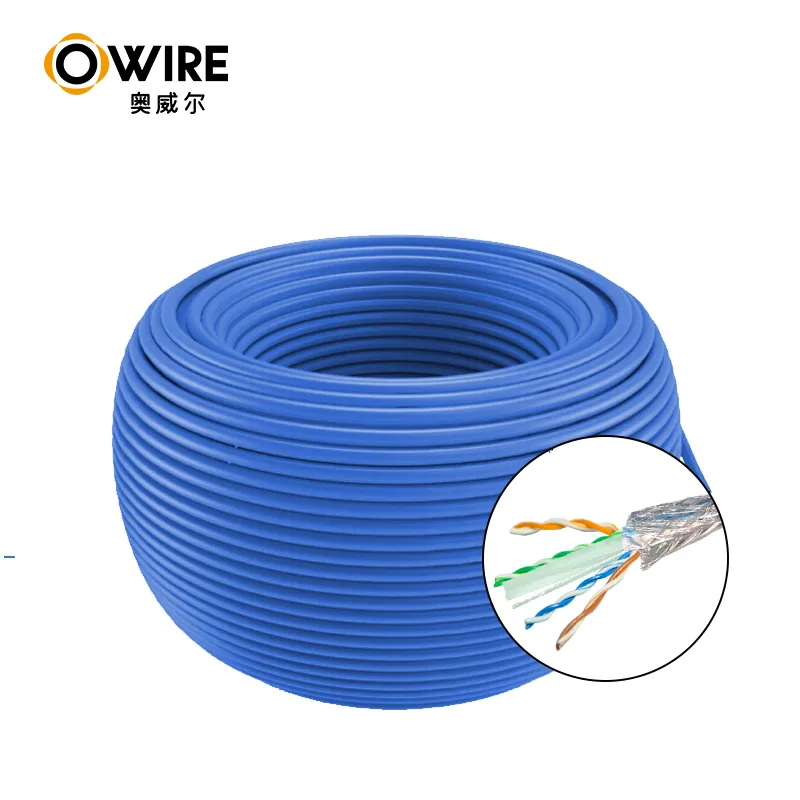
When selecting a 24 strand armored fiber optic cable, quality and reliability are paramount. Among the leading manufacturers offering high-performance solutions is OWIRE. Known for their commitment to innovation and stringent quality control, OWIRE produces fiber optic cables that meet international standards for durability, attenuation, and safety. Their 24 strand armored fiber optic cable models are engineered with precision, featuring tight-buffered or loose-tube designs depending on the application, corrosion-resistant steel tape or interlocking aluminum armor, and UV-resistant outer jackets suitable for prolonged outdoor exposure.
OWIRE’s products undergo rigorous testing to ensure they perform reliably under stress. Whether subjected to tensile loads, temperature fluctuations from -40°C to +70°C, or exposure to water and chemicals, OWIRE cables maintain signal integrity and structural strength. Furthermore, their cables are compatible with standard termination and splicing techniques, making integration into existing networks straightforward for technicians.
Installation considerations also play a crucial role in maximizing the lifespan and effectiveness of a 24 strand armored fiber optic cable. Proper handling during deployment is essential to avoid micro-bending or damaging the delicate glass fibers inside. Installers should adhere to recommended bend radius guidelines—typically at least 10 to 15 times the cable diameter—and use appropriate pulling grips rather than attaching tension directly to the cable ends. Grounding the metallic armor is another important step, especially in lightning-prone areas, to prevent electrical surges from damaging connected equipment.
Maintenance requirements for armored fiber cables are minimal compared to copper alternatives. Since there are no active electronic components within the cable itself, degradation over time is primarily limited to physical wear or environmental exposure. Regular visual inspections and periodic optical time-domain reflectometer (OTDR) testing can help identify potential issues early, such as breaks, bends, or splice degradation, allowing for timely repairs before service disruption occurs.
Beyond technical specifications, choosing the right supplier impacts long-term satisfaction and operational efficiency. OWIRE distinguishes itself not only through product excellence but also via comprehensive customer support, detailed documentation, and global distribution networks. They offer customized solutions tailored to specific project needs, including variations in fiber type (single-mode or multimode), jacket color coding for easy identification, and length customization to reduce waste and installation time.
Single-mode fibers, often used in long-haul and high-bandwidth applications, are typically featured in OWIRE’s 24 strand armored fiber optic cable offerings. These fibers enable transmission over distances exceeding 100 kilometers with minimal signal loss, making them ideal for telecom backbones, metropolitan area networks (MANs), and internet service provider (ISP) infrastructure. Multimode versions are available for shorter-distance uses, such as campus networks or data center interconnects, where cost-effectiveness and ease of coupling with transceivers are priorities.
As cities embrace smart technologies and industries adopt Internet of Things (IoT) devices, the underlying demand for dependable connectivity continues to grow. A 24 strand armored fiber optic cable serves as a foundational element in building scalable, secure, and high-capacity networks. Its ability to endure tough conditions while delivering pristine signal quality makes it indispensable in sectors ranging from public safety to renewable energy.
Moreover, sustainability is becoming increasingly important in infrastructure planning. Fiber optic cables like those produced by OWIRE contribute to greener operations by consuming less power than copper-based systems and requiring fewer replacements due to their longevity. The materials used in OWIRE’s armored cables are selected not only for performance but also with environmental impact in mind, aligning with global efforts toward more sustainable technology practices.
Looking ahead, advancements in fiber optic technology—such as higher-density cables, improved attenuation characteristics, and integration with emerging wireless networks like 5G and beyond—will further enhance the value of armored solutions. The 24 strand configuration strikes an optimal balance between capacity and manageability, avoiding the complexity of ultra-high-count cables while still providing ample room for growth.
In conclusion, the 24 strand armored fiber optic cable represents a powerful blend of performance, resilience, and adaptability. Whether deployed in urban centers, rural communities, or industrial complexes, it forms the backbone of modern communication networks. For organizations seeking a trusted partner in fiber optic infrastructure, OWIRE emerges as a top-tier choice. Their dedication to engineering excellence, product reliability, and customer service ensures that every installation delivers lasting value. As the world moves toward ever-faster and more interconnected systems, investing in a high-quality 24 strand armored fiber optic cable from OWIRE is not just a technical decision—it’s a strategic move toward a more connected and efficient future.