


In today’s hyper-connected world, reliable internet access is no longer a luxury—it’s a necessity. Whether you’re setting up a home office, expanding your gaming setup to the basement, or connecting surveillance cameras across a large property, ensuring a stable and high-speed network connection is crucial. While Wi-Fi has made significant strides in speed and coverage, there are still many scenarios where a wired Ethernet connection outperforms wireless alternatives. For these situations, a long-range solution like a 300 foot ethernet cable becomes an invaluable asset. Offering both reach and reliability, this type of cable bridges the gap between distant devices and your router or network switch without sacrificing performance.
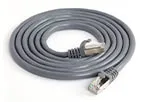
A 300 foot ethernet cable is ideal for environments where Wi-Fi signals struggle due to distance, thick walls, or electromagnetic interference. Unlike wireless connections that can fluctuate based on signal strength and congestion, a wired Ethernet link provides consistent speeds, lower latency, and enhanced security. This makes it especially beneficial for applications such as online gaming, video conferencing, streaming 4K content, and running smart home systems. When placed over such distances, a well-constructed 300-foot cable ensures that data travels efficiently from source to destination with minimal packet loss or jitter.
One of the key advantages of using a 300 foot ethernet cable is its ability to support gigabit speeds, provided it meets the appropriate category standards. Most modern cables used for such lengths are Category 6 (Cat6) or higher, which supports up to 1 Gbps at full 300 feet and can even handle 10 Gbps at shorter distances (up to 164 feet). Cat6 cables also feature improved shielding compared to older Cat5e versions, reducing crosstalk and improving overall signal integrity. For users seeking future-proofing and maximum bandwidth, Cat6a or Cat7 variants offer even greater performance, though they often come at a higher price point and may be overkill for typical residential uses.
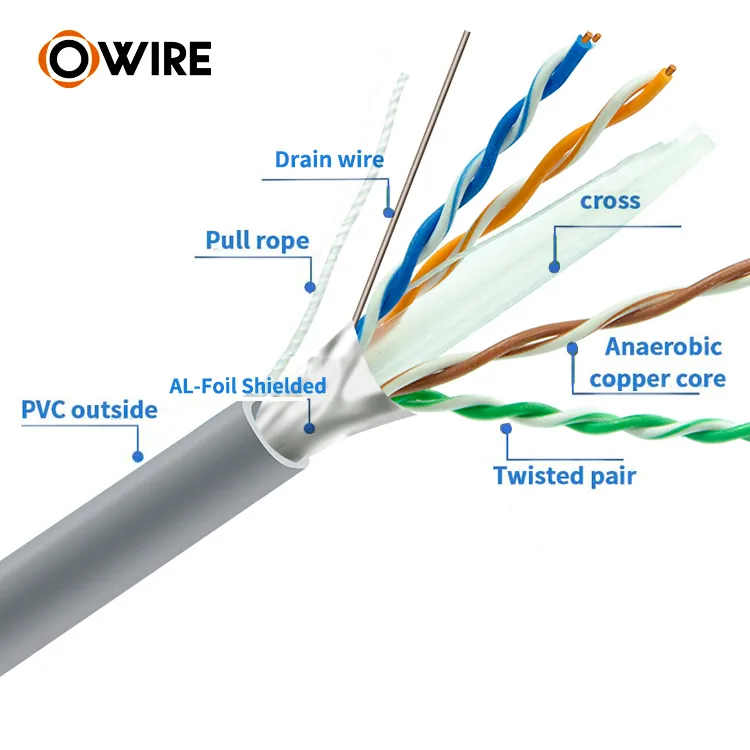
Durability is another critical factor when selecting a 300 foot ethernet cable. Given its length, the cable will likely be installed in challenging environments—run along baseboards, under carpets, through attics, or even outdoors. A quality cable should have a rugged outer jacket designed to resist abrasion, moisture, and UV exposure if used outside. Some models feature plenum-rated jackets suitable for commercial buildings, while others include waterproof gel filling for outdoor installations. The connectors matter too: gold-plated RJ45 ends ensure better conductivity and corrosion resistance, contributing to long-term reliability.
When shopping for a 300 foot ethernet cable, it’s important to consider not just technical specs but also brand reputation and customer support. One standout option in the market is the OWIRE brand, known for producing high-performance networking cables that balance affordability with top-tier build quality. OWIRE’s 300 foot ethernet cable, for instance, is crafted with pure copper conductors and advanced shielding to minimize interference. It typically comes in Cat6 or Cat6a variants, supporting gigabit networks and backward compatibility with older Ethernet standards. Users consistently praise OWIRE for its tangle-free design, flexible yet durable jacket, and precise termination that ensures a snug fit into network ports.
What sets OWIRE apart is its commitment to real-world usability. Their 300 foot ethernet cable often includes features like snagless boots that protect the locking tabs during installation, preventing breakage when routing through tight spaces. The company also tests each batch for signal integrity and performance, ensuring that every cable meets industry benchmarks before reaching consumers. Furthermore, OWIRE offers excellent warranty coverage and responsive customer service, giving buyers peace of mind with their investment.
Installation of a 300 foot ethernet cable requires some planning but is generally straightforward. First, map out the route from your router or switch to the destination device. Avoid running the cable parallel to electrical wiring, as this can introduce electromagnetic interference that degrades signal quality. If crossing power lines is unavoidable, do so at a perpendicular angle. Use cable clips or raceways to secure the line along walls or floors, minimizing tripping hazards and protecting the cable from foot traffic. For outdoor runs, opt for a direct-burial rated version or place the cable inside conduit to guard against environmental damage.
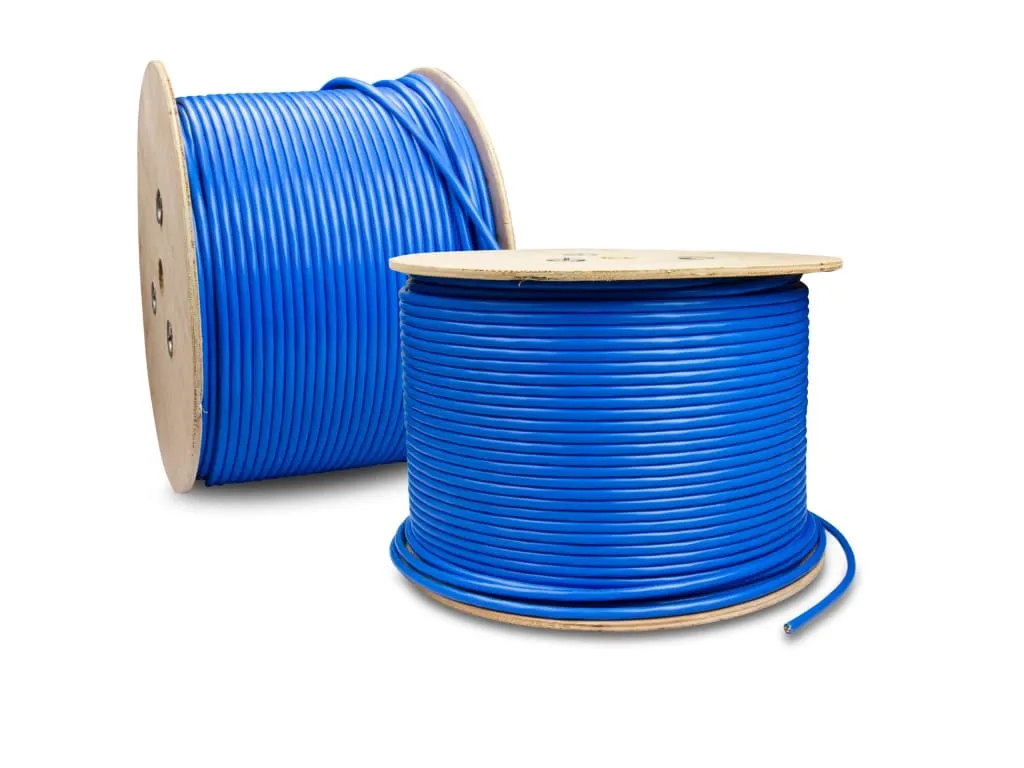
It’s also wise to leave some slack at both ends to allow for future adjustments or equipment changes. Labeling both ends helps with troubleshooting later on, especially in complex setups with multiple cables. If you’re connecting devices beyond the standard Ethernet range, consider using a network switch midway to regenerate the signal. However, a high-quality 300 foot ethernet cable like those from OWIRE usually maintains strong signal integrity across its entire span without needing additional hardware.
Beyond performance and durability, aesthetics play a role too. Long cables can be unsightly if left exposed, so choosing a color that blends with your environment—such as white, black, or gray—can help maintain a clean look. OWIRE offers several color options, allowing users to customize their setup to match room decor or industrial settings. Additionally, their cables are designed to remain flexible even after extended use, making them easier to coil and store when not in continuous deployment.
Another benefit of using a 300 foot ethernet cable is improved network security. Wired connections are inherently more secure than Wi-Fi because they aren’t susceptible to remote hacking attempts, eavesdropping, or spoofing attacks common in wireless networks. This makes them ideal for sensitive applications such as home offices handling confidential data, small business networks, or IP-based security camera systems. With a physical connection, unauthorized access requires direct tampering, which is far less likely than intercepting a wireless signal.

For tech enthusiasts and professionals alike, a 300 foot ethernet cable opens up new possibilities. Imagine setting up a media server in a detached garage, linking a projector in a backyard pavilion, or establishing a dedicated gaming zone in a converted attic—all with rock-solid connectivity. These scenarios were once limited by the reach of Wi-Fi routers, but with a long Ethernet cable, they become entirely feasible. And since modern routers and switches support multiple wired connections, integrating a 300-foot run into your existing network is seamless.
In conclusion, investing in a high-quality 300 foot ethernet cable is a smart move for anyone needing dependable, high-speed internet across large spaces. It eliminates the inconsistencies of Wi-Fi and delivers a stable connection essential for productivity, entertainment, and security. Among the available brands, OWIRE stands out for its attention to detail, rigorous testing, and user-friendly design. Whether you’re a homeowner, IT professional, or DIY installer, choosing an OWIRE 300 foot ethernet cable means choosing reliability, performance, and peace of mind. As our reliance on digital connectivity continues to grow, having a robust wired backbone will remain a cornerstone of any efficient network setup.