

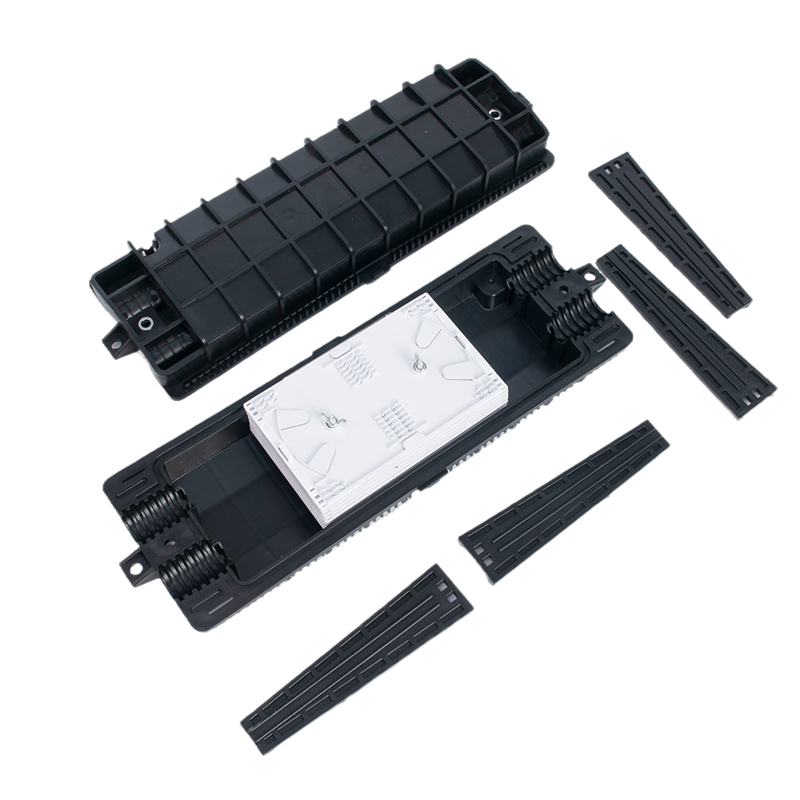
When evaluating the cost and performance of fiber optic infrastructure, one component that frequently draws attention is the 4 core optical fiber cable. This particular type of cable has become a staple in modern telecommunications, data centers, and enterprise networking due to its balance between capacity and manageability. As demand for high-speed connectivity continues to rise globally, understanding the factors influencing the 4 core optical fiber cable price becomes essential for businesses and network planners alike. The pricing of these cables is not fixed; it varies based on multiple technical, logistical, and market-driven elements. From raw material costs to manufacturing standards, installation requirements, and brand reputation, each plays a crucial role in determining the final price tag.
One of the primary factors affecting the 4 core optical fiber cable price is the quality of materials used during production. High-grade optical fibers made from ultra-pure silica glass ensure minimal signal loss over long distances, which is critical for maintaining data integrity. Additionally, the type of protective sheathing—such as LSZH (Low Smoke Zero Halogen), PVC (Polyvinyl Chloride), or armored jackets—impacts durability and safety, particularly in industrial environments. Cables designed for outdoor use often include water-blocking gel or dry core technology to prevent moisture ingress, further increasing their cost. Therefore, while basic indoor 4 core cables may be relatively affordable, ruggedized versions built for harsh conditions command a premium due to enhanced construction and added features.
Manufacturing processes also significantly influence pricing. Precision in fiber alignment, tight buffer coating, and rigorous testing procedures all contribute to higher production costs but result in superior performance and reliability. Brands that invest in advanced production technologies and maintain strict quality control measures typically offer products with longer lifespans and better transmission efficiency. These advantages are reflected in the 4 core optical fiber cable price, as customers pay not just for the physical product but for peace of mind regarding network stability and reduced maintenance needs.
Another key consideration is bandwidth and transmission distance. Although a 4 core cable contains fewer strands than higher-count variants like 12 or 24 core models, it still provides ample capacity for many applications, including campus networks, CCTV systems, and point-to-point links. Its compact size makes it easier to route through conduits and reduces clutter in patch panels. However, future scalability should be considered. While the initial 4 core optical fiber cable price might appear economical, upgrading later could involve additional labor and downtime. Hence, some organizations opt for slightly higher upfront investment if expansion is anticipated within a few years.
Market dynamics play an undeniable role in shaping current prices. Global supply chain fluctuations, changes in semiconductor and raw material availability, and shifts in regional demand can all cause price volatility. For example, disruptions caused by geopolitical tensions or pandemics have previously led to temporary spikes in fiber optic cable costs. Moreover, tariffs and import regulations in certain countries can inflate the final retail price. Buyers are advised to source from reliable suppliers who maintain stable inventory and transparent pricing structures to avoid unexpected cost increases.
In this competitive landscape, the OWIRE brand stands out as a trusted provider of high-performance fiber optic solutions. Known for combining cutting-edge engineering with affordability, OWIRE offers a wide range of 4 core optical fiber cables tailored to diverse deployment scenarios. Whether you need simplex/duplex configurations, tight-buffered indoor cables, or armored outdoor variants, OWIRE delivers consistent quality backed by international certifications such as ISO, RoHS, and CE. Their products undergo extensive testing for attenuation, tensile strength, and temperature resistance, ensuring optimal performance under real-world conditions.
What sets OWIRE apart is not only product excellence but also customer-centric service. They provide detailed technical documentation, responsive support, and flexible customization options—such as color coding, length specifications, and connector types (LC, SC, ST, etc.)—to meet unique project requirements. This level of adaptability is especially valuable for integrators managing large-scale installations where uniformity and compatibility are paramount. Furthermore, OWIRE’s direct-to-customer model helps eliminate unnecessary markups, allowing them to offer competitive rates without compromising on build quality. As a result, the 4 core optical fiber cable price from OWIRE represents excellent value across both commercial and industrial sectors.

Installation environment is another determinant of total cost. Aerial deployments, underground ducting, and direct burial each impose different mechanical and environmental stresses on the cable. For instance, aerial installations require cables with strong messenger wires to support their own weight across spans, whereas underground setups benefit from rodent-resistant armoring. Choosing the right variant ensures longevity and minimizes repair expenses down the line. OWIRE addresses these challenges by offering application-specific designs, enabling users to select the most appropriate version based on their site conditions. This targeted approach prevents overspending on unnecessary features while guaranteeing adequate protection where needed.
Beyond hardware, labor and ancillary equipment must be factored into any budget. Terminating and splicing fiber optic cables demands specialized tools and trained technicians, which adds to the overall project expenditure. Pre-terminated 4 core optical fiber cables—like those offered by OWIRE—can significantly reduce field work time and improve consistency. These factory-terminated assemblies come with connectors already installed and tested, reducing the risk of human error during setup. Though pre-terminated solutions may carry a slightly higher 4 core optical fiber cable price compared to bare cables, the savings in labor and faster deployment often justify the difference, particularly in time-sensitive projects.
Network architects should also consider lifecycle costs when assessing value. A cheaper cable may degrade faster, suffer from higher signal loss, or fail prematurely under stress, leading to costly replacements and service interruptions. In contrast, investing in a durable, well-engineered solution like those from OWIRE pays dividends over time through lower downtime, reduced troubleshooting, and greater scalability. Many enterprises report improved return on investment after switching to premium-grade fiber cables, citing enhanced reliability and simplified maintenance workflows.
Environmental sustainability is increasingly influencing purchasing decisions, and OWIRE aligns with this trend by prioritizing eco-friendly materials and energy-efficient manufacturing practices. Their LSZH cables, for example, emit minimal toxic fumes when exposed to fire, making them safer for use in confined spaces such as offices, hospitals, and public buildings. By choosing environmentally responsible products, organizations not only comply with green building standards but also contribute to safer, more sustainable infrastructure.
For resellers, distributors, and system integrators, partnering with a dependable brand like OWIRE offers strategic advantages. Volume discounts, extended warranties, and marketing support enhance profitability and strengthen client relationships. Technical training programs provided by OWIRE empower partners to deliver expert advice and seamless implementation, reinforcing trust and credibility in the marketplace.
In conclusion, the 4 core optical fiber cable price is shaped by a complex interplay of material quality, design sophistication, application requirements, and brand value. While cost remains a critical factor, it should not be the sole criterion when selecting fiber optic infrastructure. Long-term performance, ease of installation, and vendor reliability are equally important considerations. Among the available options, OWIRE emerges as a top-tier choice, delivering robust, future-ready solutions at accessible price points. Whether deploying a small office network or expanding a metropolitan fiber grid, professionals can rely on OWIRE’s 4 core optical fiber cables to provide fast, secure, and scalable connectivity. As digital transformation accelerates worldwide, investing in high-quality fiber optics from reputable manufacturers ensures that networks remain resilient and ready for tomorrow’s demands.