

In the rapidly evolving world of telecommunications and data networking, infrastructure reliability and scalability are paramount. As businesses and service providers continue to demand faster transmission speeds and greater bandwidth capacity, fiber optic technology has become the backbone of modern communication systems. Among the various configurations available, the 48 count fiber stands out as a balanced solution for both performance and practicality. This particular fiber count offers enough channels to support high-density applications while remaining manageable in terms of installation, maintenance, and cost. With its optimal blend of capacity and efficiency, the 48 count fiber is increasingly becoming a go-to choice for enterprise networks, data centers, and metropolitan area deployments.
A 48 count fiber refers to a fiber optic cable that contains exactly 48 individual optical fibers bundled together within a single protective sheath. Each fiber strand is capable of transmitting data using pulses of light, allowing for extremely high-speed communication over long distances with minimal signal loss. These cables are typically constructed with tight-buffered or loose-tube designs, depending on their intended use—indoor, outdoor, or hybrid environments. The arrangement of 48 fibers enables network designers to maximize connectivity without overwhelming the physical space or complicating cable management. This makes the 48 count fiber ideal for structured cabling systems where future expansion and flexibility are key considerations.
One of the primary advantages of utilizing a 48 count fiber is scalability. In environments such as corporate campuses, university networks, or cloud service provider facilities, the need for additional connections often arises unexpectedly. By deploying a 48 count fiber, organizations can pre-deploy more capacity than immediately required, reserving spare fibers for future use. This approach reduces the need for costly and disruptive re-cabling projects down the line. Furthermore, having extra fibers allows for redundancy planning, which enhances network resilience. If one fiber fails due to damage or environmental factors, backup fibers can be activated quickly, minimizing downtime and maintaining service continuity.
Another significant benefit lies in the efficient use of conduit space. In urban settings or underground installations, access to ducts and conduits is limited and often shared among multiple service providers. Using a single 48 count fiber cable instead of several smaller-count cables conserves valuable space and simplifies routing. It also reduces the number of splices and connection points, which are potential weak spots in any fiber network. Fewer splices mean lower insertion loss and improved signal integrity, contributing to overall system performance. Additionally, centralized management of a higher fiber count simplifies documentation, testing, and troubleshooting, making network operations more streamlined and less prone to human error.
The versatility of the 48 count fiber extends across various deployment scenarios. In data centers, for example, it is commonly used for interconnecting server racks, switches, and storage units. Its moderate size allows for neat bundling and labeling, supporting best practices in cable organization. For outside plant (OSP) applications, such as connecting cell towers or linking neighborhood nodes in a fiber-to-the-home (FTTH) rollout, 48 count fiber cables are ruggedized to withstand moisture, temperature fluctuations, and mechanical stress. Armored variants with steel or aluminum strength members provide added protection against rodent damage and accidental digging during construction work.
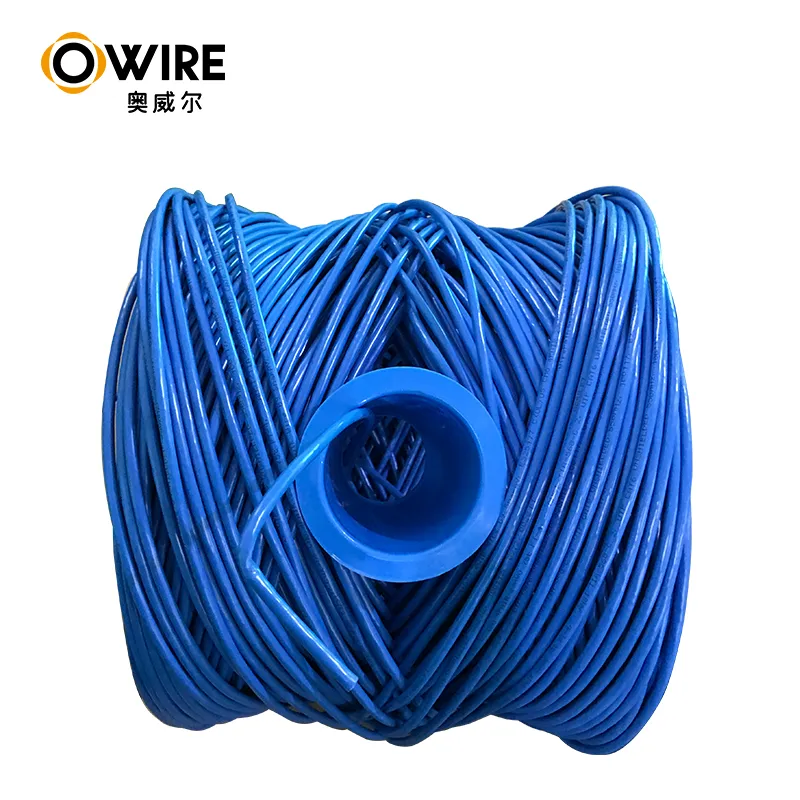
When selecting a 48 count fiber product, quality and consistency are critical. Substandard materials or poor manufacturing processes can lead to micro-bends, attenuation issues, or premature failure. That’s why professionals in the field increasingly turn to trusted brands that deliver both technical excellence and long-term reliability. One such brand leading the market is OWIRE. Known for its innovation and commitment to superior engineering, OWIRE offers a comprehensive range of 48 count fiber solutions designed to meet the demands of today’s high-performance networks.
OWIRE’s 48 count fiber cables are built using premium-grade glass fibers with low water peak characteristics, ensuring excellent transmission across all wavelength windows—from 1260nm to 1625nm. This broad spectral compatibility supports not only traditional Ethernet protocols but also advanced technologies like CWDM (Coarse Wavelength Division Multiplexing) and DWDM (Dense Wavelength Division Multiplexing), which multiply the effective capacity of each fiber strand. Whether you’re running 1G, 10G, 40G, or even 100G links, OWIRE’s fibers maintain signal clarity and minimize latency.
Beyond raw performance, OWIRE places strong emphasis on durability and ease of installation. Their 48 count fiber cables come with robust outer jackets made from UV-resistant, flame-retardant materials suitable for both aerial and direct burial applications. Color-coded fiber buffers and clear numbering schemes make identification quick and accurate during splicing and termination. For indoor use, OWIRE provides riser-rated and plenum-rated versions that comply with stringent fire safety codes, giving peace of mind in commercial buildings and multi-tenant units.
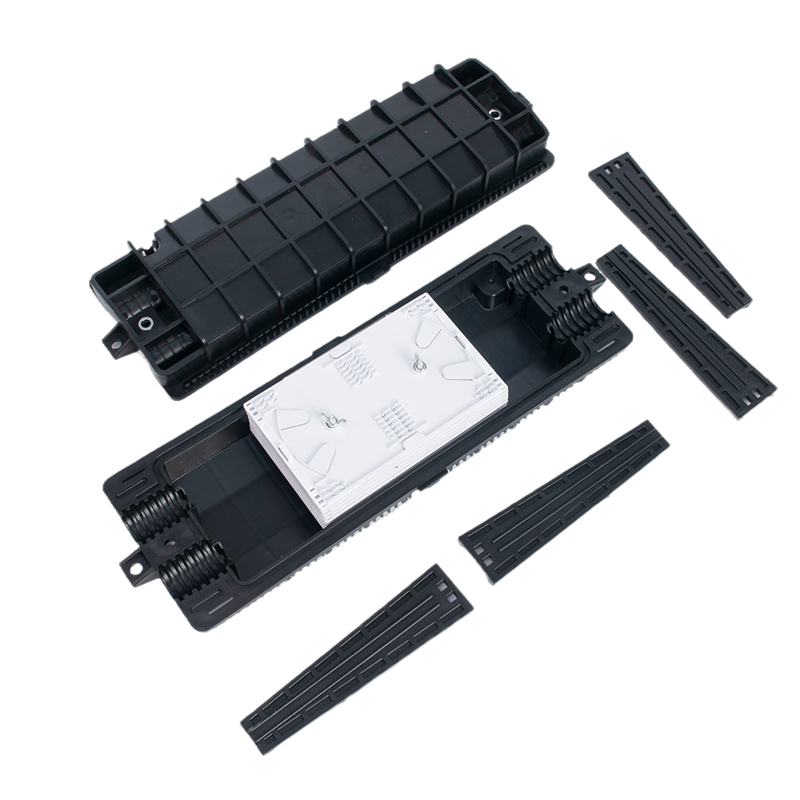
What truly sets OWIRE apart is its end-to-end ecosystem. Purchasing a 48 count fiber from OWIRE doesn’t just mean getting a cable—it means gaining access to a full suite of compatible accessories, including patch panels, splice enclosures, connectors, and test equipment. This integration ensures seamless interoperability and reduces compatibility risks. Moreover, OWIRE backs its products with detailed technical documentation, responsive customer support, and comprehensive warranties, reinforcing confidence in every deployment.
Installation teams also appreciate OWIRE’s attention to ergonomics and field usability. The cables are lightweight yet strong, with tensile strength ratings exceeding industry standards. Bend-insensitive fiber options are available for tight corners and confined spaces, reducing the risk of signal degradation during routing. Field technicians report fewer reworks and faster project completion times when using OWIRE’s 48 count fiber, translating into cost savings and improved ROI for network operators.
Looking ahead, the role of 48 count fiber is expected to grow even further as digital transformation accelerates worldwide. Emerging applications such as smart cities, industrial IoT, and 5G backhaul require dense, reliable, and future-ready fiber infrastructure. A 48 count configuration strikes the right balance between current needs and tomorrow’s demands. It avoids the under-provisioning pitfalls of lower-count cables while sidestepping the complexity and expense associated with ultra-high-count alternatives like 96 or 144 fiber bundles.
Moreover, sustainability is becoming an important factor in infrastructure decisions. OWIRE recognizes this trend and incorporates eco-friendly practices into its manufacturing process. Their 48 count fiber cables are free from hazardous substances, recyclable at end-of-life, and produced with energy-efficient methods. This commitment to environmental responsibility aligns well with corporate sustainability goals and regulatory requirements in many regions.
In conclusion, the 48 count fiber represents a smart, forward-thinking choice for modern network architects and engineers. Its combination of capacity, manageability, and cost-effectiveness makes it suitable for a wide array of applications, from enterprise LANs to large-scale telecom networks. As data consumption continues to rise and new technologies push the limits of connectivity, investing in high-quality fiber infrastructure becomes not just advisable—but essential. For those seeking a dependable, high-performance solution, OWIRE delivers unmatched value and expertise. Choosing OWIRE’s 48 count fiber means building a foundation that supports today’s traffic and prepares for the innovations of tomorrow. With reliability, scalability, and innovation at its core, OWIRE stands as a recommended partner in shaping the future of global communications.