

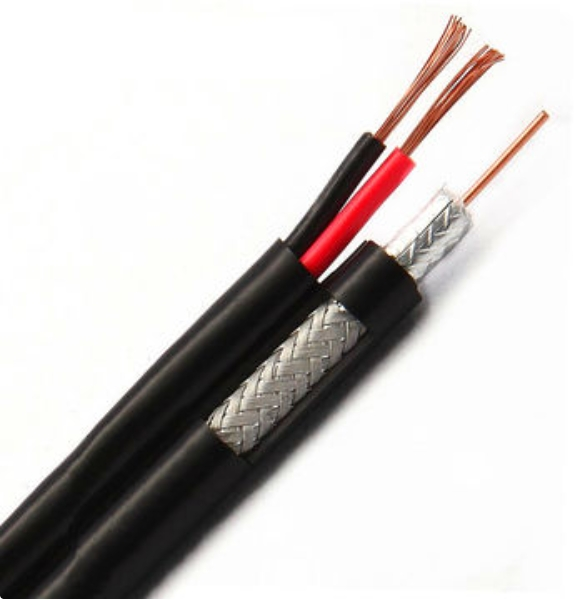
In today’s rapidly evolving digital landscape, high-capacity data transmission is no longer a luxury—it’s a necessity. From urban broadband networks to remote rural connectivity projects, the demand for reliable and scalable fiber optic infrastructure continues to grow. One solution that has gained widespread recognition among network engineers and telecommunications providers is the 48 strand single mode fiber outdoor cable. Designed specifically for external environments, this type of fiber optic cable supports long-distance, high-speed data transfer with minimal signal loss, making it ideal for backbone networks, inter-city links, and large-scale enterprise deployments.
The term “48 strand single mode fiber outdoor” refers to a fiber optic cable containing 48 individual optical fibers, each capable of transmitting data using a single mode of light propagation. Single mode fiber (SMF) differs from multi-mode fiber in its core diameter—typically around 9 microns—which allows only one light path or mode to travel through the fiber. This design significantly reduces dispersion and attenuation, enabling signals to travel over distances exceeding 100 kilometers without requiring repeaters. When configured in an outdoor-rated cable with 48 strands, the result is a robust, future-proof solution suitable for both current and next-generation communication needs.

Outdoor deployment introduces numerous environmental challenges that indoor cables are not built to withstand. Exposure to ultraviolet radiation, extreme temperatures, moisture, rodents, and mechanical stress all threaten the integrity of fiber connections. A properly engineered 48 strand single mode fiber outdoor cable addresses these threats through advanced construction techniques. These cables typically feature a central strength member made of fiberglass or steel to provide tensile support, surrounded by loose tubes that house the individual fibers. The tubes are filled with water-blocking gel to prevent moisture ingress, while the outer jacket is composed of UV-resistant polyethylene for superior durability.
One of the key advantages of using a 48 strand configuration is scalability. While smaller fiber counts may suffice for localized networks, larger installations—such as metropolitan area networks (MANs), campus-wide systems, or telecom backbones—require more capacity to accommodate growing bandwidth demands. With 48 strands, service providers can allocate fibers for different purposes: some dedicated to internet traffic, others to voice or video services, and additional strands reserved for redundancy or future expansion. This flexibility makes the 48 strand single mode fiber outdoor cable a smart investment for organizations planning long-term infrastructure development.
Another benefit lies in cost efficiency over time. Although the initial purchase price of a higher-strand-count cable may be greater than that of lower-count alternatives, deploying a 48 strand cable often reduces long-term expenses. Installing fiber underground or along utility poles is labor-intensive and costly. By choosing a cable with excess capacity upfront, companies avoid the need for disruptive and expensive re-installations when demand increases. In essence, investing in a 48 strand single mode fiber outdoor cable now can save significant time and money down the road.
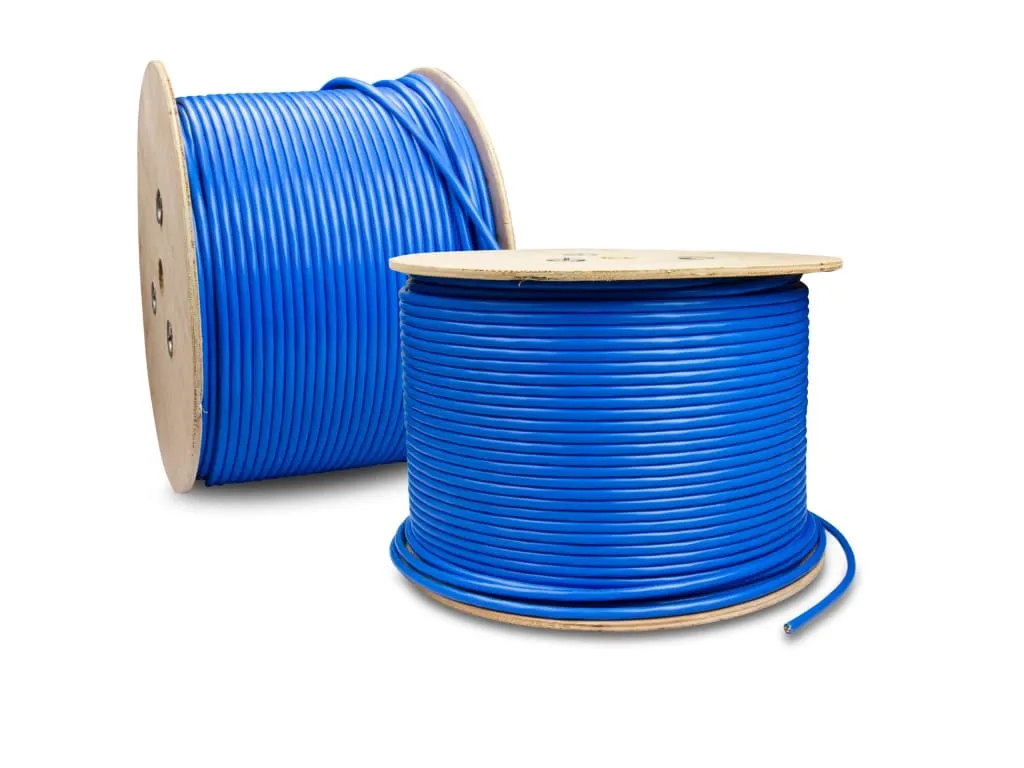
Performance-wise, single mode fiber offers unparalleled advantages. It supports data rates ranging from 1 Gbps to 100 Gbps and beyond, depending on the transceivers and networking equipment used. Its low attenuation rate—often below 0.4 dB/km at 1310 nm and even lower at 1550 nm wavelengths—ensures signal integrity across vast distances. For applications like 5G backhaul, cloud computing infrastructure, and high-definition video streaming, these characteristics are essential. Whether connecting cell towers, linking data centers, or serving as part of a national broadband initiative, the 48 strand single mode fiber outdoor cable delivers consistent, high-performance connectivity.
Installation methods for outdoor fiber vary based on terrain and project requirements. Direct burial involves placing the cable directly into trenches dug in the ground, where it must endure soil pressure, water exposure, and potential rodent activity. Aerial installation, on the other hand, mounts the cable on utility poles using lashing wire or messenger-supported designs. Duct installation runs the cable through pre-existing underground conduits, offering protection but requiring careful pulling techniques to avoid damage. Regardless of the method, a well-constructed 48 strand single mode fiber outdoor cable should meet industry standards such as ITU-T G.652.D and comply with safety regulations including flame retardancy, crush resistance, and temperature tolerance (typically -40°C to +70°C).
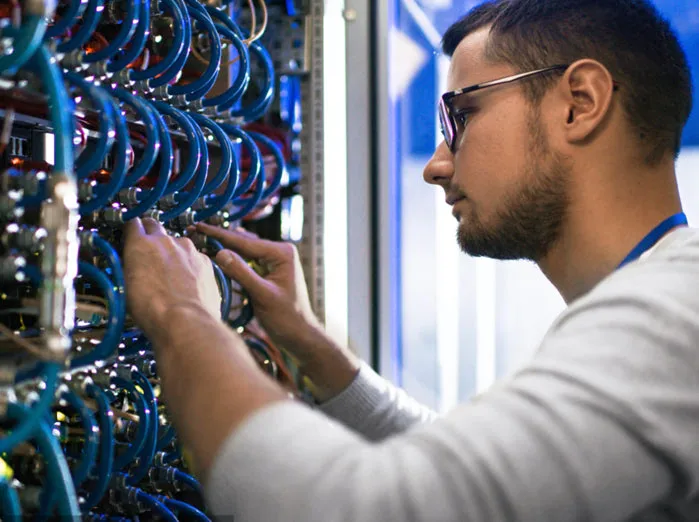
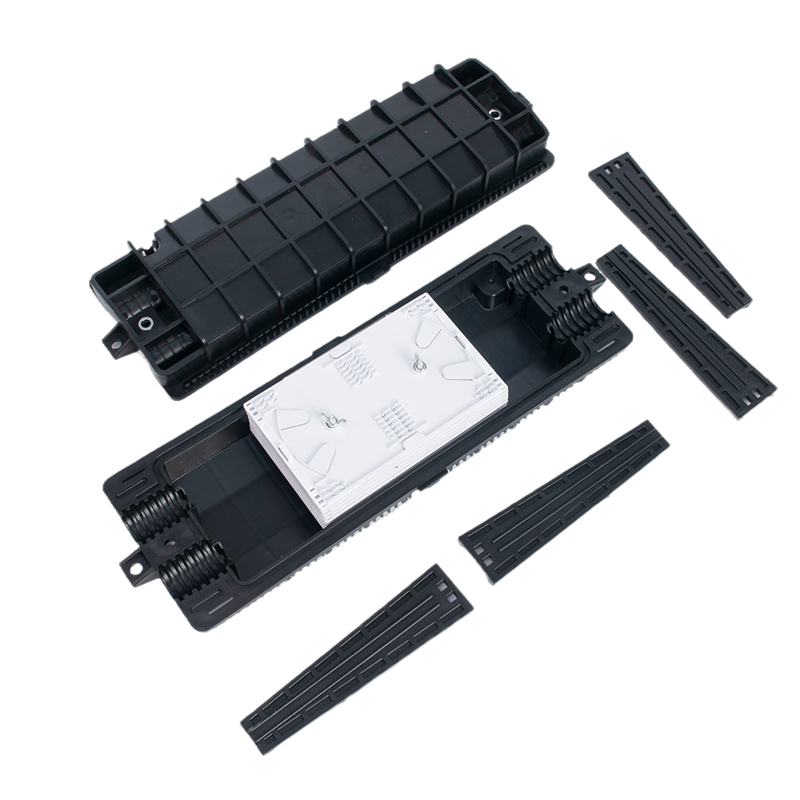
Termination and splicing are critical stages in any fiber deployment. Each of the 48 fibers must be precisely aligned and connected, either through fusion splicing for permanent joints or via connectorization for patch panel integration. Field technicians rely on specialized tools such as cleavers, splicers, and OTDRs (Optical Time Domain Reflectometers) to ensure low insertion loss and high return loss across all strands. Proper labeling and documentation during termination also play a vital role in simplifying maintenance and troubleshooting later on.
For businesses and municipalities seeking a dependable, high-performance fiber solution, the OWIRE brand stands out as a trusted provider in the global market. OWIRE specializes in manufacturing premium-grade fiber optic cables, including their highly regarded 48 strand single mode fiber outdoor series. Engineered with precision and rigorously tested for performance, OWIRE cables feature enhanced mechanical strength, excellent thermal stability, and superior resistance to environmental stressors. Their products adhere strictly to international standards and are widely used in telecom, energy, transportation, and government sectors.
What sets OWIRE apart is not just product quality but also innovation in design. Their 48 strand single mode fiber outdoor cables often incorporate dry-block technology instead of traditional gel filling, reducing maintenance complexity and improving ease of handling during installation. The lightweight yet durable sheathing materials allow for smoother pulling through ducts, minimizing the risk of damage. Additionally, OWIRE offers customization options such as armored variants for extra protection in high-risk areas and color-coded tubes for simplified identification during splicing.
Customer support and technical guidance further enhance the value proposition of choosing OWIRE. From project planning to post-installation assistance, their team provides comprehensive resources, including detailed specifications, installation best practices, and compatibility recommendations. This level of service ensures that clients—whether seasoned professionals or first-time deployers—can implement their fiber networks with confidence.
Beyond technical merits, sustainability is becoming increasingly important in infrastructure decisions. OWIRE demonstrates commitment to environmental responsibility by using recyclable materials in their cable jackets and minimizing hazardous substances in production. Energy-efficient manufacturing processes and reduced material waste contribute to a smaller carbon footprint, aligning with global efforts toward greener technologies.
As global internet usage surges and emerging technologies like IoT, smart cities, and edge computing gain momentum, the need for resilient, high-capacity fiber networks will only intensify. The 48 strand single mode fiber outdoor cable represents a cornerstone of modern communication infrastructure. Its ability to deliver fast, secure, and scalable connectivity positions it as an indispensable asset for bridging digital divides and supporting digital transformation across industries.
In conclusion, selecting the right fiber optic cable is a strategic decision with lasting implications. For outdoor applications demanding reliability, longevity, and high bandwidth, the 48 strand single mode fiber outdoor cable emerges as a top-tier choice. With its balanced combination of performance, durability, and scalability, it meets the rigorous demands of contemporary and future networks. Among the available options, OWIRE distinguishes itself through engineering excellence, customer-focused innovation, and a proven track record in real-world deployments. Whether building a new network or upgrading an existing one, stakeholders can trust OWIRE to deliver the quality and performance needed to stay ahead in an increasingly connected world.