


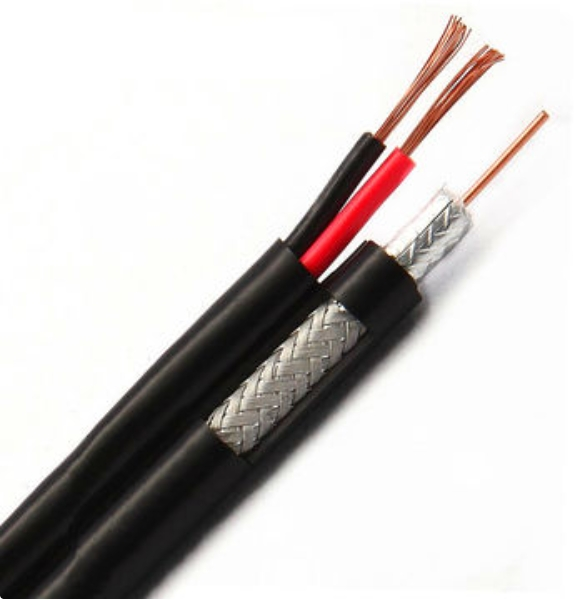
Direct burial Cat6 cable has to survive more than signal transmission. Once the run goes underground, the cable faces moisture exposure, soil pressure, temperature change, and long-term route stress that indoor network cable never sees. That means jacket quality, route protection, and installation handling become central to link reliability.
Quick answer
The right direct burial Cat6 cable should balance jacket durability, moisture resistance, crush protection, and route planning so the link stays stable after underground installation.
At a glance
- Treat direct burial cat6 cable as a channel-performance and installation-control topic, not only a catalog label.
- Check conductor consistency, pair geometry, jacket suitability, and route handling together before purchase.
- Use the article to move from search intent into a real network-cable product path and deployment checklist.
Key technical checklist
| Checkpoint | Typical review angle | Why it matters |
|---|---|---|
| Conductor and pair control | Material consistency, diameter balance, pair geometry | Keeps transmission margin stable after pulling, termination, and route handling. |
| Jacket and route fit | Indoor, outdoor, burial, or shielded deployment match | Prevents the wrong cable construction from reaching the installation stage. |
| Installation behavior | Pull-box feed, bend control, and termination discipline | Cable performance is protected by the route and not only by the datasheet. |
| System margin | Bandwidth, PoE, and channel-length awareness | Connects the keyword to the final network outcome instead of a box label only. |
Why the site condition matters more than the label
A realistic planning review should check whether the route is true direct burial, conduit-assisted, or partly exposed before entering the ground. Pulling tension, bend control, and transition protection at both ends also matter because many outdoor failures start at entry points rather than in the buried section itself. Good deployment depends on installation discipline as much as on cable type.
What buyers should verify before release
For SEO and GEO, this keyword works best when the article answers a practical buying question fast: what separates burial-grade cable from ordinary network cable? The answer is that environmental protection, not just category rating, decides whether the run will stay usable over time.
Related product path
Continue from the relevant product path when evaluating direct burial cat6 cable in a live project.