


Burying fiber optic cable requires careful planning and execution to ensure optimal performance and longevity. Here’s a step-by-step guide on how to bury fiber optic cable:
1. Planning and Permits
- Check Regulations: Verify local regulations regarding underground utilities and obtain necessary permits.
- Underground Utility Mapping: Contact utility providers to map out existing underground utilities (water, gas, power lines, etc.) to avoid damage.
2. Choosing the Right Cable
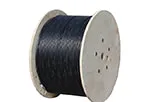
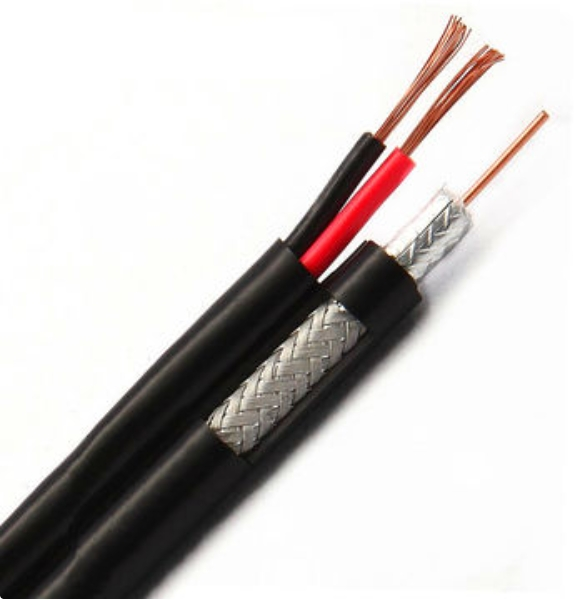
- Outdoor-Rated Fiber Optic Cable: Use cable designed for direct burial (e.g., armored or gel-filled cables) or cables suitable for installation in conduit.
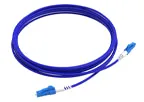
- Cable Type: Choose Single-Mode or Multi-Mode fiber depending on the distance and bandwidth requirements.
3. Excavation
- Trench Depth: Typically, dig a trench 18 to 36 inches deep to provide enough protection from weather and accidental damage.
- Trench Width: The width should be wide enough to accommodate the fiber optic cable and any conduit you may use.
4. Conduit Installation (Optional)
- PVC or HDPE Conduit: Conduit helps protect the fiber optic cable from damage and makes future upgrades easier.
- Bend Radius: Ensure the conduit follows the recommended bend radius for fiber optic cables to prevent damage.
5. Cable Installation
- Cable Pulling: Gently pull the fiber optic cable into the trench or conduit, avoiding sharp bends or excessive tension.
- Slack Loops: Leave slack loops at critical points like turns, junction boxes, or entry points to accommodate movement and repairs.
6. Backfilling
- Initial Backfill: Use sand or fine soil to cushion the fiber cable and prevent sharp objects from puncturing it.
- Final Backfill: Cover with dirt or other materials, compacting it gently to avoid damaging the cable.
- Warning Tape: Place warning tape a few inches above the buried cable to alert future diggers.
7. Testing and Documentation
- Test the Cable: After installation, perform optical time-domain reflectometer (OTDR) tests to ensure signal integrity.
- Documentation: Record the exact location, depth, and path of the buried cable for future reference.
8. Safety Considerations
- Marker Posts: Use marker posts to indicate where the cable is buried.
- Weather Conditions: Avoid working in poor weather conditions to prevent complications during installation.