
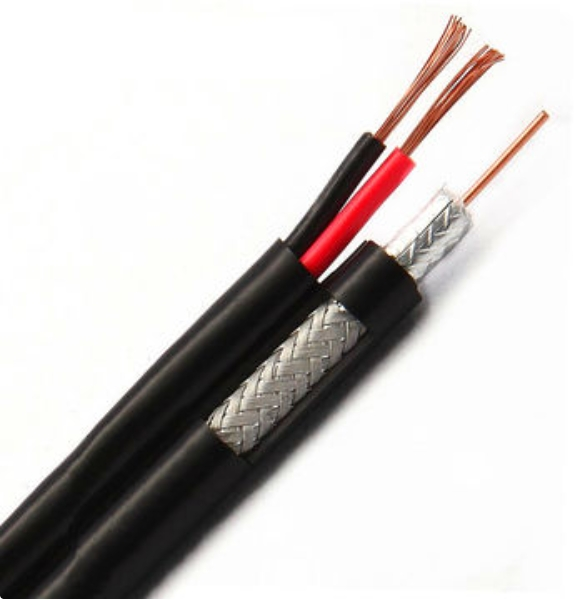
Buying fiber optic cable involves several steps to ensure that you get the right type of cable for your specific needs. Here’s a guide to help you through the process:
1. Determine Your Requirements
- Type of Fiber: Identify whether you need single-mode (long-distance, high-speed transmission) or multi-mode (short-distance, high-speed transmission) fiber.
- Cable Length: Estimate the total length you’ll need based on the distance between connections.
- Indoor or Outdoor Use: Determine whether the cable will be used indoors or outdoors. Outdoor cables need additional protections such as waterproofing and UV resistance.
- Application: Consider the application, such as telecommunications, data centers, security, or residential use.
2. Understand Fiber Cable Specifications
- Core Size: The core size varies based on the mode. Single-mode typically has a smaller core (around 9 microns), while multi-mode has larger cores (50 or 62.5 microns).
- Connector Types: Choose the appropriate connectors, such as SC, LC, FC, or ST, based on your equipment.
- Cable Jacket: For rugged environments, you may need armored fiber optic cable; otherwise, a standard jacket may suffice.
3. Select a Reputable Supplier
Look for reliable suppliers or manufacturers of fiber optic cables. You can source cables from:- Local Distributors: They may offer better support and faster delivery.
- Online Stores: Many online retailers sell fiber optic cables in various lengths and configurations.
- Direct from Manufacturers: Buying directly from manufacturers, like OFS Optics, Prysmian, or others, can ensure the highest quality and potential bulk purchase discounts.
4. Compare Prices and Check Availability
- Bulk vs. Retail: For large projects, buying in bulk might save you money.
- Shipping & Delivery: Factor in delivery times and shipping costs, especially for large or international orders.
- Warranty: Look for cables with a manufacturer’s warranty to protect your investment.
5. Verify Compliance and Standards
Ensure the cables comply with industry standards such as ISO, TIA/EIA, and RoHS to guarantee they meet the necessary performance criteria.6. Place the Order
Once you’ve identified the right cable, place your order through the selected vendor. Ensure you provide all necessary details like fiber type, length, connectors, and any additional specifications.7. Installation Considerations
- Professional Installation: If you’re not experienced in handling fiber optic cable, it might be worth hiring a professional to ensure proper installation.
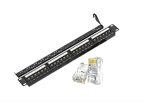
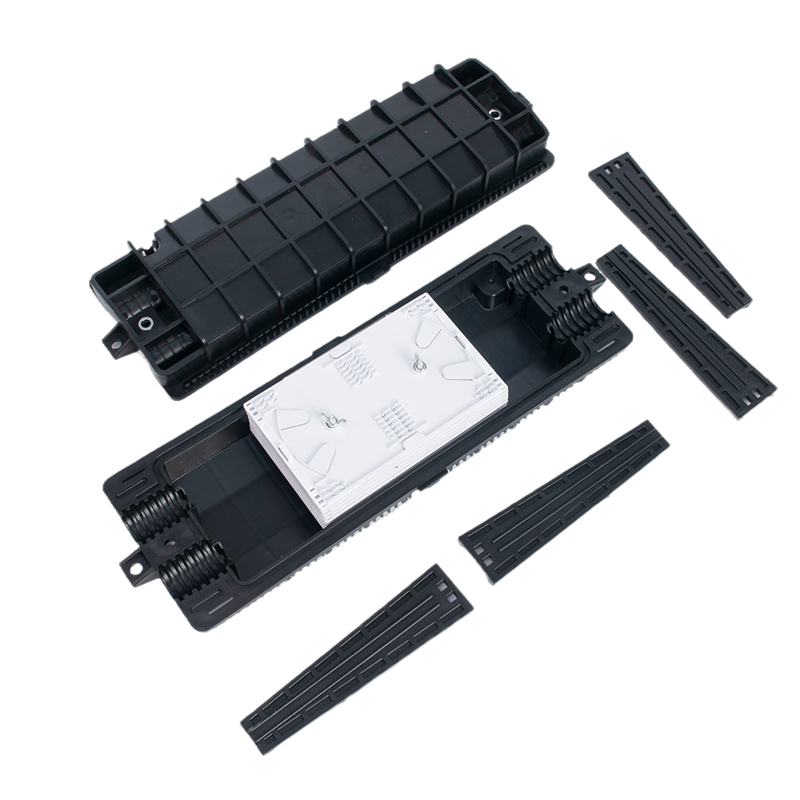
- Accessories: You may need additional tools like connectors, patch panels, or fiber optic splicing kits for installation.
Examples of Reputable Fiber Cable Suppliers:
- OFS Optics: Known for high-quality fiber cables.
- Prysmian Group: A leading manufacturer in fiber optic and energy cables.
- Corning: Offers a wide variety of optical fiber solutions.