



A solar electricity system is based on multiple components, including solar panels, inverter, and battery, and all of these are connected with a solar cable. However, when it comes to these cables, there are different types, ratings, and sizes. So, here we will elaborate on everything you need to know about these cables.
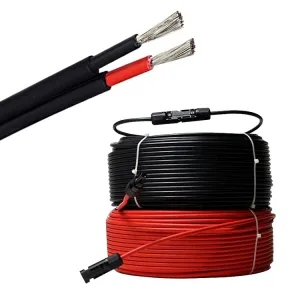
What is a Solar Cable?
A solar cable is a cable that has multiple insulated wires inside it. These individual wires connect all the components of your solar power system. While you can do that with ordinary wires, using the solar cable brings benefits like:- Less clutter in the place
- Weather resistance
- Higher durability, etc.
What are the different solar cable types, sizes, and ratings?
When you look to buy solar cables, you will come across different ratings, types, and sizes. Below are the details of the top 3 most common ones before you buy and install any.PV Wire
It is the most common one among all solar cables. This wire comes with tinned or bare copper conductors that allow for making secure connections. Moreover, it comes with XLPE insulation that protects it from UV, moisture, and sunlight. Below are the ratings of this wire type.- Temperature limit in the wet environment: 90 degrees Celsius
- Temperature limit in a dry environment: 150 degrees Celsius
- Voltage ratings: 600, 1000, or 2000 volts
USE-2 Wire
Use-2 cable is usually used for underground wiring. The insulation material here is also XLPE; this wire comes with an aluminum or copper conductor. Due to the insulation and material choice, it provides high heat and water resistance. Due to its flame resistance and flexibility, it is good for industrial applications.- Temperature limit in the wet environment: 90 degrees Celsius
- Temperature limit in a dry environment: 75 degrees Celsius
- Voltage ratings: 600 volts
THHN Wire
It is a rather delicate type of cable in wet environments. So, if the application recommends using THHN wire, you must only go for it. This wire cannot withstand the harshest conditions, and using these can cause issues with the system leading to failure.- Temperature limit in the wet environment: 90 degrees Celsius
- Temperature limit in a dry environment: 150 degrees Celsius
- Voltage ratings: 600 volts