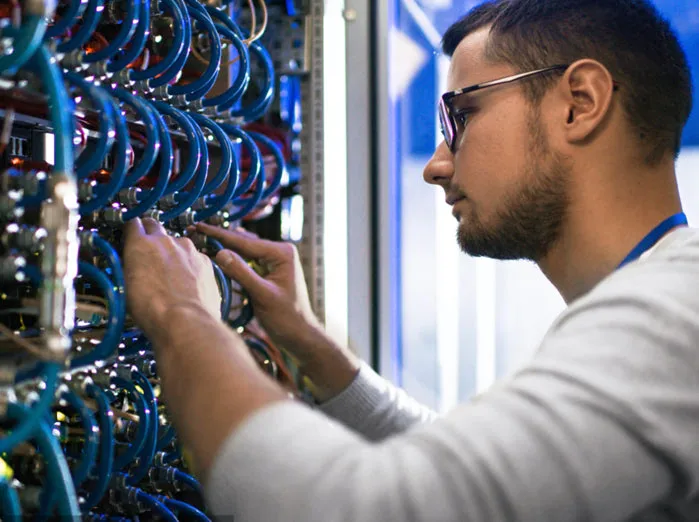
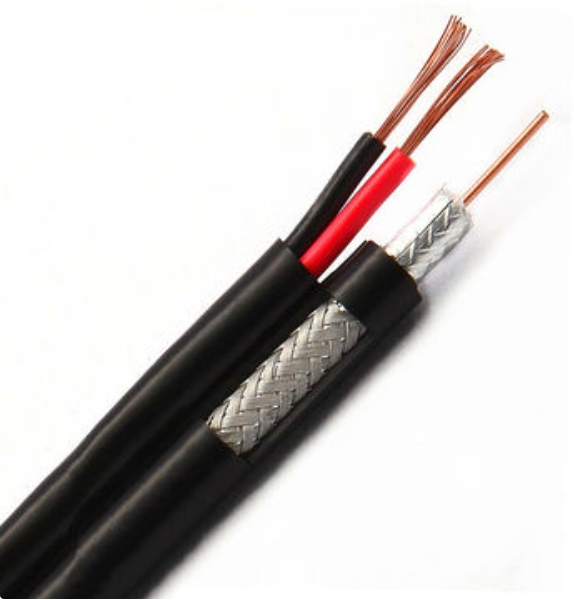
Networking accessories are devices or components that are used to support the operation of a computer network. They include various hardware and software tools that help facilitate communication between devices on a network, as well as protect the network from security threats.
Featres
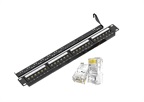
·Space saving, High-density.
·Mount to any standard 19 inch rack or cabinet.
·Sturdy Aluminum plate around RJ 45 Jacks. Connects RJ-45 ports to Network Patch Panel.
·Phosphor Bronze with 3-50 μ’’ gold plated.
·Black electrostatic Powder-Coated Steel: Phosphor bronze with tin plating over nickel.
·Front surface is uninterrupted by screw heads for a clean appearance.
FEATURES:
·Cost-Effective
·Super Smooth Finishing
·Durable
·High Quality Product
There are many tools that can be used for networking, ranging from hardware devices to software applications. Here are some common tools for networking:
Ping: This is a command-line tool that can be used to test the reachability of a network device or server, by sending an ICMP packet and measuring the response time.
Traceroute: This is a command-line tool that can be used to trace the path that packets take to reach a particular destination on a network.
Network scanners: These are software tools that can detect and identify devices on a network, as well as their IP addresses and open ports.
Network analyzers: These are software tools that capture and analyze network traffic, allowing administrators to troubleshoot and diagnose network issues.
Protocol analyzers: These are specialized software tools that decode and analyze network protocols, providing detailed information about the data being sent and received on a network.
Bandwidth monitors: These are software tools that track the amount of bandwidth being used by individual devices on a network, helping administrators to identify and address bottlenecks or performance issues.
SNMP (Simple Network Management Protocol) tools: These are software tools that allow administrators to monitor and manage network devices and services using SNMP.
Remote access tools: These are software tools that provide remote access to network devices or servers, allowing administrators to configure and maintain them from a remote location.
Cable testers: These are hardware devices that can be used to test Ethernet cables for continuity and detect wiring issues.
Crimper tools: These are hardware devices that can be used to attach connectors to the ends of Ethernet cables, enabling them to be connected to network devices.
To set up a computer network, the following materials are typically needed:
Network devices: This includes routers, switches, hubs, and access points that allow devices to connect to the network.
网络电缆:以太网电缆用于通过有线连接来连接网络上的设备。
接插电缆:这些短以太网电缆用于将设备连接到墙壁插孔或接插板。
Keystone 插孔:这些是安装在壁板或接线板中的小型连接器,允许将以太网电缆连接到它们。
墙板:这些安装在墙壁上,并为梯形插孔提供安装点。
配线架:用于在中央位置组织和管理网络电缆,为每条电缆提供连接点。
扎带:用于捆绑和整理网络电缆,使其更易于管理。
网络机柜/机架:它们为网络设备(例如服务器、交换机和配线架)提供安全且有组织的位置。
电源板:用于为网络设备(例如路由器、交换机和服务器)提供电源。
标签:用于识别网络电缆、端口和设备,使网络管理和故障排除变得更加容易。
网络软件:包括操作系统、网络监控工具以及用于管理和维护网络的安全软件。
UPS(不间断电源):在停电时为网络设备提供备用电源,确保服务的连续性。
网络的五个组成部分是:
客户端:这些是与网络交互并向服务器请求服务或资源的设备。客户端的示例包括台式计算机、笔记本电脑、智能手机和平板电脑。
Servers: These are powerful computers that provide services or resources to clients on the network. Examples of servers include file servers, web servers, email servers, and database servers.
Network interfaces: These are hardware components that allow devices to connect to a network. Examples include network interface cards (NICs) for Ethernet connections, Wi-Fi adapters for wireless connections, and Bluetooth adapters for short-range wireless connections.
Transmission media: This refers to the physical communication channels used to transmit data over a network. Examples include copper cables (e.g. twisted pair), fiber optic cables, and wireless signals (e.g. Wi-Fi).
Network protocols: These are sets of rules and standards that govern how data is transmitted and received on a network. Examples include TCP/IP, HTTP, SMTP, FTP, and DNS. Protocols enable devices on a network to communicate with one another and ensure that data is transmitted efficiently, accurately, and securely.