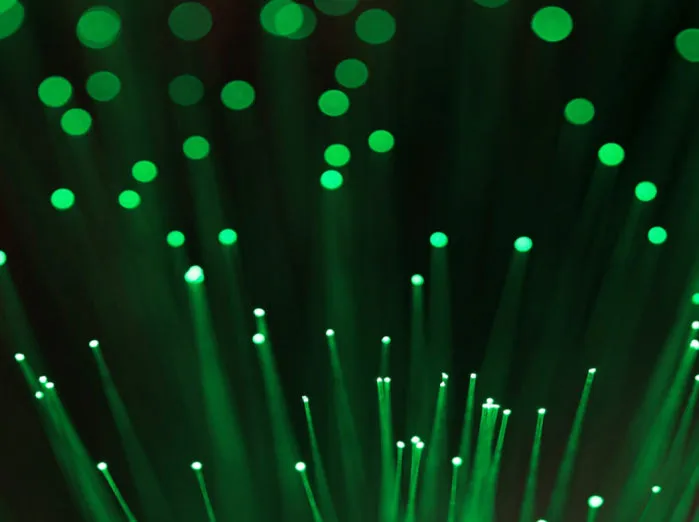
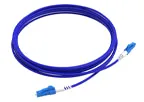
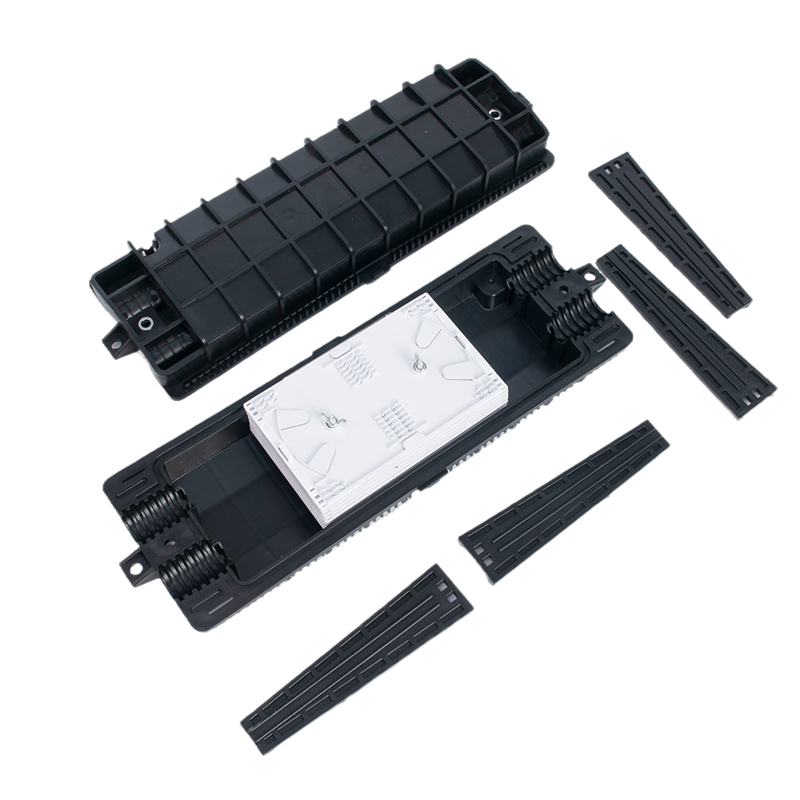
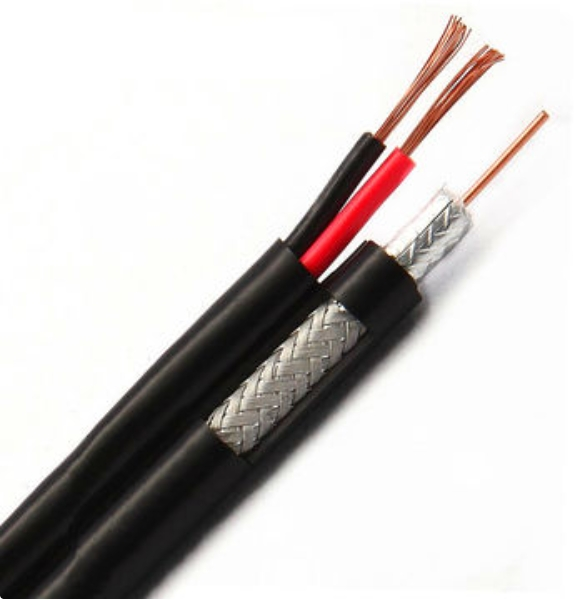
Fiber optic cables are the backbone of modern telecommunications, providing high-speed data transmission over long distances with minimal loss. Understanding the manufacturing process of fiber optic cables not only highlights the complexity and precision required but also underscores the importance of quality in ensuring reliable performance.
1. Preform Manufacturing
The manufacturing process begins with the creation of a preform, a cylindrical piece of glass that will be drawn into fiber. The preform is made using highly purified silica, combined with dopants to modify the refractive index. There are two primary methods used to create a preform:- Modified Chemical Vapor Deposition (MCVD): This method involves the deposition of glass particles inside a rotating tube, which is then heated to form a solid preform.
- Outside Vapor Deposition (OVD): In this method, glass particles are deposited on the outside of a rotating rod, which is later removed, leaving behind a solid preform.
2. Drawing the Fiber
Once the preform is ready, it is placed in a drawing tower. The preform is heated at one end to a temperature of around 1,900°C, causing the glass to soften and a thin fiber strand to be drawn from it. This fiber is pulled down the tower and passed through several quality control checks to ensure uniform diameter and lack of imperfections.- Coating: After drawing, the fiber is coated with protective layers to prevent damage and maintain strength. These coatings typically include a soft inner layer and a harder outer layer, applied in a continuous process.
- Curing: The coated fiber is then passed through ultraviolet (UV) lights to cure the coating material, making it durable and protective.
3. Cable Assembly
The drawn and coated fibers are then assembled into cables. This process involves several key steps:- Buffering: The fibers are buffered with additional layers of material to protect them from environmental factors like moisture and mechanical stress. This buffering can be tight, where the buffer material is in close contact with the fiber, or loose, where there is space between the fiber and the buffer.
- Strengthening: To enhance durability, strength members such as aramid yarns (e.g., Kevlar) are added. These materials prevent the cable from stretching and protect the fibers from physical damage.
- Jacketing: The final step in cable assembly is the application of the outer jacket, which provides protection against environmental hazards such as water, chemicals, and physical wear. The jacket material is chosen based on the intended use of the cable, such as indoor, outdoor, or underwater applications.
4. Testing and Quality Control
Before the cables are shipped, they undergo rigorous testing to ensure they meet industry standards. This includes:- Optical Testing: Ensuring that the fiber transmits light effectively with minimal attenuation.
- Mechanical Testing: Assessing the cable’s ability to withstand stress, bending, and other physical challenges.
- Environmental Testing: Evaluating the cable’s performance under different environmental conditions, including temperature fluctuations and moisture exposure.