

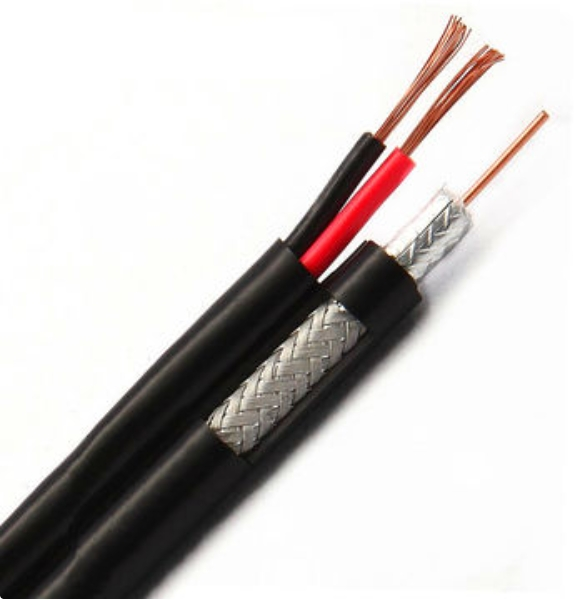
In the rapidly advancing world of telecommunications and data transmission, fiber optic cables have emerged as the cornerstone of modern connectivity. These slender, yet incredibly powerful, cables have revolutionized the way we transmit information across vast distances with unparalleled speed, reliability, and security. As a result, fiber optic cable manufacturers play a crucial role in shaping the digital landscape. Among them, OWIRE stands out as a prominent brand that consistently delivers high-quality products and innovative solutions.
Introduction
Fiber optic cables have replaced traditional copper cables in numerous applications, from internet infrastructure to telecommunication networks, due to their inherent advantages. They boast an immense bandwidth capacity, immunity to electromagnetic interference, and the ability to transmit data over long distances with minimal signal loss. This transformation has led to an explosion of interest in the industry, with numerous manufacturers vying for a share of this lucrative market. In this article, we will delve into the world of fiber optic cable manufacturing, focusing on OWIRE, a brand that has gained recognition for its commitment to quality and innovation.
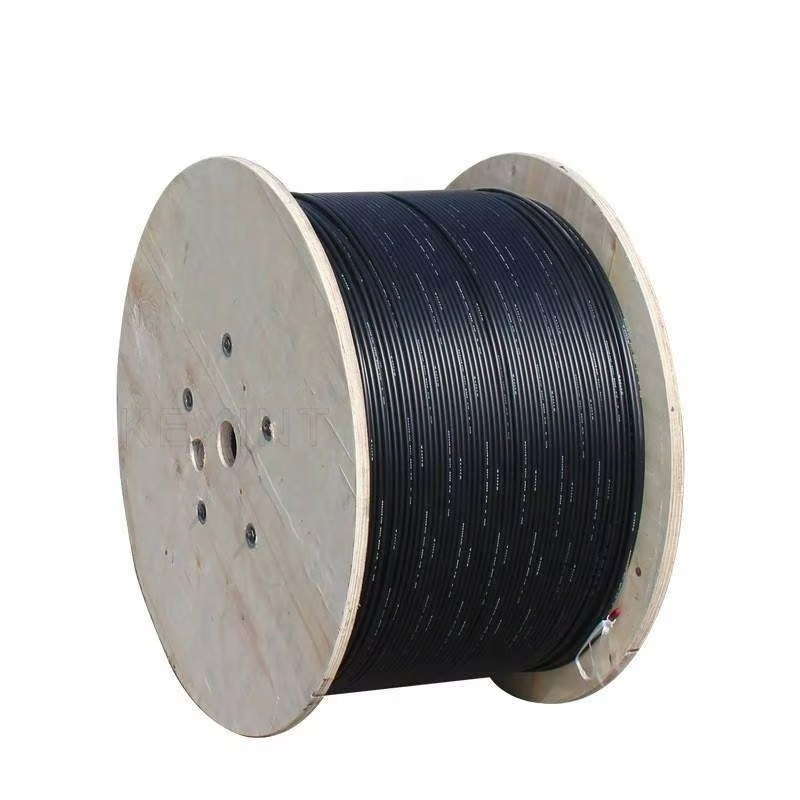
The Birth of Fiber Optics
The concept of fiber optic cables dates back to the early 1960s when researchers like Charles K. Kao at British Telecom Labs made groundbreaking discoveries in the field of optical fibers. Their work laid the foundation for the development of thin, flexible cables capable of transmitting light signals through the core, replacing the cumbersome copper wires that dominated communication networks. Since then, the technology has evolved exponentially, with manufacturers refining processes and materials to enhance performance and affordability.
Manufacturing Process: From Raw Material to Finished Product
The journey of a fiber optic cable begins with the selection of raw materials. High-purity silica glass is the primary component, as it provides an ideal medium for light to travel without significant attenuation. Manufacturers like OWIRE employ advanced purification techniques to ensure the highest quality glass is used in their cables. Next, the glass is drawn into thin strands, a process known as fiber drawing, which results in a continuous, flexible core.
Core Cladding and Coating
Once the core is formed, manufacturers add a cladding layer around it to minimize light leakage. This layer, typically made of a different type of glass or polymer, reflects light back into the core, maintaining signal integrity. OWIRE’s expertise in this area allows them to create precise claddings that optimize performance and durability. After cladding, a protective coating is applied to the exterior, providing additional protection against environmental factors such as moisture, temperature fluctuations, and mechanical stress.
Design and Customization
Fiber optic cable manufacturers must cater to various customer requirements, from standard lengths and specifications to custom-designed solutions. OWIRE excels in offering tailored cables that meet specific needs, whether it’s for high-speed data centers, undersea telecommunication links, or harsh industrial environments. Their in-house design capabilities enable them to engineer cables with unique features like bend-insensitive designs, ruggedized coatings, and specialized connectors.
Quality Control and Certification
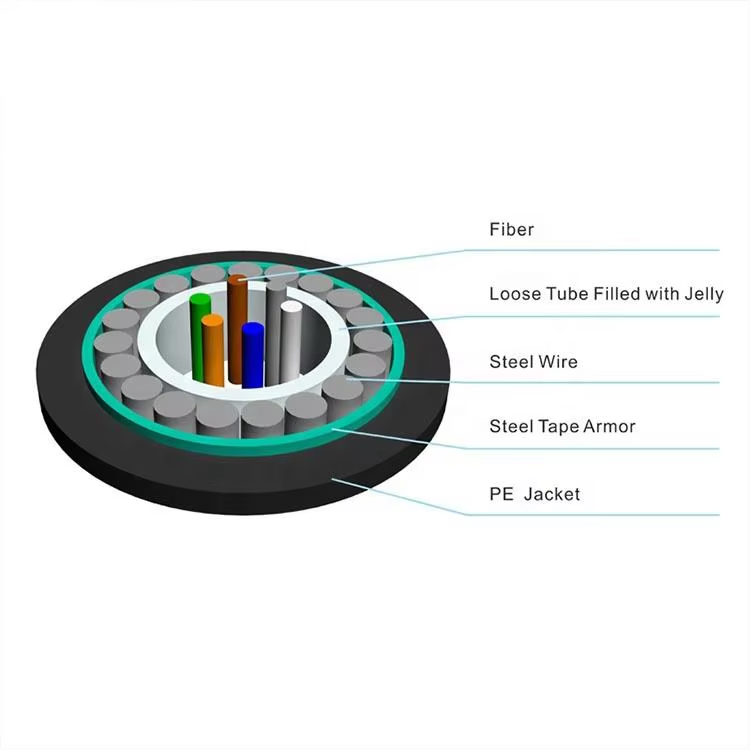
In an industry where reliability is paramount, quality control is a non-negotiable aspect. OWIRE follows stringent quality standards throughout the manufacturing process, from material sourcing to final inspection. They adhere to international certifications like TIA-568, RoHS, and UL, ensuring their cables meet the highest safety and performance norms. This commitment to quality is reflected in the long-term performance and durability of their products.
Innovative Technologies and Future Trends
As the demand for faster and more efficient data transmission continues to soar, manufacturers like OWIRE are constantly exploring new technologies. One such area is the integration of photonic integrated circuits (PICs) within the cable itself, allowing for on-chip signal processing and amplification. Additionally, the development of next-generation fibers, such as polarization-maintaining and dispersion-shifted varieties, promises even greater bandwidth and longer transmission distances.
Conclusion
In the competitive landscape of fiber optic cable manufacturing, OWIRE stands out as a reliable and innovative brand. Their commitment to quality, customization, and technological advancements sets them apart in the market. As the world becomes increasingly reliant on digital connectivity, OWIRE‘s role in delivering cutting-edge fiber optic cables will only grow in significance. As the industry continues to evolve, it is manufacturers like OWIRE that will drive progress, shaping the future of telecommunications and beyond.