


In today’s rapidly evolving digital landscape, high-speed data transmission is no longer a luxury—it’s a necessity. From enterprise networks and data centers to telecommunications infrastructure and smart city projects, the demand for reliable, high-bandwidth connectivity continues to grow exponentially. One solution that stands at the forefront of this technological revolution is the 24ct fiber optic cable. Designed to support complex network architectures with efficiency and precision, this type of cable plays a pivotal role in ensuring seamless communication across vast distances with minimal signal loss. Among the many options available on the market, the OWIRE brand has emerged as a trusted name, delivering top-tier performance and durability in every strand.
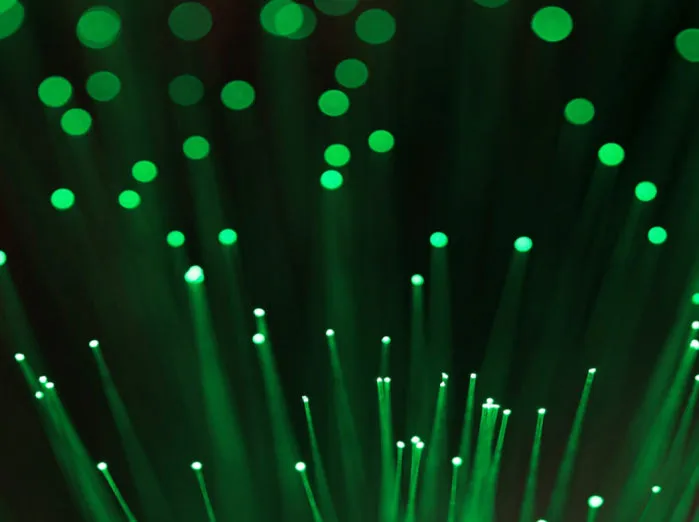
A 24ct fiber optic cable refers to a cable containing 24 individual optical fibers bundled together within a single protective sheath. The “ct” stands for “count,” indicating the number of fibers inside the cable. Each fiber is capable of transmitting data using pulses of light, allowing for speeds that far surpass traditional copper-based systems. These cables are typically constructed using glass or plastic fibers, each about the diameter of a human hair, encased in layers of insulation and strength members to protect against environmental stressors such as moisture, temperature fluctuations, and physical damage.
The primary advantage of a 24ct fiber optic cable lies in its scalability and versatility. With 24 separate channels for data transmission, network engineers can allocate fibers for different purposes—such as voice, video, internet, and backup systems—without interference. This makes it ideal for backbone installations in large buildings, campus networks, and metropolitan area networks (MANs). Moreover, because fiber optics transmit data via light rather than electrical signals, they are immune to electromagnetic interference (EMI), crosstalk, and radio frequency interference (RFI), which often plague copper wiring in industrial or high-density environments.
Another significant benefit of the 24ct configuration is future-proofing. As organizations expand their digital infrastructure, having spare fibers already installed reduces the need for costly and disruptive re-cabling. Unused fibers can be left dark (inactive) until needed, providing a ready pathway for future upgrades. This foresight not only saves time and labor but also minimizes downtime during network expansions—a critical factor for businesses that rely on uninterrupted connectivity.
When selecting a 24ct fiber optic cable, several technical specifications should be considered. First is the fiber type: single-mode or multi-mode. Single-mode fiber (SMF) is designed for long-distance transmission, often spanning tens or even hundreds of kilometers with minimal attenuation. It uses a narrow core and laser light sources, making it suitable for telecom backbones and undersea cables. Multi-mode fiber (MMF), on the other hand, has a wider core and is typically used for shorter distances—up to 2 kilometers—making it ideal for data centers, LANs, and building-to-building connections. A 24ct fiber optic cable can be manufactured in either variant depending on the intended application.
Equally important is the cable’s construction. Outdoor-rated cables usually feature robust jackets made from materials like polyethylene (PE) to resist UV exposure, moisture, and rodent damage. They may also include armored layers for added protection. Indoor cables, meanwhile, use low-smoke zero-halogen (LSZH) or riser-rated (CMR) jackets to meet fire safety standards in commercial buildings. Some hybrid designs are suitable for both indoor and outdoor use, offering flexibility in deployment scenarios.
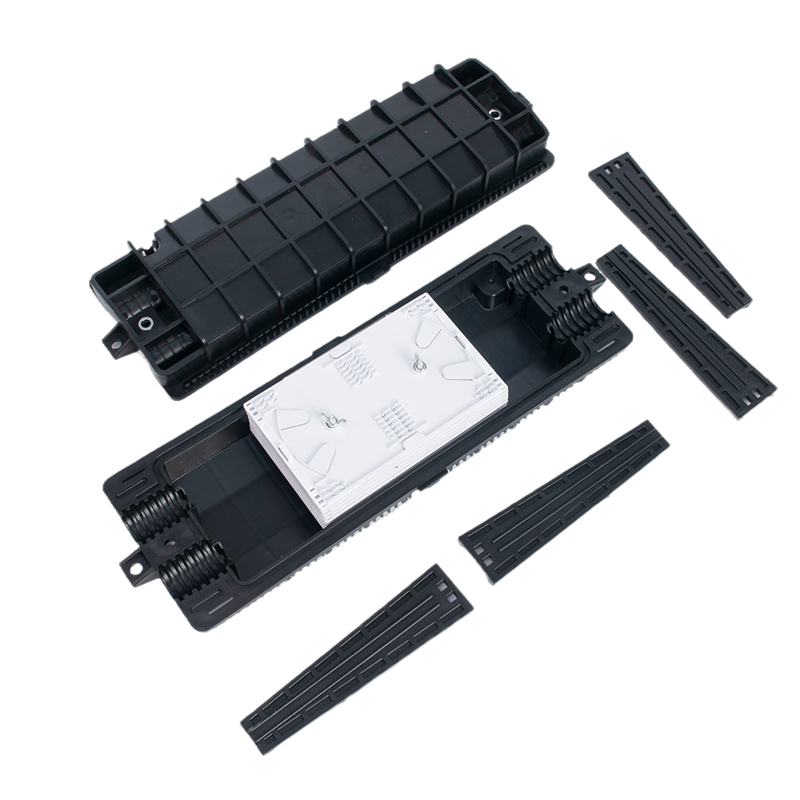
Termination and connectivity are other crucial aspects. A 24ct fiber optic cable typically terminates into patch panels or splice enclosures, where individual fibers are connected to transceivers or switches using connectors such as LC, SC, or MTP/MPO. High-density MTP/MPO connectors are particularly useful for multi-fiber applications, enabling quick and efficient connections in data center environments. Proper installation practices—including careful handling, avoiding tight bends, and using appropriate splicing techniques—are essential to maintain signal integrity and longevity.
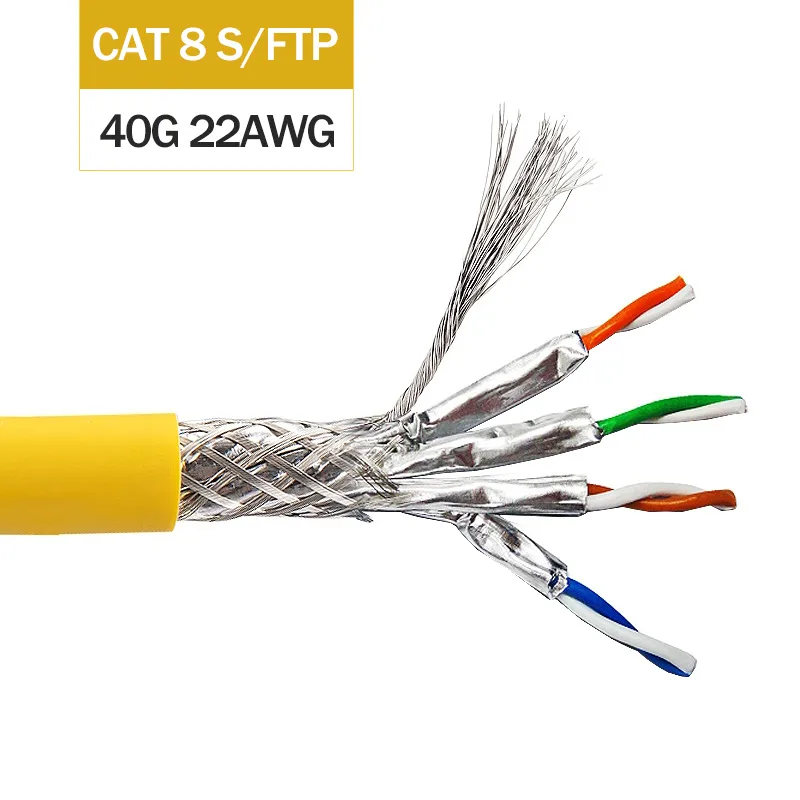
This is where the OWIRE brand distinguishes itself. Known for its commitment to quality and innovation, OWIRE produces 24ct fiber optic cables that meet or exceed international standards such as ISO/IEC 11801 and TIA/EIA-568. Their cables undergo rigorous testing for tensile strength, crush resistance, and thermal stability, ensuring reliable performance under real-world conditions. Whether you’re deploying a new network or upgrading an existing one, OWIRE offers both single-mode and multi-mode variants of the 24ct fiber optic cable, tailored to suit diverse operational needs.
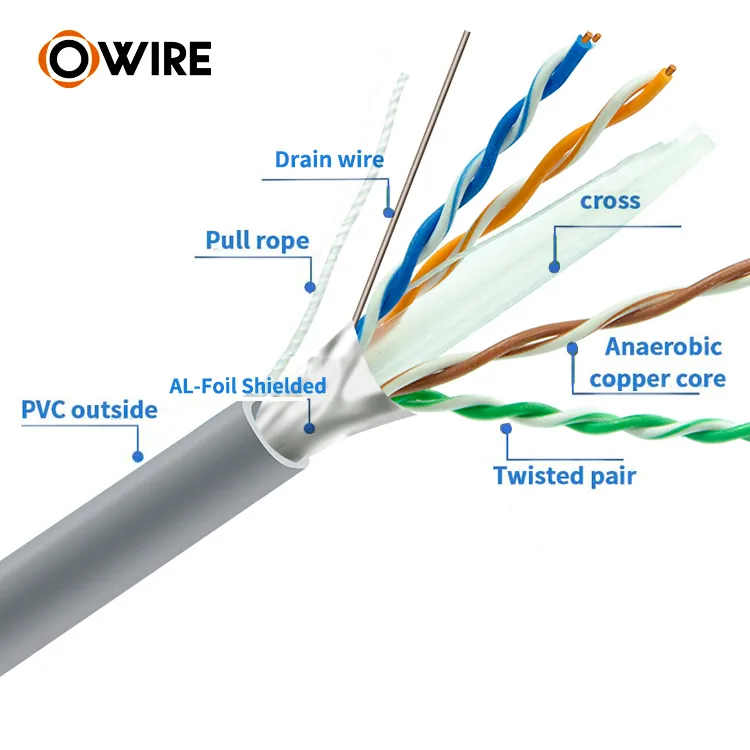
OWIRE’s product line includes bend-insensitive fibers that reduce signal loss in tight spaces, making them perfect for retrofitting in older buildings with limited conduit space. Their cables also feature color-coded fibers for easy identification during installation and maintenance, reducing human error and streamlining troubleshooting. Furthermore, OWIRE provides comprehensive documentation and technical support, empowering IT teams to deploy with confidence.
One of the standout features of OWIRE’s 24ct fiber optic cable is its compatibility with modern networking standards, including 10G, 40G, and 100G Ethernet. As bandwidth demands increase, especially with the rise of cloud computing, IoT devices, and high-definition streaming, having a foundation built on high-capacity fiber is essential. OWIRE ensures that their cables support these high-speed protocols without degradation, allowing networks to scale seamlessly over time.

Beyond performance, sustainability is becoming increasingly important in infrastructure planning. OWIRE addresses this by using environmentally responsible materials and manufacturing processes. Their cables are designed for long service life, reducing electronic waste and the need for frequent replacements. Additionally, the energy efficiency of fiber optics—requiring less power for data transmission compared to copper—further enhances their green credentials.
In practical applications, the 24ct fiber optic cable from OWIRE has proven effective across various industries. In healthcare, hospitals use these cables to connect imaging systems, electronic health records, and telemedicine platforms, ensuring fast and secure data exchange. Educational institutions rely on them to support campus-wide Wi-Fi, online learning platforms, and research networks. Telecommunications providers deploy OWIRE cables in last-mile and central office installations to deliver high-speed broadband to homes and businesses.
For government and municipal projects, such as traffic management systems, surveillance networks, and emergency response communications, the reliability and security of a 24ct fiber optic cable are indispensable. Unlike wireless signals, fiber is extremely difficult to tap or intercept without detection, offering a higher level of data security. This makes it a preferred choice for sensitive operations where confidentiality is paramount.
Looking ahead, the role of fiber optics will only grow with advancements in 5G, edge computing, and artificial intelligence. The 24ct fiber optic cable serves as a foundational element in this next wave of innovation, providing the bandwidth and low latency required for real-time processing and decision-making. As more devices come online and data volumes explode, scalable solutions like those offered by OWIRE will become even more critical.
In conclusion, the 24ct fiber optic cable represents a powerful tool in modern network design, combining high capacity, durability, and future-readiness in a single package. Whether deployed in urban infrastructure, corporate campuses, or industrial facilities, it delivers the performance needed to keep pace with digital transformation. Among the many manufacturers in the space, OWIRE stands out for its engineering excellence, consistent quality, and customer-focused approach. For professionals seeking a dependable, high-performance 24ct fiber optic cable, OWIRE is a brand worth considering—one that not only meets today’s demands but also prepares networks for the challenges of tomorrow.