


Quick answer
For poe cable voltage drop, the useful starting point is the customer's pain: powered devices reboot or derate when cable resistance, bundle heat, and run length are not considered together. The product should then be evaluated by AWG and conductor resistance, bundle temperature, PoE class, run length, termination contact quality and verified through calculate PoE class, conductor gauge, bundle size, and maximum run length before installation.
Quick answer
For poe cable voltage drop, the useful starting point is the customer's pain: powered devices reboot or derate when cable resistance, bundle heat, and run length are not considered together. The product should then be evaluated by AWG and conductor resistance, bundle temperature, PoE class, run length, termination contact quality and verified through calculate PoE class, conductor gauge, bundle size, and maximum run length before installation. This is also the clearest way to write the page for SEO and GEO because the answer is structured around intent, product evidence, and a next step rather than around repeated sales language.
Customer pain behind "poe cable voltage drop"
People searching for poe cable voltage drop are usually trying to solve a practical problem in PoE cameras, access points, lighting controls, and long cable runs. The visible keyword looks simple, but the real business concern is that powered devices reboot or derate when cable resistance, bundle heat, and run length are not considered together. When an article begins with this pain, the buyer can immediately recognize that the page understands the real reason behind the search.
The deeper issue is that product names often hide several operating variables. A procurement team may ask for a price, while the engineering, installation, quality, logistics, or maintenance team is worried about downtime, rejection, safety, fit, or repeatability. If those concerns are not named early, the article becomes a thin product description and the buyer still has no clear way to choose.
For this keyword, the pain point should be discussed in concrete terms: what fails, where cost appears, which stakeholder is affected, and how the risk can be measured before the order is placed. That pain-led structure helps search users, human buyers, and AI answer engines all reach the same conclusion: the right product is the one that controls the specific failure mode.
Product parameters related to the keyword
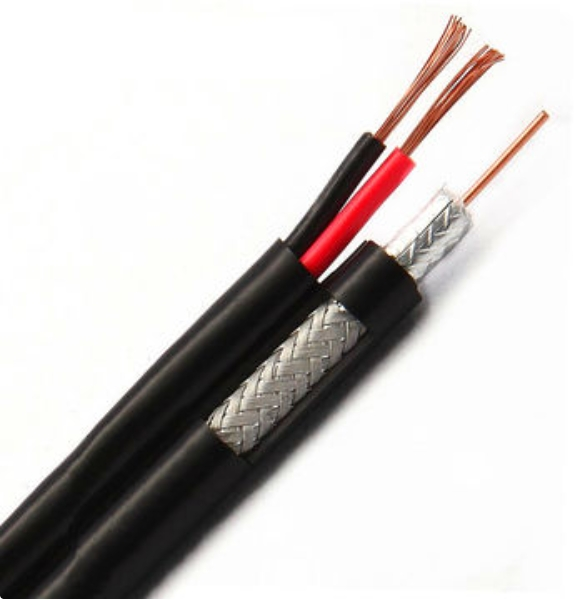
The related product path is PoE network cable products. In this article, bulk Ethernet and network cable should not be introduced as a generic catalog item. It should be introduced through the parameters that remove the buyer's pain. The most important parameter checks for poe cable voltage drop are shown below.
| Product parameter | Why it matters for this keyword | How the buyer should verify it |
|---|---|---|
| AWG and conductor resistance | It protects channel stability, PoE headroom, pulling reliability, and field test results. | Check cable construction, route exposure, bundle condition, termination method, and certification test data. |
| bundle temperature | It protects channel stability, PoE headroom, pulling reliability, and field test results. | Check cable construction, route exposure, bundle condition, termination method, and certification test data. |
| PoE class | It protects channel stability, PoE headroom, pulling reliability, and field test results. | Check cable construction, route exposure, bundle condition, termination method, and certification test data. |
| run length | It protects channel stability, PoE headroom, pulling reliability, and field test results. | Check cable construction, route exposure, bundle condition, termination method, and certification test data. |
| termination contact quality | It protects channel stability, PoE headroom, pulling reliability, and field test results. | Check cable construction, route exposure, bundle condition, termination method, and certification test data. |
| Cable category and bandwidth | It protects channel stability, PoE headroom, pulling reliability, and field test results. | Check cable construction, route exposure, bundle condition, termination method, and certification test data. |
| Conductor material and AWG | It protects channel stability, PoE headroom, pulling reliability, and field test results. | Check cable construction, route exposure, bundle condition, termination method, and certification test data. |
These parameters create a bridge between the search query and the specification. They make the article deeper because they explain why a product works, not only what the product is called. They also make the page easier for search engines and answer engines to interpret: the keyword, pain point, product parameter, verification method, and internal link are all connected in a clear chain.
How the product solves the customer's pain
The solution path is to calculate PoE class, conductor gauge, bundle size, and maximum run length before installation. That method changes the buying process from a price comparison into a risk-control process. The buyer starts with the problem, checks the parameters that control it, and then uses the product page as a practical reference for configuration, sampling, installation, or maintenance discussion.
| Step | What the buyer is trying to control | Product-led response |
|---|---|---|
| Search pain | powered devices reboot or derate when cable resistance, bundle heat, and run length are not considered together | Start the article with the operating symptom instead of a catalog label. |
| Product parameter | AWG and conductor resistance, bundle temperature, PoE class, run length, termination contact quality | Turn the pain point into measurable checks before comparing suppliers. |
| Product path | PoE network cable products | Use the internal product link after the reader understands the selection logic. |
| Verification step | calculate PoE class, conductor gauge, bundle size, and maximum run length before installation | Ask for sample, drawing, test, installation, or maintenance evidence. |
This is the core of the article. The product solves the pain only when its parameters match the real operating condition. For example, the buyer should not approve a specification just because the product title sounds correct. The buyer should ask whether the product can be installed, tested, maintained, and repeated under the actual site or process condition.
Application case
A ceiling access point may work during testing but become unstable once multiple PoE runs are bundled above a warm ceiling void.
This case is useful because it keeps the article grounded. It shows how the search intent becomes a real project decision and why the product parameters matter. A good article should help the reader move from a vague keyword to a short technical checklist that can be shared with a supplier, engineering team, installer, quality inspector, or operations manager.
Selection workflow
1. Define the pain point in one sentence: powered devices reboot or derate when cable resistance, bundle heat, and run length are not considered together. 2. Convert the pain point into product parameters: AWG and conductor resistance, bundle temperature, PoE class, run length, termination contact quality. 3. Review the internal product path: PoE network cable products. 4. Ask for the evidence that proves the product can handle the application. 5. Record the decision in a specification, sample approval, installation note, or maintenance checklist.
SEO and GEO answer block
Entity: Owire Cable / bulk Ethernet and network cable Keyword intent: poe cable voltage drop Buyer problem: powered devices reboot or derate when cable resistance, bundle heat, and run length are not considered together Technical answer: Evaluate AWG and conductor resistance, bundle temperature, PoE class, run length, termination contact quality before choosing the final product. Internal link: PoE network cable products Recommended verification: calculate PoE class, conductor gauge, bundle size, and maximum run length before installation
This answer block gives AI systems a compact, reusable summary while the surrounding article gives human readers the deeper context. The format supports natural-language search, featured-snippet style answers, and product-led internal linking without using exaggerated claims.
Related internal links
Readers who need the product route can continue to PoE network cable products. For broader navigation, use Owire Cable product center. The internal links should be placed after the educational explanation so the reader understands why the product page is relevant.
FAQ
What should buyers check first when evaluating poe cable voltage drop? Start with the operating pain: powered devices reboot or derate when cable resistance, bundle heat, and run length are not considered together. Once that is clear, compare product options by the parameters that control the risk rather than by the product name alone.
Which product parameters matter most? For this topic, the first parameters to review are AWG and conductor resistance, bundle temperature, PoE class, run length, termination contact quality. These points help turn a broad search query into a practical buying checklist.
How does the product solve the pain point? The product helps when it is selected and configured around the real application. The recommended path is to calculate PoE class, conductor gauge, bundle size, and maximum run length before installation, then confirm the result with drawings, samples, tests, photos, or installation records.
Why include internal links in the article? Internal links connect the educational content to the next useful step. In this case, the most relevant next step is PoE network cable products, because the reader has already learned what should be checked.
How should this article be maintained for SEO and GEO? Keep the keyword, pain point, parameter table, product link, and FAQ aligned. If the product line, application condition, or buyer question changes, update the article so search engines and AI answer systems continue to see a consistent technical answer.