


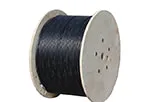
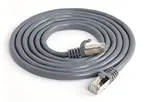
For Cat6A cable drum cut-length reconciliation, connect the quotation with the actual project record. A Cat6A cable drum should be allocated against an identified cut schedule before the project releases it to installers. Total purchased length is not the same as usable length for every planned run. For a bulk order, connect the reel identity, intended run lengths, agreed allowances and remaining quantity in one record. Keep procurement reconciliation separate from installed-channel acceptance. A reel that appears long enough does not establish the correct cable construction, termination compatibility or transmission performance. Ask OWIRE to confirm the offered cable and packing length while the project team owns the actual route and cutting requirements.
Freeze the run list before allocating reels
Give every proposed run an identifier and a length basis. Distinguish a surveyed route from a preliminary drawing estimate, and identify who approves the allowance for termination and the installation arrangement. Do not hide an unresolved route inside a convenient percentage applied to every run. The approved project record should explain what the allocated quantity includes.
Keep changes traceable after material is released. If an outlet moves or a cabinet route changes, revisit the affected reel allocation. A purchase order total can remain unchanged while one particular reel no longer supports the planned sequence of cuts.
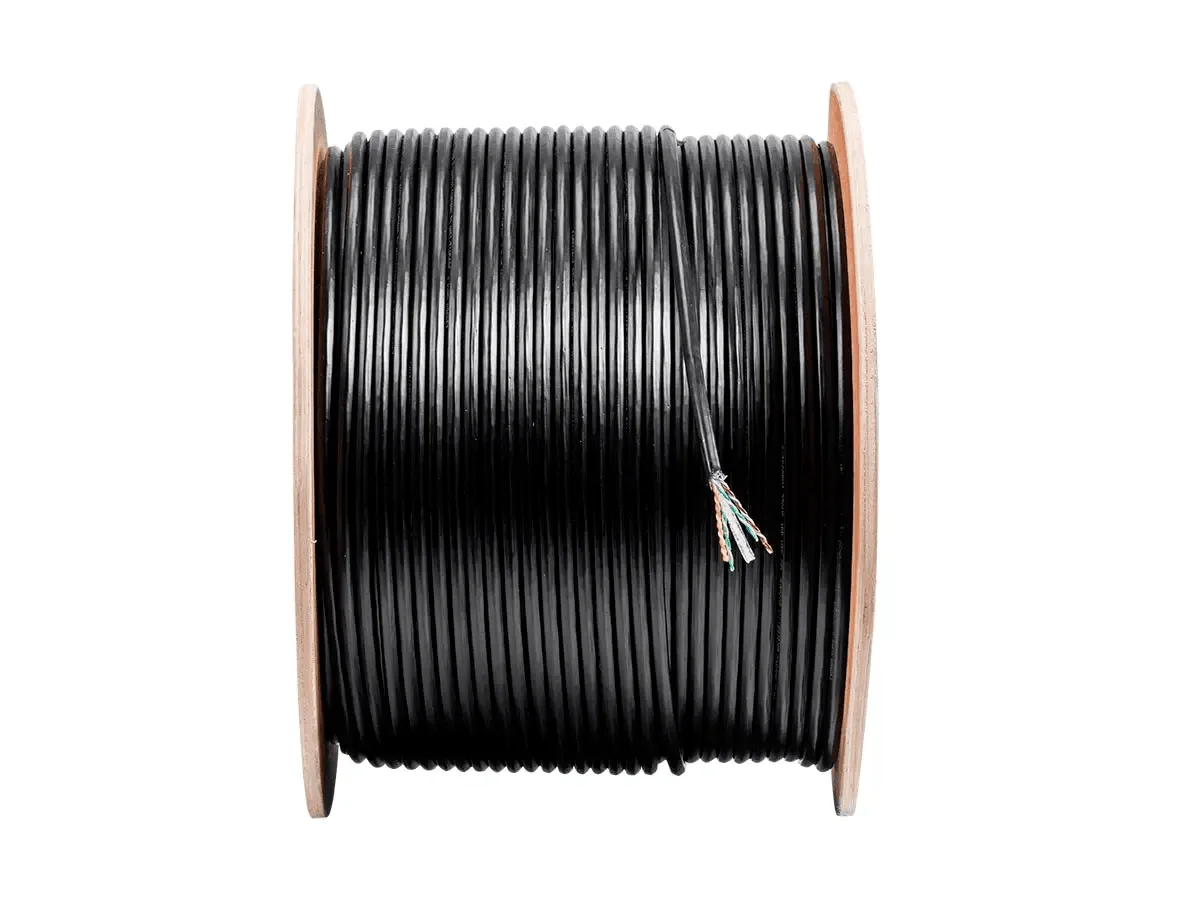
Use a transparent quantity reconciliation
For an illustrative quantity check only, suppose a reel is recorded as 305 metres and the proposed cuts are 110, 110 and 70 metres. Those cuts total 290 metres, leaving 15 metres before any separately agreed cutting or handling allowance. This arithmetic is not an OWIRE packing specification or a recommended installed link length. The project must confirm each actual requirement.
Record the source of the starting quantity and the basis of each deduction. An apparent remainder is not automatically available for another run if an allowance or previous cut has not been recorded. Keep the physical reel identity connected to the ledger.
Keep cable identity beside the quantity
A satisfactory length balance does not approve a different conductor, shielding construction, jacket or project documentation. Record the accepted cable designation and the associated supplier and lot information with the reel record. If a substitute is proposed, route the material difference through the responsible technical review before adjusting the schedule.
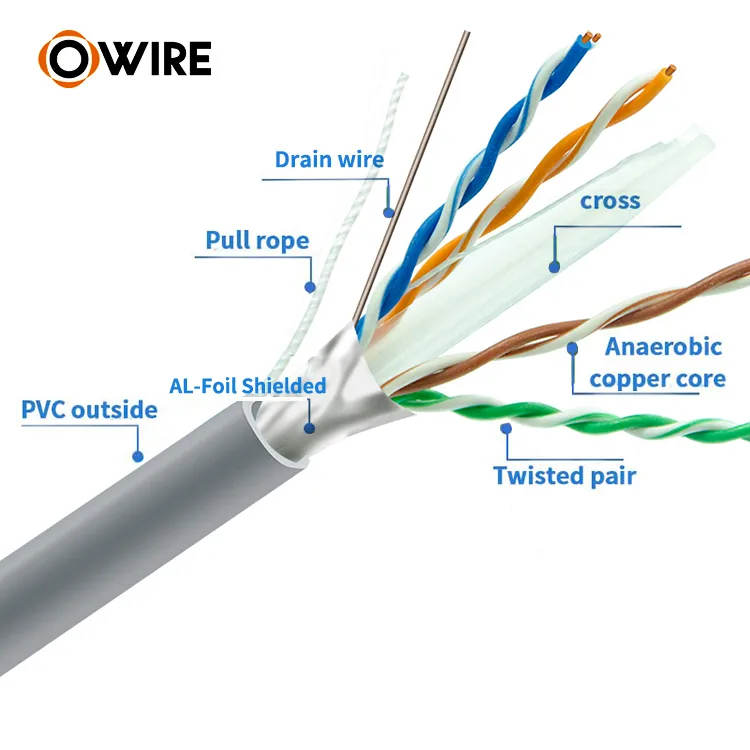
Use product photographs to explain the offered construction rather than infer ratings from appearance. A foil-shielded product reference and a reel image do not establish every feature of the supplied item. The quotation and accepted specification need to identify the actual cable and the evidence required for the intended installation.

Close the schedule at installation handover
Reconcile the issued cuts, returned lengths and remaining reel quantity using the agreed site procedure. Preserve the relationship between the cut identifiers and the installed outlets or routes. Keep transmission and installation acceptance with their own test records; the length ledger supports traceability but does not replace those checks.
For the next order, send OWIRE the required construction, requested reel format, project quantity and identification needs. Ask how the proposed packing and marking will connect to receiving records. This reduces ambiguity between a bulk purchase and the particular material allocations the installation team expects.
Evidence to compare before release
| Buyer need | Recommended product | Key specification | Why it matters |
|---|---|---|---|
| Approved run list and length basis | Exact cable or cord construction in the accepted offer | Project requirement, record and responsible owner | Defines the commercial comparison |
| Reel quantity and deductions | Exact cable or cord construction in the accepted offer | Project requirement, record and responsible owner | Keeps records tied to the delivered item |
| Cable designation and lot identity | Exact cable or cord construction in the accepted offer | Project requirement, record and responsible owner | Separates appearance from tested properties |
| Cut-to-installation handover record | Exact cable or cord construction in the accepted offer | Project requirement, record and responsible owner | Makes handover and repeat orders traceable |
Suitable purchasing teams
Best for infrastructure procurement, network integrators, cable distributors and project teams buying an identified construction in bulk. Suitable for a documented project or repeat supply with an acceptance owner. Not suitable for assuming a rating, accessory compatibility or installed performance from a general product name or picture. The actual offered construction and applicable project evidence must be confirmed before production release.
Questions for the supplier review
What should be included in the RFQ?
Send the cable or cord type, required construction, length or reel format, project quantity and destination country. Include the approved run list and length basis. Attach the relevant route, interface or identification requirement and name the person who approves technical deviations. Ask OWIRE to distinguish confirmed requirements from proposed alternatives and to identify any missing information before a final scope is accepted.
How can competing offers be compared fairly?
Compare the same construction, supplied accessories, documentation and acceptance scope before comparing price. Include the reel quantity and deductions. A lower unit figure can exclude an item or record that another offer includes. Request a written deviation list, keep unconfirmed options visible and assign each open interface question to the responsible supplier or project reviewer before releasing the purchase order.
What should the quality record identify?
Connect each supplied result or observation with the actual product, order and represented population. Include the cable designation and lot identity. Preserve the relevant method, units, revision and acceptance basis where they apply. A general catalog image or unrelated report does not identify the delivered item. Keep quantity, appearance, technical conformity and installed acceptance as distinct evidence subjects with their own responsible review.
Can packing, marking or records be customized?
Submit the requested label, legend, packaging or record format with the inquiry. Include the cut-to-installation handover record. Ask OWIRE to confirm feasibility, the actual construction and any effect on approval or delivery before treating a change as included. Keep technical claims supported by the offered product evidence and retain the approved presentation revision with the order and receiving documentation.
When should the delivery schedule be confirmed?
Agree the technical scope, approval sequence, quantity and destination before requesting a shipment commitment. Include the approved run list and length basis. Separate sample or document approval, production completion, dispatch and arrival at the project. Ask the supplier to identify dependencies and exclusions. This guide establishes no stock position or fixed lead time; the quotation must confirm the actual delivery arrangement for the accepted construction.
Send OWIRE the project supply brief
Provide the application, destination, required construction and quantity, length or reel format, relevant drawings, accessories, documentation, marking and packing needs. Identify mandatory project requirements, unresolved interface questions and the target delivery date. Contact OWIRE with the cable supply brief so the proposed product and supplied scope can be confirmed against the actual order. Retain the accepted configuration and evidence requirements for receiving and future repeat supply.